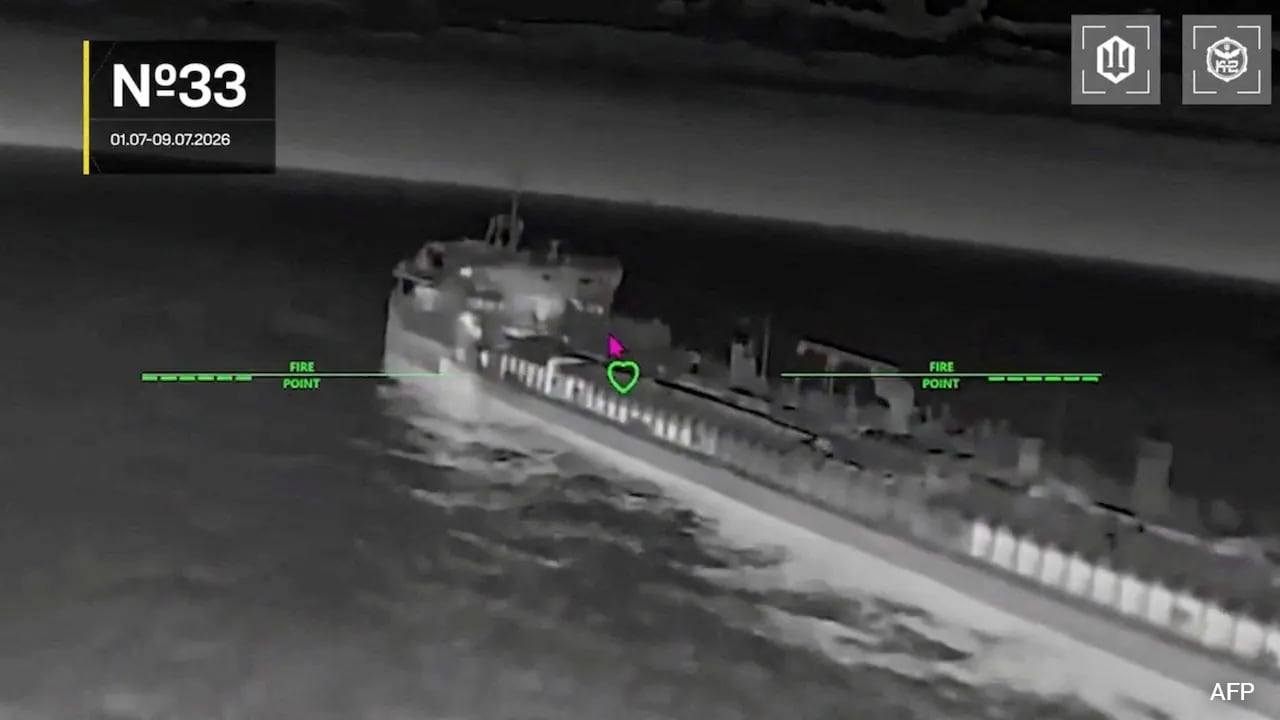
Ukraine just took a massive step toward institutionalizing its deep-strike drone campaign inside Russian territory. President Volodymyr Zelensky signed a decree establishing the Long-Range Global Impact Command. It's a new branch within the Ukrainian Armed Forces designed to centralize and scale up aerial and maritime operations thousands of kilometers away from the frontlines.
If you've been tracking the conflict, you know Kyiv's makeshift cruise missiles and home-grown long-range drones have already caused major headaches for Moscow. But this structural shift means the era of ad-hoc, decentralized deep strikes is over. Ukraine is building a permanent, specialized bureaucracy to systematically dismantle Russia's war economy.
Here is what's actually happening behind the headlines and why this matters for the trajectory of the war.
Turning the Screws on the Russian Budget
For over four years, Ukraine has had to fight an asymmetric war, facing down a larger neighbor while dealing with severe constraints on Western-supplied weaponry. The U.S. and European allies have long restricted Ukraine from using weapons like ATACMS or Storm Shadow missiles deep inside Russia.
Kyiv's workaround? Build their own. They ramped up production of long-range attack drones like the FP-1 Firepoint and the RS-1 Bars.
The results speak for themselves. According to industry tracking and data from Rochan Consulting, Ukrainian deep strikes have hit Russian refineries, storage facilities, and terminals hard. Domestic gasoline output in Russia has reportedly plummeted to roughly 65% of its total capacity. Moscow even had to ban diesel exports to keep its own domestic market from collapsing, especially in occupied regions like Crimea where fuel crises have dragged on for weeks.
By creating the Long-Range Global Impact Command, Zelensky is consolidating these isolated success stories. The goal is to focus 100% of available deep-strike resources into a single, cohesive entity. It's an effort to squeeze the primary contributor to Russia's state budget—its energy sector.
Paralyzing Russian Logistics and Logistics Channels
The new command isn't just looking at land-based oil infrastructure. The scope includes maritime choke points that Russia relies on to export commodities and supply its troops.
Just hours before the command's formal announcement, Ukrainian forces executed a massive strike against Russian seaborne infrastructure. Major Robert "Magyar" Brovdi, commander of Ukraine's drone forces, reported that strikes in the Sea of Azov damaged 10 tankers, part of a wider push that hit nearly 50 fuel and cargo vessels over a five-day stretch.
This pressure forced Russia to temporarily suspend shipping through a crucial channel linking the Don River to the Sea of Azov. For a country heavily dependent on these waterways, the economic pain is immediate. Maritime experts estimate this specific disruption could freeze nearly a quarter of Russian wheat exports from the region.
The strategy here is interdiction. Ukraine knows it can't match Russia tank-for-tank on the eastern frontlines. Instead, the focus is on making Russia's frontlines untenable by cutting off the fuel, ammunition, and cash required to sustain them.
The Push for Peace Through Friction
Zelensky has been open about the psychological goals of this campaign. For years, the Kremlin maintained a carefully crafted illusion that the war was a distant problem that wouldn't affect daily life in Moscow or St. Petersburg. The daily rhythm of drone strikes has shattered that. Now, Russian military bloggers start their mornings by posting footage of burning energy plants in regions like Krasnodar, Rostov, and Leningrad.
Kyiv is using these strikes as leverage. The logic is simple: make the economic and domestic political cost of continuing the war higher than the cost of negotiating. Zelensky noted that his administration's peace proposals are finding quiet support even among some within Putin's broader circle, as the reality of economic isolation and infrastructural damage sinks in.
However, we shouldn't read this as an immediate turning point in the war. Russia still maintains a devastating advantage in ballistic and hypersonic missiles, which it routinely rains down on Ukrainian cities and power grids. Ukraine remains critically short on air defenses, meaning its own rear areas remain highly exposed.
What Happens Next
If you are tracking how this strategic shift plays out, watch these key indicators over the coming weeks:
- Refinery Restart Times: Watch how quickly Russia can source Western spare parts to repair the complex distillation columns damaged in recent refinery strikes. If repairs stall, Russian domestic fuel shortages will worsen.
- Air Defense Redistribution: Look for signs that Russia is pulling advanced S-400 or Pantsir air defense systems away from the frontlines to protect factories and oil terminals deep inside its own borders.
- The Command Structure: Track how quickly the new command integrates with Ukraine's existing Unmanned Systems Forces to see if the bureaucratic transition slows down the operational tempo or accelerates it.