Vladimir Putin wants regular Russians to believe his war is a distant, abstract event happening somewhere down south. A massive swarm of Ukrainian drones just completely shattered that illusion in his own hometown.
Overnight, the Ukrainian military launched a heavy, coordinated long-range drone strike targeting the St Petersburg Oil Terminal and a nearby naval base in Kronstadt. St Petersburg Governor Alexander Beglov tried to downplay the chaos, claiming air defenses shot down 72 drones and that everything was under control. But the videos leaking out tell a completely different story. Thick plumes of black smoke and bright orange flames lit up the Kirovsky district, proof that Ukraine's "long-range sanctions" are cutting right through Russia's air defense umbrella. If you found value in this article, you might want to read: this related article.
This isn't a random hit. It's a calculated, strategic strangulation of the economic engine funding the Kremlin's war machine.
The Real Reason Kyiv Is Targeting The Baltic Coast
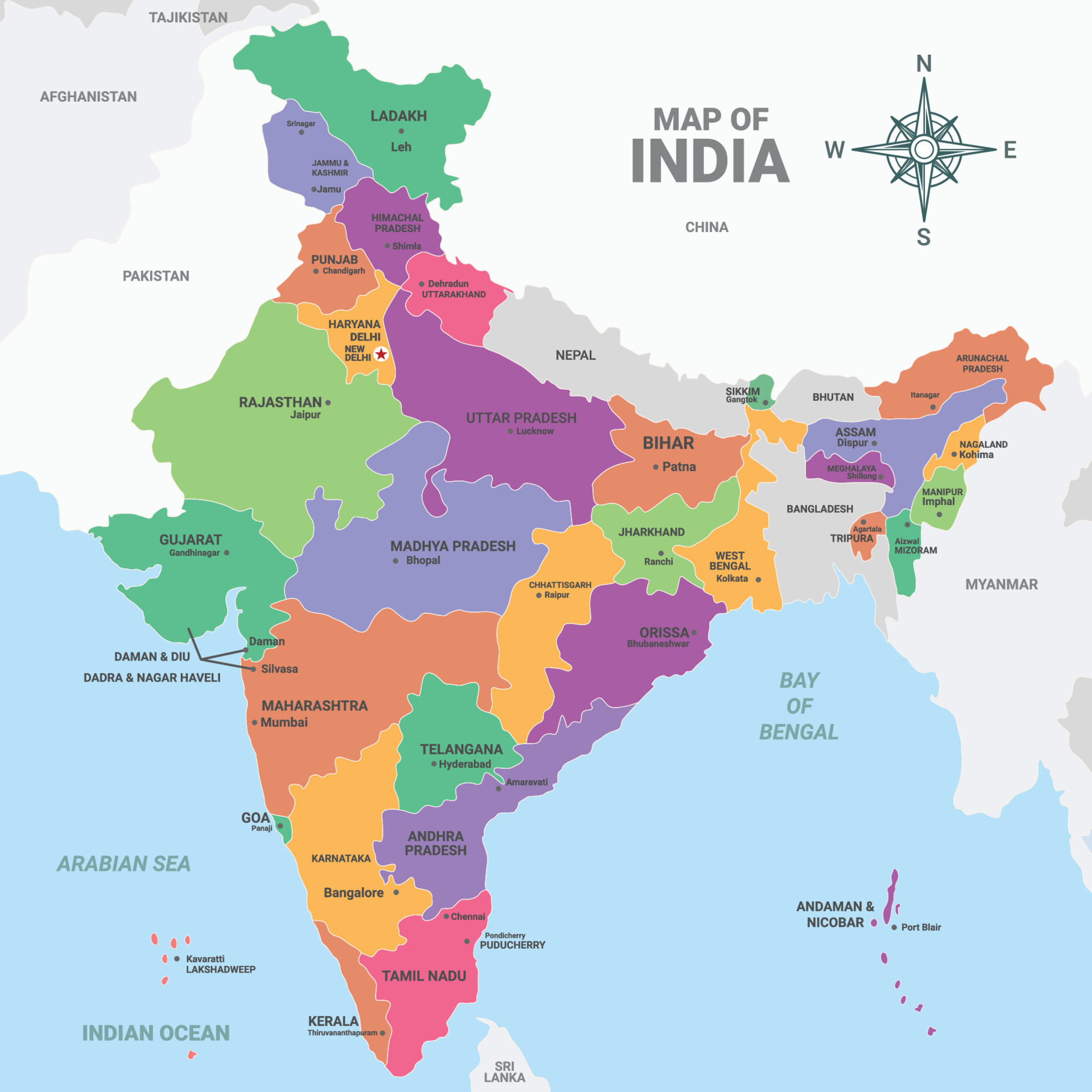
Look at a map and you'll realize how insane this strike actually is. St Petersburg sits roughly 850 kilometers—more than 500 miles—from the Ukrainian border. Flying dozens of attack drones through hundreds of miles of heavily contested airspace to hit a precise industrial target requires serious technological sophistication. For another angle on this story, check out the latest update from NBC News.
Ukraine isn't doing this just to make headlines. They're doing it because they have to change the math of this war. The St Petersburg Oil Terminal is one of Russia's most critical maritime hubs, capable of moving 12.5 million tons of fuel products every single year. It directly feeds tanker shipments heading to Africa and the Middle East, converting Russian crude into the cold, hard cash Putin needs to buy artillery shells and pay his soldiers.
If you can't convince countries like India or China to stop buying Russian oil, your only move left is to break the infrastructure that processes and ships it. Kyiv claims that nearly 43% of Russia's total oil refining capacity has been hobbled by these relentless infrastructure strikes. While that exact number is tough to verify independently, the secondary effects don't lie. Putin recently admitted that the country is facing genuine domestic fuel shortages, even signing a new law to artificially boost domestic supplies.
The War Comes Home For Millions Of Russians
For years, people living in major Russian hubs like Moscow and St Petersburg could comfortably ignore the destruction being unleashed on Ukrainian cities. That luxury is officially gone.
The political pressure on the Kremlin is mounting fast. In places like the annexed Crimean peninsula, local authorities have already had to suspend gasoline sales to civilians due to supply crunches from previous strikes. Now, the Leningrad region is feeling the squeeze. Beyond the economic hit, these strikes create a massive tactical headache for Russian military planners.
Every time a drone punches a hole in a Baltic terminal, the Russian General Staff faces a brutal choice. Do they keep their limited S-300 and S-400 air defense systems on the frontlines to protect their advancing troops, or do they pull them back to guard refineries and oligarch-owned infrastructure deep inside the homeland? Ukraine's smart, asymmetric warfare forces Russia to defend everything, everywhere, all at once.
The Frontline Disinformation War
Naturally, the Kremlin tried to redirect the narrative immediately after the St Petersburg attack. Russian state media suddenly blasted claims that their forces had taken total control of Kostyantynivka, a strategically important transport hub in Ukraine's Donetsk region. Putin even wore military fatigues on television to boast about the supposed victory.
Ukrainian President Volodymyr Zelenskyy called the claim an outright lie. He pointed out that if Russia actually controlled the city, Putin shouldn't have any issue meeting him there face-to-face to talk terms. The truth on the ground is that small Russian infantry groups have tried to infiltrate the outskirts, but Ukrainian forces are still holding the line. Moscow's sudden media blitz about Kostyantynivka was a textbook distraction technique, meant to bury the embarrassing footage of a burning oil terminal in Putin's favorite city.
What Happens Next
Expect Ukraine to aggressively double down on this strategy. Their domestic drone industry is churning out long-range weapons at a pace nobody predicted a couple of years ago. They know they can't match Russia tank-for-tank in a traditional war of attrition, so they're going to keep cutting the financial arteries.
If you want to track where this conflict goes next, stop looking exclusively at the trenches in the Donbas. Watch the skies over Russia's energy ports. If you see smoke rising over places like Ust-Luga, Novorossiysk, or St Petersburg, you'll know Ukraine's strategy is working exactly as intended.