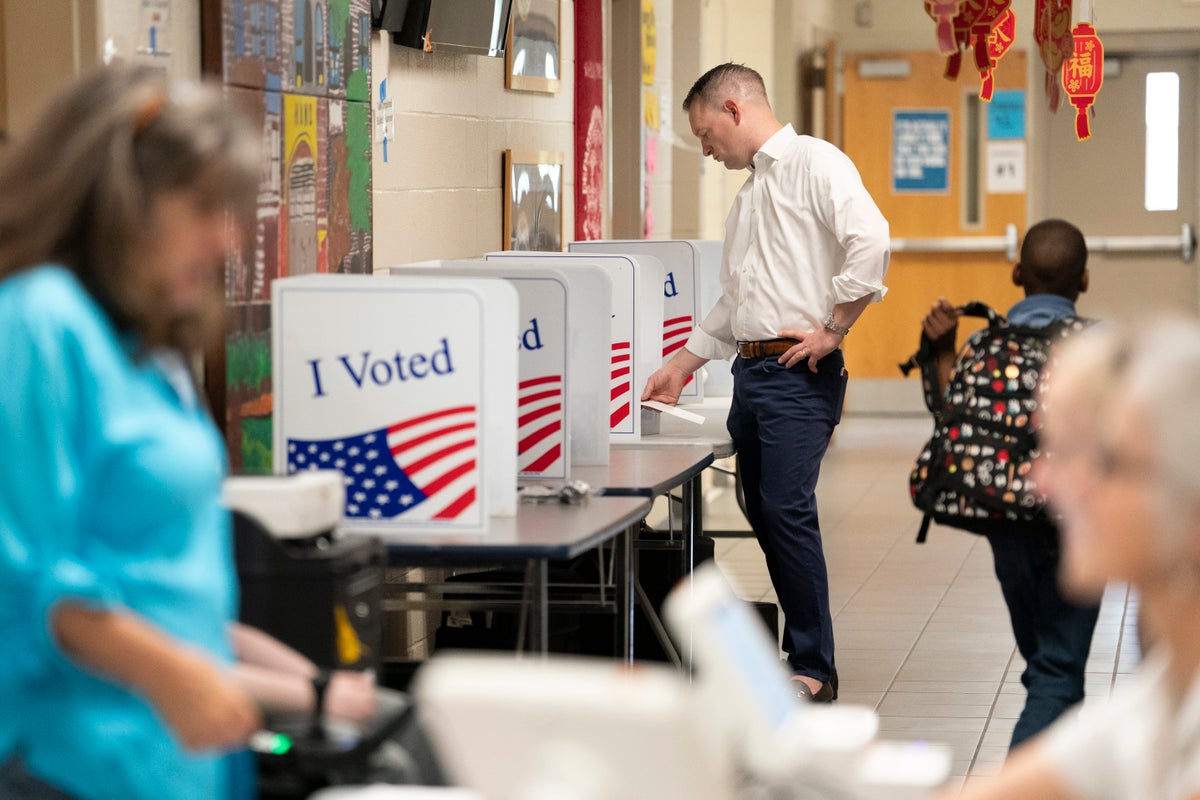
The white house is playing a dangerous game of chicken with local governments. In its latest push to overhaul how Americans vote, the Trump administration wants to choke off millions of dollars in Department of Homeland Security grants. The target? States that refuse to adopt hardline election changes like mandatory photo ID or strict proof-of-citizenship laws.
It is a bold political play. It is also an administrative mess that will likely crash directly into federal law.
When you strip away the partisan talking points, this fight isn't just about ballot boxes. It's about federal power and whether a president can grab pots of money authorized by Congress and use them as a financial cudgel.
The Strings Attached to National Security Money
Washington loves using money to get its way. For decades, the federal government has tacked conditions onto funding to make states fall in line. Think about the national drinking age. Congress told states they would lose a chunk of their federal highway money if they didn't raise the limit to 21. It worked.
But there is a massive difference between what Congress does and what an administration can do on its own.
The White House wants to hold back critical state grants managed by the Federal Emergency Management Agency and other branches of Homeland Security. This money keeps ports secure, funds disaster response, and helps local police buy communication gear. Under the new proposal, if a state does not reshape its voting rules to align with federal demands, those checks stop coming.
This isn't a minor policy shift. It's an aggressive expansion of executive control.
Why the Courts Will Likely Kill This Plan
The administration is running headfirst into a legal brick wall known as the spending clause. The Supreme Court has laid down incredibly clear rules about how the federal government can condition money.
First, any conditions must be unambiguous. States need to know what they are signing up for when they accept federal cash. You cannot change the terms of the deal after the money is already appropriated.
Second, and most importantly, the conditions must relate to the purpose of the funding. This is called the germane rule.
Look at the logic here. What does a port security grant or an emergency evacuation plan have to do with whether a county uses paper ballots? Absolutely nothing.
The Supreme Court dealt with this exact issue during the fight over sanctuary cities. The federal government tried to withhold law enforcement grants from cities that refused to cooperate with immigration agents. The courts stepped in and said the executive branch could not invent brand-new rules for spending that Congress had already approved for general safety.
Tying election procedures to national security grants stretches that legal elastic until it snaps.
The High Cost of the Funding Standoff
Local officials are already ringing alarm bells. This plan does not just hurt political opponents in blue states. It threatens emergency readiness across the country.
If these funds get blocked, local emergency management teams bear the brunt. They lose the ability to upgrade radios, train first responders, and secure physical infrastructure.
Estimated Impact of Withholding Key State Security Grants:
- Local Port & Transit Security: Up to 25% reduction in modern surveillance upgrades.
- First Responder Communication: Delayed transition to inter-operable radio networks.
- Disaster Mitigation Preparedness: Reductions in community emergency planning funds.
State election systems are historically run by the states themselves, a right explicitly protected by the Constitution. Turning homeland protection into a bargaining chip sets a terrifying precedent. If an administration can use security money to force state voting laws today, it can use healthcare or education funds to force something else tomorrow.
The Strategy Going Forward for Local Leaders
If you are a state or local official caught in the crosshairs of this funding fight, waiting for the political dust to settle is a losing strategy. Governors and state attorneys general need to take concrete steps immediately to insulate their budgets and protect their infrastructure.
First, conduct a comprehensive audit of all federal security grants flowing into your state. Identify exactly which programs rely on Homeland Security cash and isolate the ones tied to discretionary executive approval versus those locked in by statutory formulas. Knowing your exact financial exposure prevents panic when funding threats escalate.
Second, prepare immediate legal injunctions. State attorneys general must have draft complaints ready to file the moment the administration attempts to pause or claw back a single dollar. Relying on established precedent regarding executive overreach is your strongest shield.
Third, explore regional mutual aid agreements. If federal funding for emergency communication or disaster response stalls, states must lean on neighboring jurisdictions to share resources and fill critical gaps. Security cannot depend on a political loyalty test.
Republicans and Democrats still at odds over Homeland Security bill provides critical insight into the larger legislative gridlock currently paralyzing federal security funding over these exact policy fights.