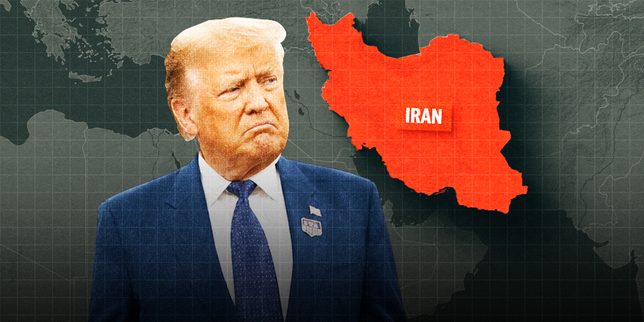
Donald Trump thought he could break Iran with a checkbook and a big stick. He was wrong. The sudden signing of a memorandum of understanding in Paris has exposed a glaring reality. Washington's coercive economic strategy didn't force a better deal. It sparked a dangerous military conflict that the White House couldn't finish, ending in what many critics call a stunning diplomatic retreat.
For years, the goal was simple. Squeeze Iran's economy until the regime collapsed or crawled to the negotiating table. The United States slashed Iranian oil exports to near zero, froze billions in foreign banks, and cut off vital banking access. Yet, in June 2026, we see American diplomats sitting across from Iranian officials in Lucerne, Switzerland, frantically trying to patch together a ceasefire. Don't forget to check out our recent post on this related article.
The strategy backfired. Instead of surrendering, Tehran escalated its nuclear enrichment and activated its proxy networks across Lebanon, Iraq, and Syria. The current crisis proves that squeezing an adversary without giving them a diplomatic exit ramp guarantees one thing. War.
The Illusion of Maximum Pressure
The theory behind Maximum Pressure was always flawed. Proponents looked at the numbers and thought victory was inevitable. International Monetary Fund data showed Iran's gross official reserves plummeted from $70 billion to just $4 billion by 2020. The economy was bleeding. If you want more about the background of this, NPR offers an informative breakdown.
But economic pain doesn't automatically translate to political surrender.
When Trump returned to office and revived the sanctions machine, he expected a quick win. He wanted a deal that would permanently end Iran's ballistic missile program and its regional influence. Instead, the pressure hardened the regime's resolve. Moderate voices inside Iran were sidelined. Hardliners took total control, arguing that the United States could never be trusted after tearing up the 2015 Joint Comprehensive Plan of Action.
Tehran chose to fight fire with fire. They targeted shipping lanes in the Strait of Hormuz. They ramped up uranium enrichment to 20% and beyond, cutting the nuclear breakout time down to weeks. By the time Washington deployed aircraft carriers to the Middle East, the illusion of a peaceful economic surrender had vanished.
When Economic Warfare Becomes Real War
The transition from sanctions to kinetic conflict happened fast. Washington tried to block every drop of Iranian oil. In response, local proxy groups attacked US positions. The cycle of retaliation spun out of control.
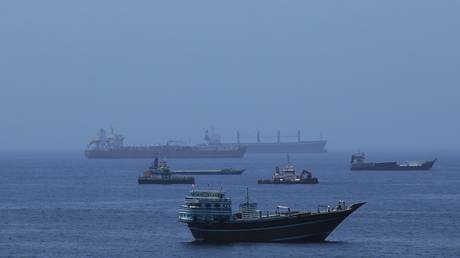
By early 2026, the US military was actively conducting strikes against Iranian infrastructure. Tankers were being seized by both sides. The global shipping industry faced an emergency. The Strait of Hormuz became a shooting gallery, forcing thousands of mariners to evacuate and causing global oil prices to spike.
This wasn't the clean, low-cost victory promised by Washington hawks. It was a grinding, multi-front conflict with no clear objective. Trump repeatedly claimed he didn't want regime change, yet his policies left no other alternative. The administration found itself trapped in a war of its own making.
The Failed Oil Blockade
Sanctions are like antibiotics. If you overuse them, the target builds resistance.
The United States assumed it could completely isolate Iran from the global market indefinitely. That ignored the rise of parallel financial networks. China continued to buy discounted Iranian oil through covert shipping methods, using dark fleets and non-dollar transactions to bypass Washington's restrictions.
Gulf Arab states also shifted their calculus. Saudi Arabia and the United Arab Emirates repaired their fractured relationships with Tehran, realizing that an uncontrolled regional war would destroy their own economic infrastructure. They refused to completely isolate Iran, choosing regional stability over Washington's dictates.
When the US tried to force OPEC to adjust quotas to offset the loss of Iranian crude, the group resisted. The multi-level quota system was too fragile to overhaul for an American geopolitical gamble. The global market couldn't tolerate a permanent blockade on Iranian energy without triggering a crushing recession.
The Backlash to the Paris Agreement
The administration's sudden pivot to diplomacy has triggered fierce bipartisan anger at home. The memorandum of understanding signed in Paris allows Iran to sell its oil and access frozen funds before a final nuclear agreement is even locked down.
Critics from the left and right are calling it a massive surrender. Former National Security Advisor Susan Rice blasted the agreement on television, calling it a horrific capitulation that gives Iran everything upfront. Senator Cory Booker compared the administration's actions to an arsonist starting a fire and then expecting praise for running out of the burning building.
On the other side of the aisle, conservative commentators are furious that billions of dollars will flow back into Tehran. They argue that the administration failed to eliminate Iran's hostile nuclear capability before giving up its economic advantage.
Even as Vice President JD Vance praises the progress of the Lucerne talks, the President continues to issue erratic threats on social media. Trump warned that if Iran doesn't immediately stop its proxies in Lebanon from causing trouble, the US will strike back harder than before. These mixed signals reveal an administration that has lost control of its own narrative.
Concrete Steps for Global Businesses and Investors
The geopolitical shift in the Middle East requires immediate strategic adjustments for international firms, supply chain managers, and energy investors.
- Rethink Supply Chain Routes: The Strait of Hormuz will remain highly volatile despite the temporary truce. Companies must continue to price in higher maritime insurance premiums and explore alternative shipping corridors through the Red Sea or overland rail options where feasible.
- Monitor Secondary Sanctions Regimes: While the new agreement eases some restrictions on Iranian oil, secondary sanctions targeting non-US entities remain complex. Compliance officers must scrutinize any transactions involving Middle Eastern logistics hubs to avoid accidental violations.
- Hedge Against Energy Volatility: Do not expect oil prices to drop overnight. The underlying tensions between Washington, Riyadh, and Tehran are unresolved. Keep energy portfolios diversified and prepare for sudden price swings if the Lucerne talks collapse.
- Track Regional Alliances: Watch the diplomatic movements of Gulf Arab states closely. Their willingness to engage with Tehran independently of Washington means regional trade agreements will shift, opening new markets in the Levant that bypass traditional American influence.
The war didn't end because Washington achieved its goals. It ended because the cost of maximum pressure became too high for the United States to bear. Squeezing an enemy into a corner without a clear way out doesn't bring peace. It brings an inevitable explosion.