Donald Trump wants Greenland, and he isn't joking. If you thought his earlier attempts to buy the world's largest island were just a bizarre real estate punchline, his latest outbursts at the NATO summit in Ankara, Turkey, should wipe away that illusion. This isn't a sideshow. It's a full-blown diplomatic crisis that threatens to tear the trans-Atlantic alliance apart at the seams.
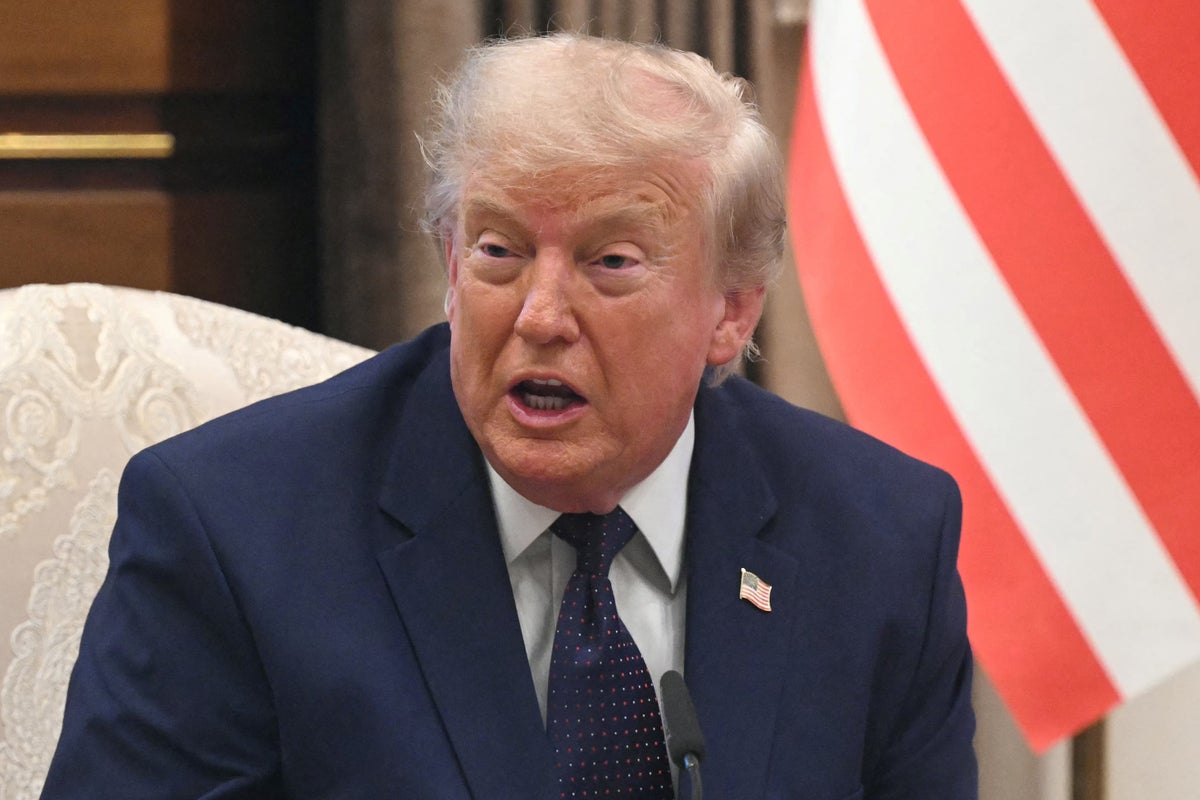
When Trump stood alongside Turkish President Recep Tayyip Erdogan in early July 2026, he didn't focus on shared military projects or European defense spending. He went straight for the Arctic. He told reporters that Greenland should be controlled by the United States, not by Denmark. He blamed Europe's refusal to hand over the territory for damaging his relationship with NATO. Then came the ultimate threat: Trump warned he could yank all American soldiers out of Europe if allies don't fall in line.
Danish Prime Minister Mette Frederiksen didn't back down. Hours later, she made it clear that Denmark will defend every single inch of its territory. Greenland isn't a piece of real estate to be bought, sold, or traded for Puerto Rico. It's an autonomous territory with 57,000 human beings who have a right to self-determination. Trump's refusal to accept this basic reality is pushing Washington toward a dangerous wall.
The Ankara Confrontation and the Soldier Threat
The NATO summit in Turkey was supposed to be a showcase of Western unity. European nations were busy rolling out 12 billion euros in new defense contracts, buying up transport planes, drones, and fighter jets to prove they take their own security seriously. They wanted to satisfy Trump's long-standing complaint that Europe doesn't spend enough on defense. They even set up a system of cheap loans through the European Union, backing a massive pool of capital to fund these projects.
Trump didn't care about the billions. He chose that exact moment to revive his most erratic foreign policy demand.
He claimed that Greenland doesn't help Denmark and that Copenhagen doesn't spend the money required to safeguard the island. In his view, the territory is vital for American security, and American security alone. Sitting next to NATO Secretary General Mark Rutte, Trump dispelled any hope that his remarks were just a casual slip of the tongue. He explicitly stated that Greenland is a massive problem for the U.S. and that he plans to use every NATO meeting to air his grievances.
The real danger lies in how Trump links this territorial demand to the broader American military presence in Europe. He openly warned that the U.S. could pack up its military bases and leave. His reasoning? Europe is a different place than it was two decades ago, and if European leaders aren't careful with energy and immigration, Europe won't exist much longer anyway. It's an aggressive, transactional approach to global security that treats decades-old mutual defense treaties like a bad lease agreement.
Why Denmark Will Never Sell and Why Greenland Can't Be Bought
To understand why Denmark reacts with such fierce defiance, you have to look at how the Danish Kingdom is actually structured. Trump talks about Greenland as if it's a forgotten colony that Copenhagen can just sign away on a napkin. That shows a profound ignorance of Nordic law and history.
Greenland ceased to be a colony all the way back in 1953. That year, a revision to the Danish Constitution integrated the island as a regular county. Decades later, in 1979, a referendum established home rule, giving local authorities control over their own internal affairs. By 2009, the Act on Greenland Self-Government recognized Greenlanders as a separate people under international law with an explicit right to external self-determination.
What does that mean in plain English? Copenhagen couldn't sell Greenland even if it wanted to. The decision to change the island's sovereignty belongs entirely to the people living there.
Local politicians have made their stance incredibly clear. Greenland's Foreign Minister, Múte Egede, took to social media right after Trump's Ankara comments to remind the world that Greenland's future will be decided by its people. He noted that has always been the case, and it always will be.
Polls on the island show that over 80% of the population favors ultimate independence from Denmark, not becoming the 51st American state. Greenlanders enjoy a comprehensive Nordic welfare system. They have universal healthcare, free higher education, strong labor protections, and family benefits that simply don't exist in the United States. Trading a secure social safety net to become an American military outpost is a non-starter for almost everyone living in Nuuk.
Fact-Checking the Threat in the Arctic Water
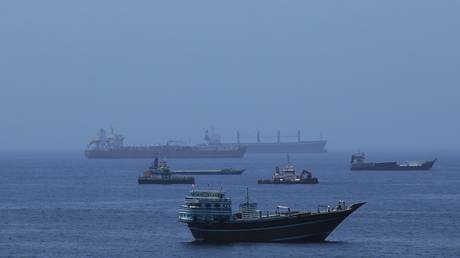
Trump attempts to justify his annexation push by painting a terrifying picture of the Far North. In Ankara, he claimed that Greenland is completely surrounded by Russian and Chinese ships. He argued that the U.S. must step in because Denmark is letting foreign adversaries overrun the region.
The facts don't back this up. Arctic security experts and maritime monitoring groups have repeatedly denied these claims. While Russia has expanded its military bases in the high Arctic and China calls itself a "near-Arctic state," Greenland is not swarming with hostile warships.
The security of the island is already managed through a long-standing framework. The 1951 defense treaty between the U.S. and Denmark allows the American military to operate significant assets on the island, most notably Pituffik Space Base (formerly Thule Air Base). This base tracks incoming ballistic missiles and monitors space debris.
The U.S. already has the military access it needs for national security. Demanding total political control isn't about defense. It's about a desire to dominate the Arctic's untapped mineral wealth and shipping lanes as global warming thins the polar ice.
The Economics of a Fractured Alliance
This isn't the first time the Greenland issue has boiled over during Trump's second term. The crisis actually peaked in late 2025 and early 2026, when the White House threatened a blanket 25% import tariff on European goods unless Denmark agreed to hand over the territory.
That threat triggered a furious response from the European Union. European leaders stood firmly behind Denmark, deploying forces to the region under joint exercises known as Operation Arctic Endurance and Operation Arctic Sentry. European politicians went so far as to suspend negotiations on a major EU-US trade agreement, openly discussing retaliatory sanctions against American industries.
Though Trump temporarily paused his tariff threats during a brief agreement brokered by Mark Rutte at the Davos conference in January 2026, his latest comments show that truce is dead. The economic fallout of a renewed trade war over Greenland would be devastating. A 25% tariff on European cars, machinery, and agricultural products would disrupt global supply chains and drive up consumer prices in America.
The Blueprint for Countering Arctic Aggression
Denmark and its European allies can't just wait around for the next round of late-night social media threats. They need a concrete strategy to secure the High North without triggering a kinetic conflict with their largest ally. If you're looking at how Europe should handle this ongoing pressure, the path forward requires tactical updates to both defense and local infrastructure.
Build Up Local Arctic Defense Capitals
Denmark must increase its own independent maritime patrol capabilities. Relying entirely on American radar data gives Washington too much leverage. Investing heavily in long-range drones and satellite surveillance specialized for ice-filled waters will allow Copenhagen to counter the false narrative that Greenland is undefended.
Fund the Greenlandic Subsidy Independently
Right now, Denmark provides a massive annual block grant to Greenland, accounting for a huge chunk of the island's public budget. To insulate the territory from American economic bribery, Denmark and the EU should establish a joint Arctic Development Fund. This fund should fast-track local infrastructure projects, like deep-water ports and airport expansions, using European capital instead of letting the U.S. or China bid on them.
Enforce the 1951 Treaty To the Letter
The Danish government needs to hold firm on the legal boundaries of the existing defense agreement. The U.S. has the right to use Pituffik, but it does not have the right to expand its military footprint onto civilian lands without explicit permission from the government in Nuuk. Any attempt by American forces to operate outside their designated zones should be met with immediate legal challenges in international courts.
The era of laughing off Trump's Arctic ambitions is officially over. By linking the fate of Greenland to the presence of American troops in Europe, the White House has turned a regional dispute into an existential crisis for Western security. Denmark has drawn a clear line in the snow. Now, the rest of Europe must decide if they're willing to stand across that line with them, or watch the trans-Atlantic alliance dissolve over a piece of land that was never for sale.