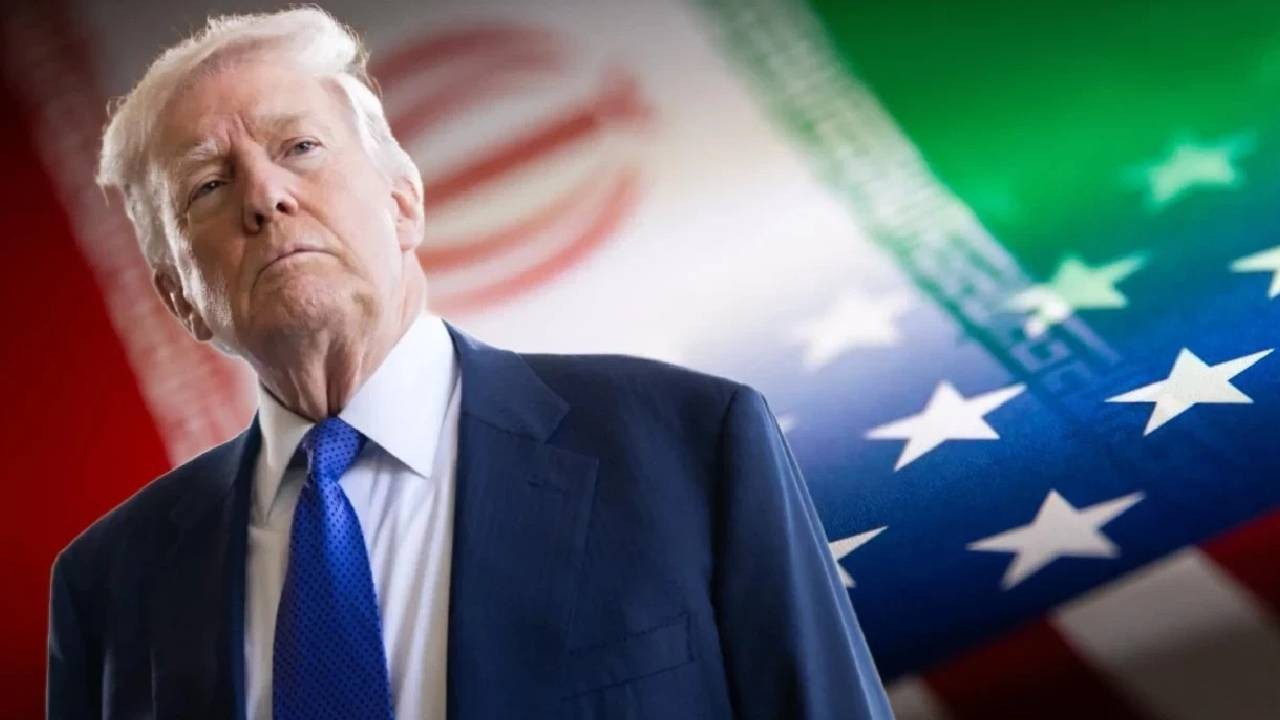
Donald Trump just put a new bullseye on Iran, and it is a massive underground fortress that conventional weapons might not even be able to touch. Speaking on the Hugh Hewitt Show, Trump warned that the US is getting ready to take out Pickaxe Mountain, an uninspected nuclear facility buried deep inside the Zagros mountain range. He called it a possible target for a "nice big fat shot right near the front door".
If you feel like you have heard this before, you are right. Just last year, US B-2 bombers dropped massive bunker-buster bombs on Iranian facilities like Fordow and Natanz. Trump declared at the time that the Iranian nuclear program was completely obliterated. Apparently, it was not. Learn more on a related issue: this related article.
This new threat reveals a major gap in the administration's military strategy. Pickaxe Mountain, known locally as Kuh-e Kolang Gaz La, is not just another warehouse. It represents a massive engineering challenge that could drag the US into a much longer, messier conflict than anyone is admitting.
The Fortress Under the Granite
To understand why this facility matters, you have to look at how it was built. Iran started constructing the site around 2020 near the existing Natanz complex. Instead of building on the surface, they tunneled straight into the base of a mountain. Additional journalism by The Guardian delves into similar views on this issue.
Intelligence estimates suggest the underground halls sit anywhere from 100 to 600 meters beneath solid granite. That depth is the entire point. The most powerful conventional weapon in the US arsenal is the GBU-57 Massive Ordnance Penetrator. It can punch through about 60 meters of earth and rock before exploding. Do the math. If a facility sits hundreds of meters deep, a standard airstrike cannot destroy the core infrastructure.
During the air campaigns of June 2025, the US and Israel skipped Pickaxe Mountain entirely. Intelligence analysts believed it was not yet operational, so they focused on active sites instead. Now, recent satellite imagery shows a surge of truck traffic moving in and out of the tunnel portals. Iran is rushing to finish the job, and Washington is running out of patience.
Why the Conflict Is Boiling Over Right Now
This latest threat did not happen in a vacuum. The broader US-Iran conflict is entering its seventh week, driven heavily by a maritime showdown in the Strait of Hormuz. After Iran targeted a container ship off the coast of Oman, Trump announced a total maritime blockade on Iranian shipping.
The administration is attempting to enforce a 20 percent transit fee on all other commercial cargo passing through the strait to fund US security operations. Iranian Foreign Minister Abbas Araghchi immediately mocked the idea on social media, sparking a fresh round of retaliatory strikes.
The military reality is shifting quickly. US Central Command has spent the last three nights pounding Iranian air defense systems, radar stations, and missile sites. Yet, every conventional strike seems to hit a wall when it comes to the underground network. Trump claims that every time Iran tries to rebuild, the US blows it up. The reality on the ground is far more complicated. Experts from the Foundation for Defense of Democracies note that Iran has used the past year to harden its tunnel entrances against potential strikes, making the physical gates nearly impervious to baseline missile attacks.
The Dangerous Reality of Bombing a Mountain
Military strategists often talk about air strikes as clean, surgical operations. They are not. If the US decides to give Pickaxe Mountain a "big fat shot," the environmental and structural fallout will be severe, even if the nuclear centrifuges remain untouched.
The Zagros mountain range is geologically unstable, filled with folded limestone and active fault lines. Dropping multiple heavy bunker-busters would shake the region like a localized earthquake. It would trigger massive landslides, bury access roads, and collapse the outer tunnel structures.
Then there is the issue of toxic dust. Pulverized concrete, crystalline silica, and heavy metals would create massive plumes capable of traveling kilometers downwind into local communities. If the explosions rupture underground chemical storage or fuel depots, the air pollution gets worse.
Worse still is the intelligence blind spot. Because Iran has refused to declare Pickaxe Mountain as an official enrichment site, International Atomic Energy Agency inspectors have never stepped foot inside. Nobody outside of Tehran knows exactly what is sitting in those deep chambers. If Iran has already moved enriched uranium stocks into the deepest rooms, an airstrike that fractures the rock without destroying the material could contaminate local groundwater networks.
What This Means for Global Markets
You can already see the direct consequences of this escalation in the global economy. Oil prices surged over nine percent following Trump's latest remarks. The Strait of Hormuz handles roughly a fifth of the world's petroleum and natural gas supplies. A prolonged blockade combined with threats against major infrastructure guarantees that energy volatility is here to stay.
Prediction markets tracking a potential US-Iran diplomatic deal have tanked. Any hope for a reconstruction funding agreement or a permanent ceasefire has evaporated as both sides try to force an end to the impasse on their own strict terms.
How to Prepare for the Fallout
If you are managing supply chains, trading energy commodities, or tracking geopolitical risk, you cannot treat this as standard political rhetoric. The situation requires immediate adjustments.
First, diversify your logistics away from the Persian Gulf if you rely on maritime transit through the Middle East. The 20 percent transit fee threat and the ongoing exchange of drone strikes mean shipping costs will spike significantly. Expect insurance premiums for cargo vessels in the region to reach record highs.
Second, hedge against prolonged oil price shocks. Do not assume this conflict will resolve in a few weeks. If the US goes ahead with an assault on Pickaxe Mountain, the Iranian retaliation will likely target energy infrastructure across the Gulf, dragging in neighboring states and keeping oil prices elevated for months.
Keep your eyes on the satellite data and daily CENTCOM briefings. The moment heavy construction vehicles stop moving at the Pickaxe Mountain portals, it means the window for diplomacy has closed completely.