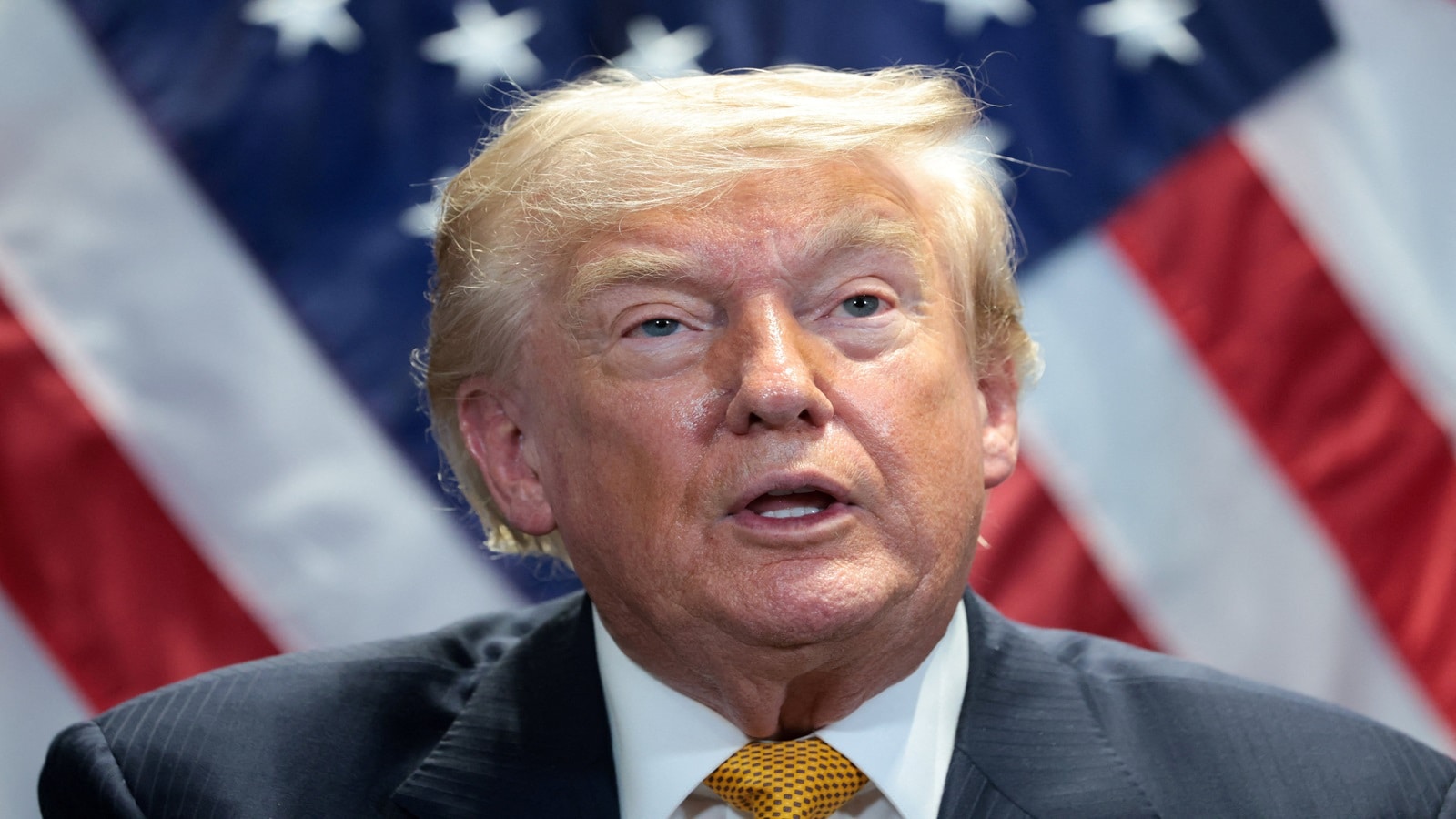
Donald Trump just upped the ante in the Middle East. On Wednesday, July 22, 2026, the U.S. President declared that for every single attack Iran carries out against shipping in the Strait of Hormuz, American forces will blow up one Iranian bridge or power plant.
It's a stark tit-for-tat ultimatum. The message posted on social media couldn't be clearer. Anything Iran fires at a vessel, whether it's a missile, rocket, or drone, will cost Tehran a major piece of domestic infrastructure.
This isn't an isolated threat. It comes after 11 consecutive nights of heavy U.S. airstrikes across Iranian territory and a conflict that's already drained $37.5 billion from Washington's budget. Tensions in the region have reached a boiling point. The war for control of the world's most vital energy waterway has spiraled into an all-out war of attrition against civilian-use infrastructure.
What Trump Announced and Why the Strait Matters
The core of this standoff revolves around the Strait of Hormuz. During peacetime, roughly a fifth of the world's traded oil and gas flows through this narrow strip of water separating Iran from the Arabian Peninsula. When traffic stops here, global energy markets react instantly.
Iran has spent weeks targeting commercial vessels attempting to traverse routes controlled or protected by U.S. forces. Tehran claims it has the right to regulate passage and collect tolls through the waterway. Washington refuses to accept that premise, arguing that letting any nation hold an international transit point hostage sets a disastrous precedent for global trade.
Trump's response was direct. "From this point forward, any time the Islamic Republic of Iran shoots at a ship in the Strait of Hormuz, whether it be by Missile, Rocket, Drone, or any other device or weapon, the United States will bomb and destroy ONE BRIDGE OR POWER PLANT," he wrote.
That formula turns economic warfare into direct strikes on infrastructure.
The Financial Shock and Soaring Energy Costs
If you've noticed prices jumping at the gas pump over the past two weeks, this standoff is why. Brent crude oil smashed past $93 a barrel following the latest rhetoric. That's a sharp spike from under $72 just earlier this month.
Shipping through the strait has come to a near-total standstill. Tankers are sitting anchored in safe waters, unwilling to risk getting caught in the crossfire or targeted by Iranian anti-ship missiles. Insurance rates for maritime transport in the Persian Gulf have skyrocketed to levels that make commercial transit economically unviable for standard operators.
The fallout extends far beyond crude oil. Liquefied natural gas (LNG) shipments bound for Europe and Asia are delayed or rerouted around Africa. That adds weeks to transit times and drives up electricity prices worldwide. With U.S. midterm elections approaching this fall, rising inflation and gas prices present an immediate domestic headache for the White House.
The Strategy Behind Targeting Bridges and Power Plants
Why target energy grids and transport links? From a military doctrine perspective, it's about raising the cost of aggression until it becomes unsustainable for the opposition.
Iran relies on a fragile electric grid and a handful of primary highway arteries to move industrial goods and domestic supplies across its mountainous terrain. Taking out bridges chokes local commerce and military logistics simultaneously. Knocking out power plants creates widespread blackouts, crippling state-run industries and putting immense pressure on leadership in Tehran.
However, targeting dual-use or civilian infrastructure brings severe legal and humanitarian challenges. International law, including the Geneva Conventions, strictly restricts attacks on infrastructure vital to civilian survival unless those facilities serve a direct, active military purpose. United Nations Secretary-General Antonio Guterres called attacks on energy and water systems "unacceptable," warning that civilians always bear the primary burden when utility grids collapse.
Tehran hasn't restricted its targets either. In response to American air campaigns, Iran has launched missiles and drones toward energy sites and water desalination plants in neighboring Gulf states. That directly threatens drinking water supplies across parched regional economies.
How Iran and Regional Powers Are Reacting
Tehran hasn't backed down. Mohammad Bagher Qalibaf, the speaker of Iran's parliament, dismissed the ultimatum on social media, insisting that the strait will never return to pre-war conditions as long as U.S. forces remain in the area.
"If our security is not ensured, no infrastructure will be safe," Qalibaf wrote.
The conflict is spilling across borders fast. Over the past 24 hours:
- Jordan intercepted four Iranian missiles and four drones over the coastal city of Aqaba, with two missiles landing in uninhabited areas near the Israeli border.
- Bahrain issued air alerts and activated defense batteries to intercept incoming aerial threats.
- Saudi Arabia warned residents in the eastern city of Dammam to seek shelter before declaring the immediate danger had passed.
- Yemen's Houthi rebels threatened new strikes against commercial shipping in the Red Sea, opening a second front against global trade chokepoints.
Meanwhile, casualties continue to rise. Iran's Health Ministry reported that U.S. airstrikes over an eleven-day period killed 53 people and wounded nearly 600. On the American side, Defense Secretary Pete Hegseth revealed during a Senate hearing that war costs had hit $37.5 billion, sparking intense debate on Capitol Hill over supplemental defense spending.
Diplomatic Channels Remain Frozen
Despite the heavy exchanges, both sides claim they aren't opposed to talks. Secretary of State Marco Rubio stated during a regional summit in Manila that Washington remains open to a negotiated settlement, though he added that Tehran hasn't shown serious interest in compromising.
Iran's Foreign Ministry echoed similar sentiments, noting that diplomatic messages are still being passed through third-party mediators. But with Trump signaling possible strikes against underground Iranian nuclear facilities, including the deep-set site at Pickaxe Mountain near Natanz, the space for a diplomatic exit ramp is shrinking by the day.
What to Watch Next
The coming days will show whether Trump's tit-for-tat formula acts as a deterrent or triggers wider regional retaliation. Keep an eye on three key indicators:
- Daily Tanker Movement: Watch maritime tracking data in the Strait of Hormuz. If commercial vessel transits remain near zero, expect crude oil prices to test $100 a barrel.
- Gulf Energy Infrastructure: Monitor reports on desalination plants and oil terminals in Saudi Arabia and the UAE. Any successful Iranian strike on these targets will push regional allies deeper into the fight.
- U.S. Congressional Action: Follow the debate over defense spending in Washington. As costs cross $40 billion, congressional pushback could alter the timeline for military operations.