Donald Trump didn't just end the fragile US-Iran ceasefire. He meme-bombed it out of existence in the dead of night.
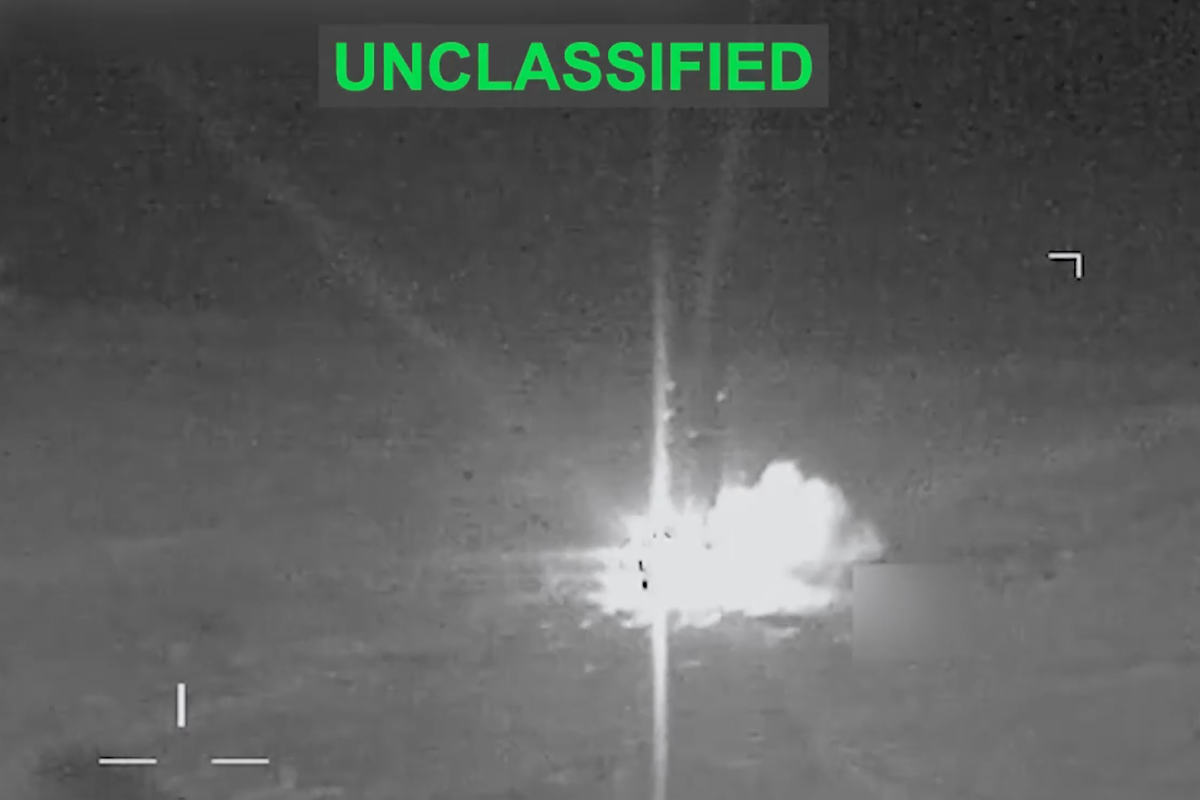
If you went to sleep thinking the highly volatile Middle East truce might hold, you woke up to a completely shifted geopolitical reality. Hours before making the official declaration that the short-lived peace pact was dead, the President unleashed a torrent of uncaptioned, graphic videos showing massive explosions, simulated missile strikes, and aggressive military maps across his Truth Social account.
This isn't just erratic late-night scrolling. It's a calculated strategy of psychological warfare and domestic political branding that leaves traditional diplomacy bleeding on the floor.
The Midnight Posting Spree That Signaled War
The escalation didn't start with a formal press briefing from the White House podium. It started in the dark. Trump began dropping raw, violent footage showing high-intensity explosions without a single word of context. To the casual observer, it looked like absolute chaos. To seasoned intelligence analysts, it was the unmistakable drumbeat of a renewed military offensive.
Shortly after the social media barrage, the formal axe fell. Trump declared the ceasefire null and void, signaling an immediate return to active hostilities. The administration's digital blitz wasn't just a reaction; it was the prelude to heavy kinetic action. Reports indicate that the US military had already moved on critical targets, utilizing 2,000-pound bunker buster bombs on an ammunition depot in Isfahan, while explosions rocked the capital city of Tehran.
The juxtaposition is jarring. On one hand, you have the grave reality of massive penetrator munitions altering the landscape of an adversarial nation. On the other, you have a commander-in-chief treating the outbreak of a major conflict like a viral marketing campaign.
Weapons of Mass Distraction
What the mainstream media misses is the intentionality behind the apparent madness. Mainstream outlets quickly jump on the "unhinged" narrative, pointing out how bizarre it is for a head of state to share video-game-style animations or unverified combat footage. But looking at this through the lens of standard diplomacy means you're missing the point entirely.
Trump uses raw digital content to bypass the entire press corps. By publishing uncensored explosion videos directly to his followers, he controls the initial emotional surge of the news cycle. He doesn't want a measured debate about foreign policy nuances on Sunday morning talk shows. He wants immediate, visceral engagement.
The White House social media operation has increasingly adopted this meme-heavy aesthetic. We've seen military strikes set to pop soundtracks and Call of Duty killstreak animations used to illustrate real-world operations. It draws fierce backlash from human rights groups and the artists whose music gets hijacked, but the outrage is exactly what fuels the algorithm. It ensures that the administration's version of events is the most talked-about piece of media on earth for a 24-hour cycle.
The Mirage of the June Truce
To understand why this collapse happened so fast, you have to look at what the ceasefire actually was. Announced with great fanfare around the President's 80th birthday in mid-June, the deal promised an immediate end to hostilities and a toll-free reopening of the strategic Strait of Hormuz for oil shipping.
But the foundation was built on sand. Almost immediately, the cracks showed. Trump dismissed leaked Iranian terms as "fake news," attacking Tehran's leadership as dishonorable and claiming their public statements bore no relation to the written text negotiated behind closed doors. The Iranians countered by claiming Washington was moving the goalposts and changing elements of the original framework.
When a drone attack struck near critical regional infrastructure, the fragile agreement dissolved completely. The reality is that neither side trusted the other enough to implement the structural changes required for long-term peace. The ceasefire wasn't a resolution; it was a temporary pause for both sides to rearm and recalibrate their messaging.
What Happens Next
The collapse of the truce means we are back in active conflict territory, and the stakes couldn't be higher. Expect immediate economic shocks, particularly in global energy markets. With the status of the Strait of Hormuz thrown right back into jeopardy, oil prices are bound to experience severe volatility.
For everyday citizens and analysts trying to make sense of the policy shifts, stop looking for traditional diplomatic white papers or official state department readouts. The real policy directives are being broadcast in real-time, unfiltered, and backed by a digital bass drop. Watch the social media feeds, monitor the regional military movements, and prepare for a highly unpredictable escalation.