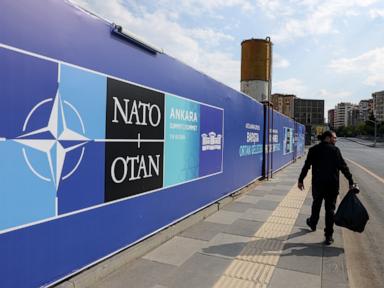
Donald Trump isn't waiting around for the history books to catch up with his foreign policy. This Wednesday, the American president will turn the NATO summit in Ankara, Turkey, into his personal diplomatic stage. The White House confirmed that Trump has locked in two high-stakes, back-to-back meetings that could upend how the West handles its biggest global headaches. He's sitting down with Ukrainian President Volodymyr Zelenskyy and Syrian President Ahmad al-Sharaa.
If you're tracking these conflicts, you know this isn't just standard diplomatic theater. The timing is deliberate. On Saturday, both Zelenskyy and Russian President Vladimir Putin called Trump to congratulate him on America's 250th Independence Day. Trump didn't just accept the well-wishes. He used the calls to lay the groundwork for a massive push to end the war in Ukraine, a conflict that has dragged into its fifth grueling year. Now, the real horse-trading begins in Turkey. Meanwhile, you can read similar stories here: Why Pakistan's New Tax On Former Tribal Areas Is A Dangerous Mistake.
The Push to Wrap Up the War in Ukraine
Kyiv desperately needs to keep Trump's attention fixed on Moscow. Frontline realities are changing, and Zelenskyy knows his Western supply lines depend heavily on Washington's mood. While military analysts point out that recent Russian offensives have sputtered, Ukraine has chosen this moment to strike back aggressively. They aren't just holding the line anymore. Ukrainian forces are regularly launching deep strikes inside Russian territory, proving they can hurt Moscow at home.
Zelenskyy posted on X after his call with Trump, claiming there is now "a real prospect of ending this war." To explore the bigger picture, check out the recent report by The New York Times.
But the details are messy. Trump wants this over quickly. A senior U.S. official confirmed that the president feels an intense sense of urgency to freeze the conflict. The American strategy involves getting Zelenskyy's parameters for a deal on Wednesday, then immediately turning around to talk with Putin to see what Russia will accept. Kremlin foreign affairs adviser Yuri Ushakov publicly noted that Trump reiterated his readiness to help broker a quick cessation of hostilities.
What does this mean for NATO allies? It means anxiety. European capitals worry a rushed peace deal might force Ukraine to surrender land for a temporary truce. But Trump's team is looking at the bigger financial picture, and they want results.
The Bizarre Syrian Equation
While the Ukraine talks follow a certain logic, Trump's scheduled sit-down with Ahmad al-Sharaa is leaving seasoned diplomats scratching their heads. Al-Sharaa, the former Islamic insurgent leader who recently drove Bashar Assad out of power, is trying to stabilize a fractured Syria.
Trump's angle on Syria isn't about traditional statecraft. It's about his deep frustration with the Middle East, specifically Israel's ongoing war with Hezbollah in Lebanon. That conflict has completely jammed up U.S. efforts to negotiate wider regional stability and handle Iran.
Trump has repeatedly floated a wild idea. He wants Syria's new government to fight Hezbollah directly.
"We've got a whole new dynamic in Damascus, and they need to secure their own backyard against these regional proxies," a senior administration source hinted regarding the rationale.
Al-Sharaa has already pushed back. He publicly stated he has zero interest in picking a fight with Hezbollah to solve Washington's problems. He even tried to play down Trump's comments, suggesting the American president was misunderstood. Trump, characteristically, didn't back down and kept repeating the demand anyway. This face-to-face meeting on Wednesday will force both men to confront that reality. Al-Sharaa needs American recognition and aid; Trump wants a regional partner to do the heavy lifting against Iranian allies. Something has to give.
NATO Allies Face the Bill
Behind the glamorous bilateral meetings, the core NATO sessions will focus heavily on money. Trump isn't going to Ankara just to chat. His administration is arriving with a clear mandate for European and Canadian partners: pay up.
U.S. officials are demanding that all allies show "meaningful upward trajectories" in their domestic defense spending. The administration wants a fairer burden-sharing model, and they are tired of vague promises.
The summit will also see the rollout of massive defense industry contracts. Expect to see billions of dollars in announcements on the sidelines of the summit, specifically focusing on defense co-production deals and new factory-building initiatives across Europe and Canada.
Freedom of Navigation and Old Desires
Two other major topics are set to dominate the halls in Ankara:
- The Strait of Hormuz: Multiple NATO allies are raising their hands to participate in maritime security operations to safeguard global shipping through this critical oil chokepoint. The problem? A senior U.S. official noted that while allies want to help, many simply lack the actual ships and hardware required to make a dent. Trump will likely pressure them to buy American gear to fill those gaps.
- The Greenland Question: Yes, it's back. White House officials confirmed that the Trump administration still views the American acquisition of Greenland as the ultimate long-term solution for NATO's northern defense. While Denmark and Greenland have rejected outright purchase ideas in the past, U.S. officials claim all three governments are actively looking for a permanent arrangement to address defense vulnerabilities in the Arctic.
What Happens Next
The Ankara summit is a turning point for global security. Watch the news conference Trump plans to host on Wednesday before he flies back to Washington. That presser will reveal exactly how much ground Zelenskyy was forced to yield and whether al-Sharaa managed to deflect Trump's Middle Eastern ambitions.
If you want to understand where the global order is heading, ignore the formal group photos on Wednesday morning. Keep your eyes on the closed-door bilateral sessions. The decisions made in those rooms will dictate the map of Eastern Europe and the stability of the Middle East for the rest of the decade.