The Middle East just hit a whole new level of chaos, and it isn't the usual back-and-forth rhetoric. Republican Senator Lindsey Graham basically dropped a bomb on national television, revealing exactly what Donald Trump plans to do if the ongoing Switzerland talks with Iran fall apart. Grab a coffee, because the stakes are massive, and the global oil market is about to feel the heat.
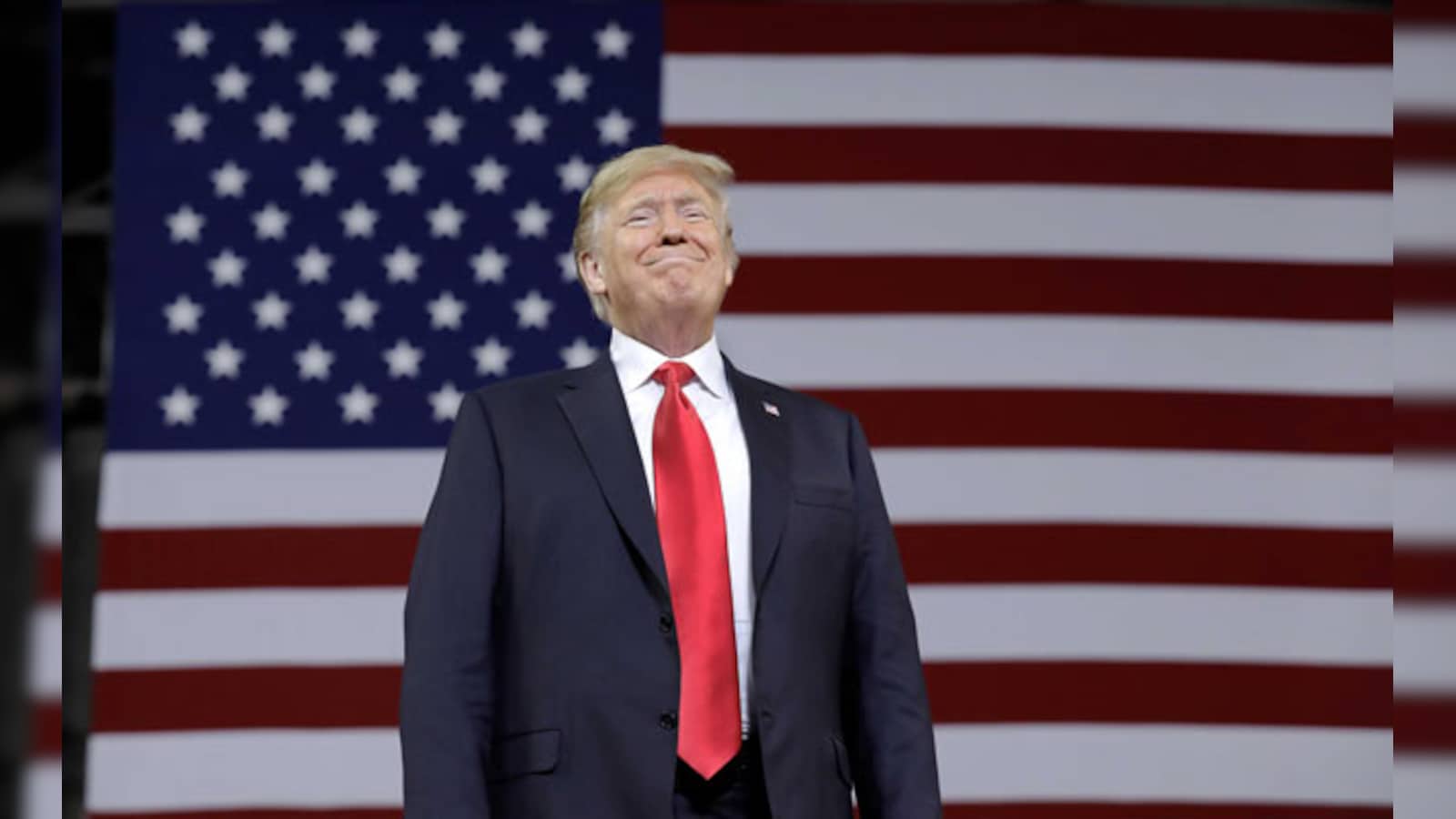
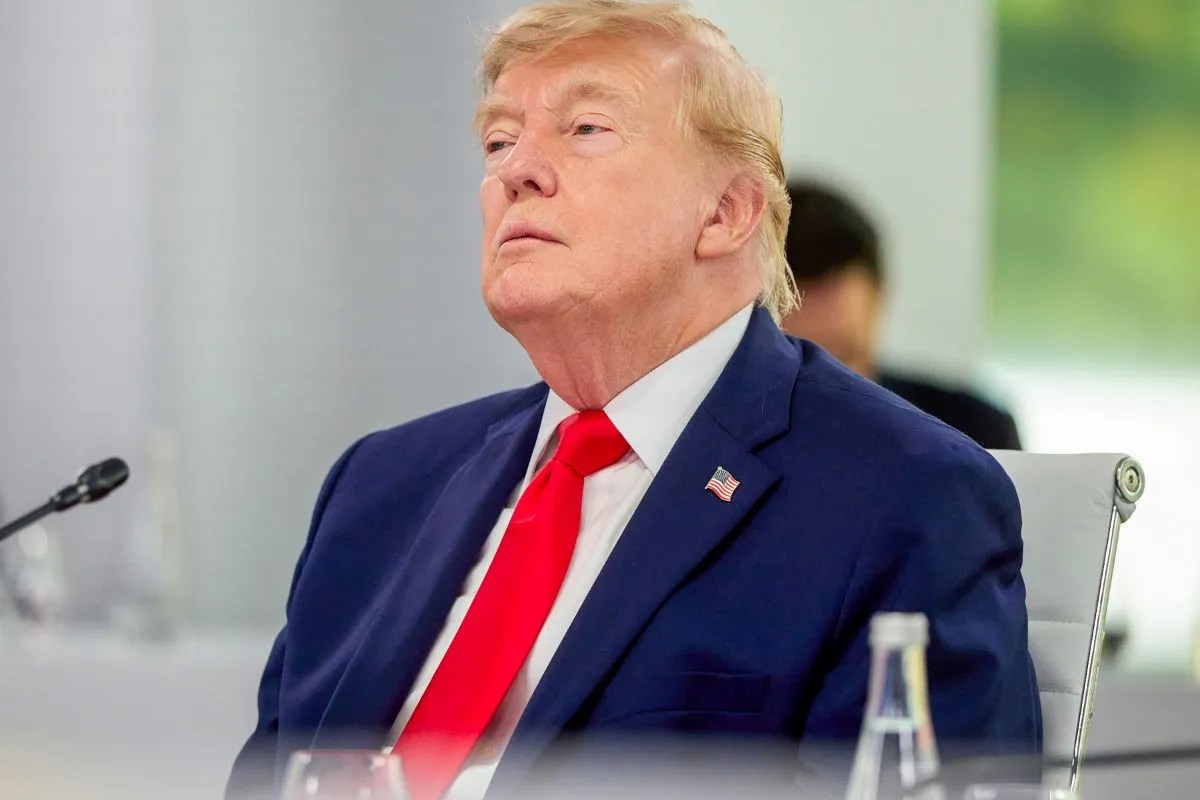
According to Graham, who just spent four and a half hours huddling with Trump, the U.S. won't just walk away if diplomacy fails. Instead, Trump is prepared to take over the Strait of Hormuz by force.
Yes, you read that right. The U.S. military running the world's most critical maritime chokepoint. If Iran tries to contest it? Graham didn't mince words: "We will obliterate them."
The Real Power Play Behind the Switzerland Talks
Right now, the U.S. and Iran are operating under a 14-point Memorandum of Understanding (MOU) signed recently, which kicked off a 60-day ceasefire window to negotiate a broader deal. Vice President JD Vance and American negotiators are on the ground in Switzerland trying to hammer out terms.
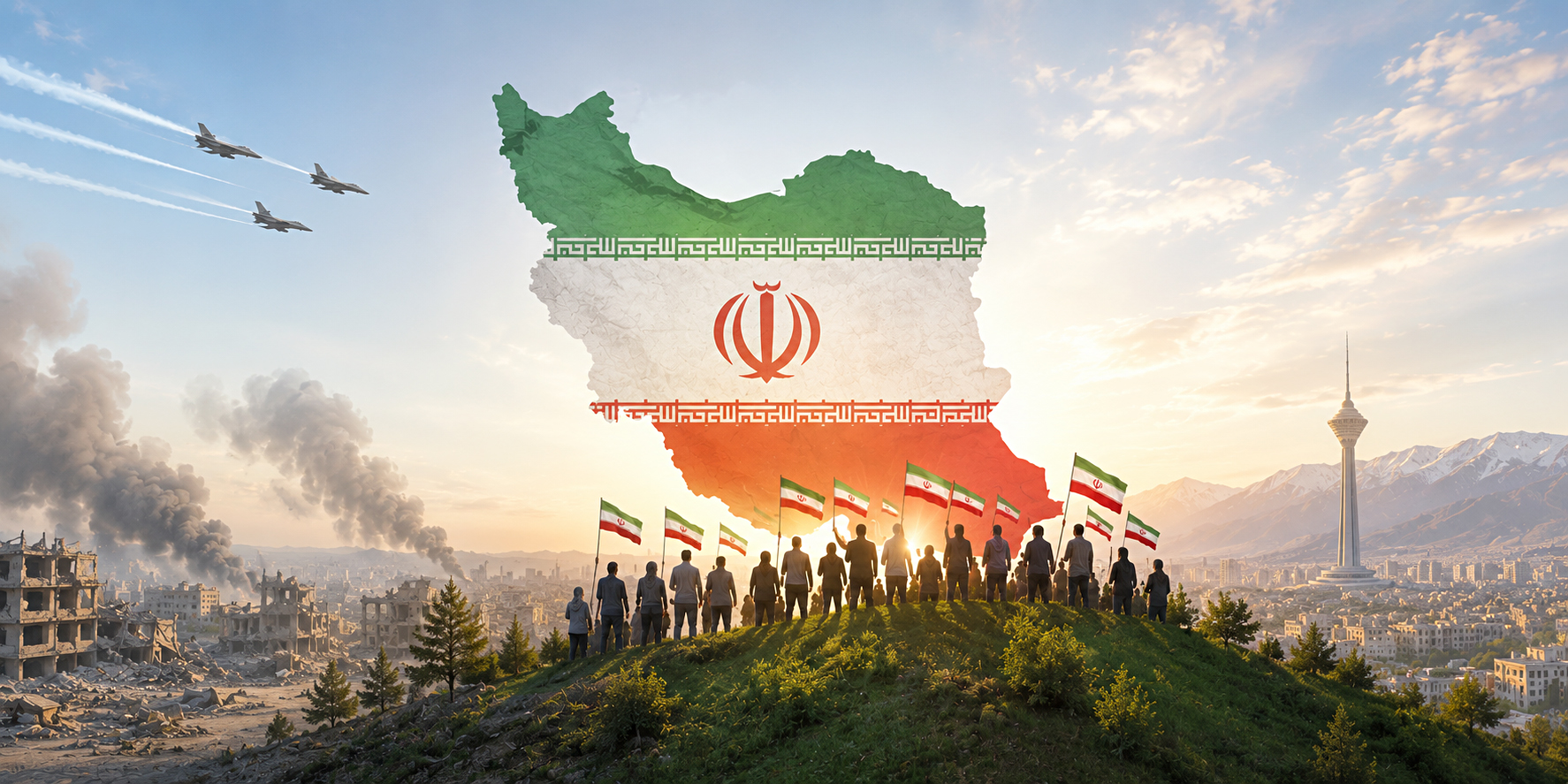
But behind the closed doors, the tension is suffocating. Tehran already staged a temporary walkout after Trump warned them to rein in Hezbollah or face severe consequences. Meanwhile, Iran is threatening to shut down the Strait of Hormuz entirely, accusing the U.S. and Israel of violating the initial agreement.
Here is the underlying issue that most mainstream media outlets are completely missing: nobody actually expects these talks to succeed. Graham openly admitted he thinks diplomacy will fail. The 60-day clock is ticking, but instead of building a bridge, both sides are heavily prepping for what happens when the clock hits zero.
Running the Strait Like a Toll Booth
If you think a military takeover sounds extreme, wait until you hear how Trump plans to finance it. He isn't planning to spend American taxpayer dollars to act as the world's free maritime security guard.
Trump is floating the idea of creating a "Persian Gulf Strait Authority." If the U.S. Navy takes control of the waterway, they intend to charge a fee to every single commercial vessel passing through. Think of it as a massive, heavily armed toll booth for global oil transit. Trump called the concept acting as the region's "guardian angel"—but an angel that demands a 20% cut or a steep transit fee.
Scott Bessent, a key economic figure linked to the administration, backed this aggressive approach, hinting that any damage Iran inflicts on Gulf allies will be paid for directly by extracting funds from seized Iranian accounts.
Why the Strait of Hormuz Shifts Everything
To understand why this is a massive deal, look at the physical geography. The Strait of Hormuz is a narrow stretch of water between Oman and Iran. It connects the Persian Gulf with the Gulf of Oman and the Arabian Sea.
At its narrowest point, the shipping lane is only about two miles wide in either direction. Yet, roughly 20% of the world's total petroleum liquids pass through this tiny corridor daily. It is the literal jugular vein of the global energy supply.
[Persian Gulf] ---> [Strait of Hormuz: Only 2 Miles Wide] ---> [Global Markets]
                          ^
               (Where Trump Plans Force)
Iran has historically used the threat of closing the strait as its ultimate geopolitical leverage. Whenever Western sanctions tighten, Tehran reminds the world it can choke off global oil supply overnight. Trump’s strategy turns that leverage completely on its head. Instead of reacting to an Iranian blockade, the U.S. is threatening a preemptive take-over.
The Kharg Island Factor
The strategy isn't limited to the water. Trump recently revealed in a Fox News interview that his actual preference is taking Kharg Island.
If you aren't familiar with regional energy infrastructure, Kharg Island is Iran's primary oil export terminal. It sits deep within the Persian Gulf and handles over 90% of Iran's crude exports. The U.S. has already inflicted heavy economic pain via a physical blockade of ships, essentially shutting down Kharg Island’s loading facilities and forcing Iran to start taking down its active wells. Combining a physical presence at Hormuz with direct control or a permanent blockade of Kharg Island would strip Iran of its last remaining economic lifeline.
What This Means for Your Pocketbook
This isn't just a localized military skirmish; it has direct consequences for the global economy.
- Oil Prices: Any hot conflict inside the Strait of Hormuz instantly spikes crude prices. Even with U.S. domestic production at record highs, a disruption here sends shockwaves through global supply chains.
- Shipping Costs: If the U.S. implements a transit fee or toll system, shipping companies will pass those costs straight down the line. Everything from gas at the pump to consumer goods shipped via ocean freight will get more expensive.
- The Insurance Nightmare: Maritime insurance underwriters will skyrocket premiums for any vessel entering the Persian Gulf, making trade prohibitively expensive for standard commercial fleets.
The Geopolitical Fallout
Iran isn't sitting still. Their defense ministry issued warnings that any crossing of the Islamic Republic's red lines will face a "harsh punitive response." Reports indicate they are scrambling to buy advanced supersonic anti-ship missiles from China to counter the U.S. Navy's presence. They're also using heavy machinery to unblock underground missile tunnel entrances that were previously damaged by U.S. and Israeli airstrikes.
At the same time, Graham is betting that this extreme show of force will force other regional players to recalculate. He predicted that despite the chaos, Trump will successfully pressure Saudi Arabia to join the Abraham Accords before the end of 2026, completely reshaping the security architecture of the Middle East and sidelining Iran permanently.
Your Tactical Next Steps
The window for diplomacy in Switzerland is closing rapidly. If you are managing corporate supply chains, logistics, or energy-sensitive investments, don't wait for the 60-day ceasefire to expire.
Map out your operational exposure to a sudden spike in oil prices. Look into hedging options or secure alternative shipping routes that don't rely heavily on the Persian Gulf corridor. The traditional rulebook on Middle Eastern diplomacy is being thrown out the window, and the transition to raw economic and military coercion is happening right now.
To get a better visual sense of the sheer scale of the military assets involved in enforcing these blockades, watch this analysis of the U.S. Navy's regional operations, which outlines how the White House plans to back up its threats with physical force if the current Swiss diplomatic framework falls through completely.