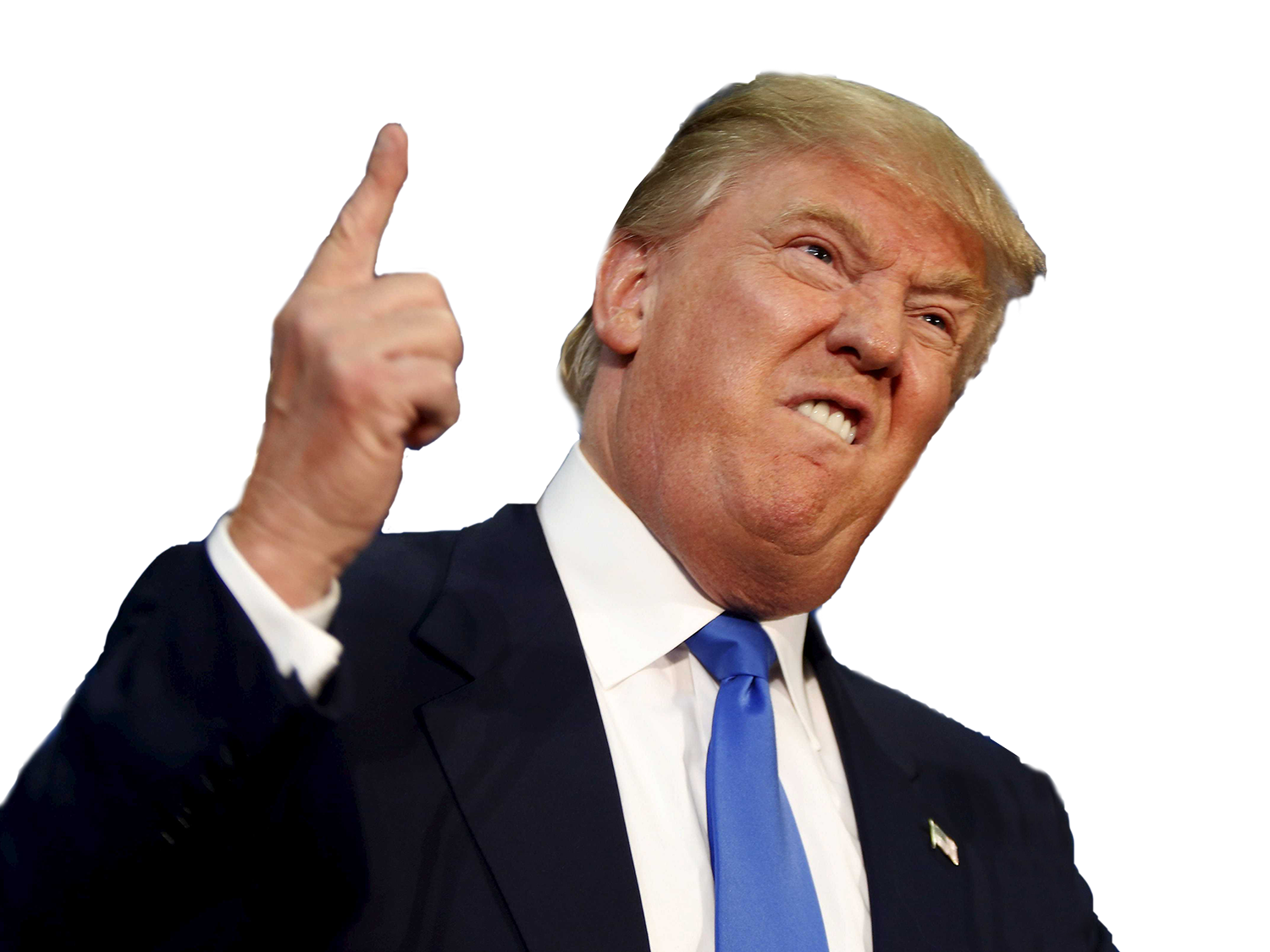
The fragile hope of ending the war with Iran just went up in smoke. Speaking to reporters in Ankara on Wednesday, July 8, 2026, President Donald Trump made it clear that the interim peace deal signed less than a month ago is dead.
"To me, I think it's over," Trump said right before walking into a NATO summit that was already tense. He didn't mince words. He called the Iranian leadership scum and sick people, telling everyone it's just a waste of time dealing with them.
This brings a brutal end to the short-lived ceasefire brokered by Pakistan back on June 17. The conflict started with massive U.S. and Israeli airstrikes on Iran on February 28, 2026, and the world has been on edge ever since. For a brief moment in June, the memorandum of understanding looked like a path out of a global nightmare. Now, we're right back at the brink of total escalation.
If you're trying to understand how a signed peace agreement disintegrated in less than three weeks, you have to look at the chaotic mix of tanker attacks, economic sanctions, and sudden military retaliation in the Gulf. This isn't just a failure of diplomacy. It's a rapid slide back toward open warfare that will hit global energy markets hard.
The Night Everything Fell Apart in the Gulf
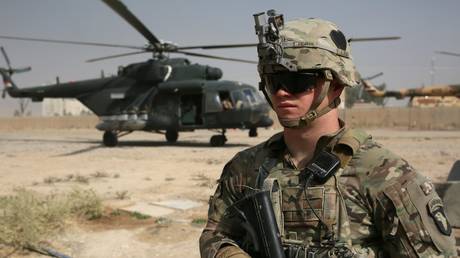
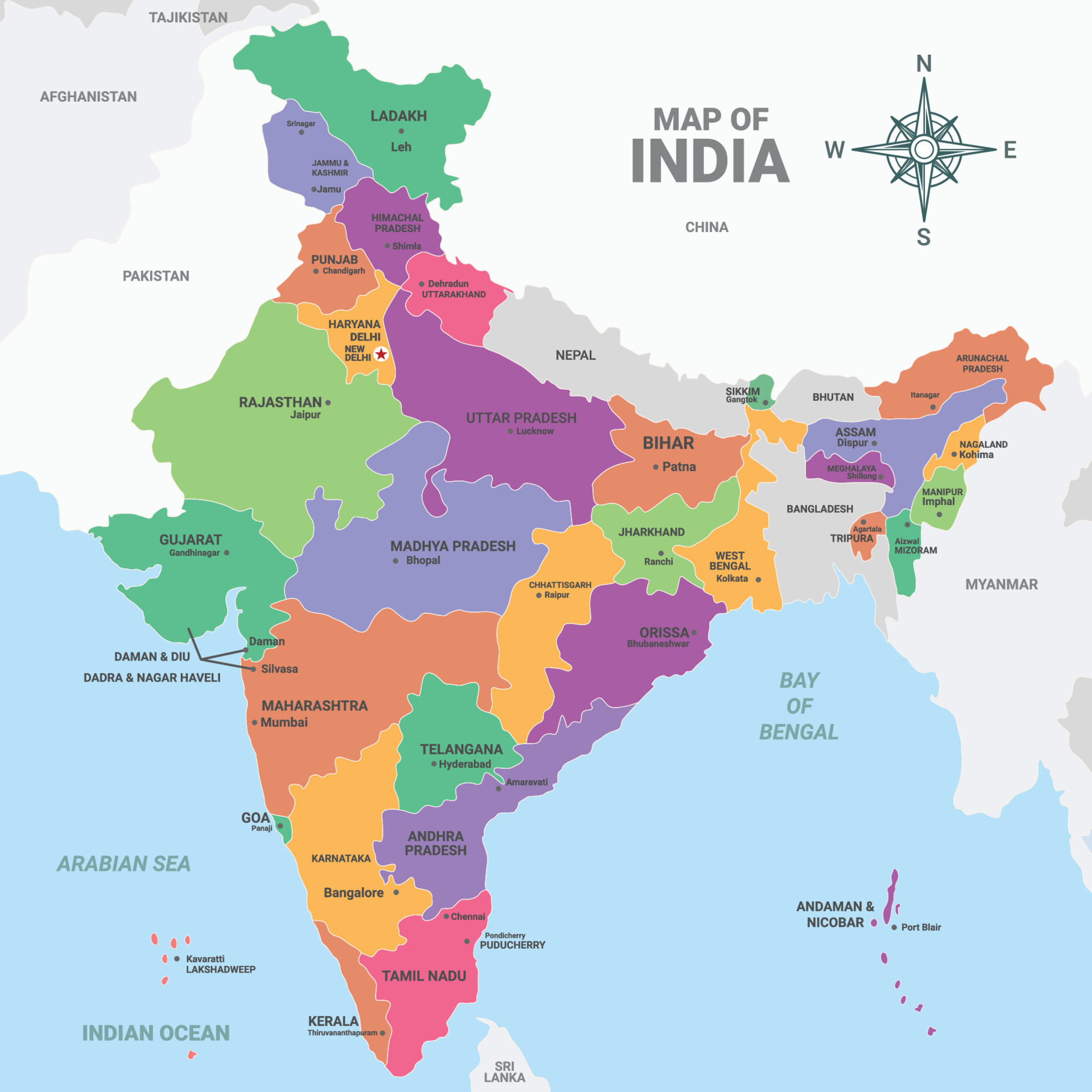
The actual breaking point happened overnight. Iran's Islamic Revolutionary Guard Corps launched a massive joint missile and drone strike targeting crucial U.S. military bases. They hit Salman Port in Bahrain, which serves as the home base for the U.S. Navy Fifth Fleet. They also targeted the Ali Al Salem Air Base in Kuwait. Air raid sirens screamed across both nations as soldiers scrambled for cover.
Tehran claims this was a direct response to recent American strikes. Just a day earlier, the U.S. military hammered Iranian coastal surveillance systems, air defenses, and anti-ship missile sites. Washington said those strikes were necessary punishments because Iran had been targeting commercial tankers in the Strait of Hormuz.
Iran feels it must use its geographic position to force a stalemate. If you control the narrowest choke point for global oil, you hold a massive hammer over the world's most powerful military. They used that hammer, hitting three separate tankers earlier in the week.
The U.S. Central Command reported hitting more than 60 small IRGC boats during its retaliatory operations. The aerial photos released by CENTCOM show dozens of these fast-attack craft crowded together before being struck. The military says these operations impose a heavy cost on Iran for violating freedom of navigation. Iran says the U.S. broke the ceasefire first by bringing back harsh economic sanctions.
The Treasury Department Killed the Deal Early
While the military fireworks made the headlines, the real death blow to the interim agreement happened in Washington on Tuesday. Treasury Secretary Scott Bessent revoked a critical general license that allowed Iran to sell its crude oil and petrochemical products.
When the interim deal was signed on June 17, the U.S. promised a 60-day window for negotiations. The goal was to hammer out a permanent peace treaty by August 21. As part of that good-faith gesture, the Treasury issued a license on June 22 allowing Iranian oil to flow temporarily.
But indirect talks in Qatar collapsed last week without making a single inch of progress. Once those talks fell apart, Washington decided to squeeze the economic vice again. The Treasury gave international buyers until July 17 to wind down all transactions with Iran.
Iran's foreign ministry went ballistic. They immediately condemned the move, calling it a blatant violation of the framework agreement. From Tehran's perspective, you can't ask for peace talks while actively cutting off their primary source of national income. They warned that Washington would bear every bit of responsibility for the consequences. Within hours, the drones and missiles were flying toward Bahrain and Kuwait.
Shockwaves Ripping Through Global Markets
The immediate casualty of Trump's announcement is your wallet. Energy markets reacted instantly to the news from Ankara. Oil prices didn't just creep up, they surged to a two-week high, and they show no signs of stopping.
Shipping data shows a terrifying picture in the Middle East. At least four major oil and gas tankers turned completely around rather than attempting to risk the passage through the Strait of Hormuz. Captains simply aren't willing to gamble with a multi-million dollar ship and a crew's lives when missiles are actively flying.
This isn't a localized problem. Global bond markets tumbled on Wednesday morning. Investors are terrified that a prolonged war will send inflation spiking back out of control just as central banks were starting to get a handle on it.
Financial analysts are already rewriting their predictions for the rest of the year. Economists now expect the U.S. Federal Reserve to push through a quarter-point interest rate hike by October. The European Central Bank will likely beat them to it with a hike in September. Both of these moves are coming much earlier than anyone anticipated a few weeks ago. The brief summer of economic optimism is officially done.
Explosions in Ankara and the NATO Crackup
As if a renewed war in the Middle East wasn't enough, Trump used his platform at the NATO summit in Turkey to light a fire under America's closest allies. Instead of projecting a unified front, the opening day of the summit degenerated into a series of public shouting matches.
Trump stood next to NATO Secretary General Mark Rutte and blasted European leaders. He's furious that European nations refused to back his military operations against Iran. He openly complained that they wouldn't provide direct military support to American forces in the Gulf.
"I'm not happy with NATO," Trump told the press corps. "They didn't want to help us with the number one state sponsor of terror."
Then things got truly bizarre. Trump turned his anger toward Spain, calling them a terrible partner that refuses to pay its fair share of defense spending. Madrid has been vocal lately, explicitly rejecting Washington's constant demands for European nations to sharply increase their military budgets.
Trump's response was to announce that he ordered the Treasury to cut off all trade business with Spain. He called the country a wasted cause. This announcement completely blind-sided European diplomats who were hoping to spend the summit discussing support for Ukraine. British Prime Minister Keir Starmer arrived at the summit facing an alliance that looks increasingly broken.
What Lies Ahead on the Battlefield
We need to look honestly at where this leaves us. The original conflict that started on February 28 was already devastating. Now that the interim framework is completely gone, there are no guardrails left.
The U.S. military footprint in the region is digging in for a long fight. Pentagon officials say the latest strikes successfully degraded Iranian drone launch sites and surface-to-air systems, but Iran has spent decades preparing for exactly this type of asymmetrical warfare. They don't need a massive navy to cause chaos. They just need enough cheap drones and mines to keep the Strait of Hormuz closed.
Diplomats from Pakistan and Qatar are trying to see if any backchannel communication can be saved, but the rhetoric makes that almost impossible. Just a month ago, Trump was saying the new Iranian leadership under Mojtaba Khamenei was far less radicalized and had a decent reputation. That tone is ancient history. You don't go back to the negotiating table right after calling your opponent sick scum on global television.
If you are managing investments or running a business that relies on global supply chains, you need to prepare for a volatile second half of the year. The assumption that the Middle East war would be settled by late summer is dead. Expect shipping costs to rise, expect oil volatility to remain high, and prepare for those interest rate hikes in the fall. The interim accord is history, and the real conflict is just getting restarted.