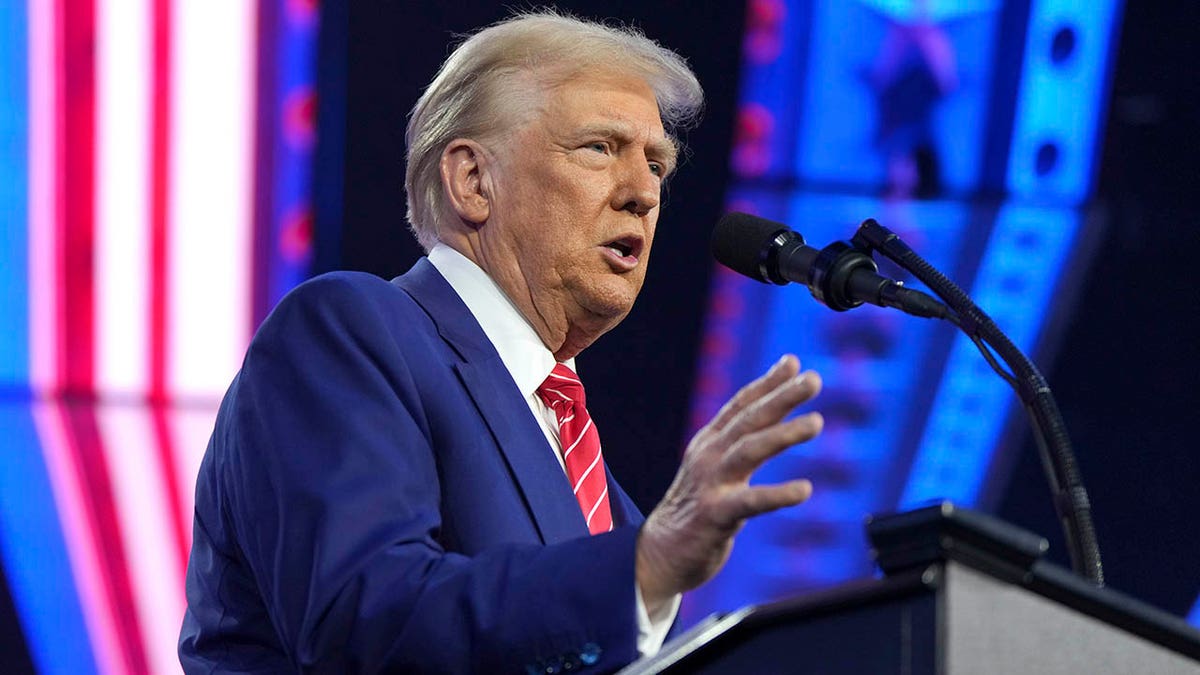
Trump stood in the East Room of the White House and told the nation that the US is winning big in Iran. He promised we’ll see the "fruits" of this military campaign "very, very shortly".
But let's look at the actual facts on the ground.
At the exact moment he was speaking, US warships, fighter jets, and drones were wrapping up their sixth consecutive night of airstrikes against Iranian targets. Air defense systems were lighting up across the Middle East. Missiles were flying, bridges were collapsing, and regional shipping was at a virtual standstill.
Claiming victory in the middle of a rapidly expanding war isn't just bold. It's incredibly risky.
The administration wants you to believe that a few days of heavy bombing have forced Tehran to its knees. Press Secretary Karoline Leavitt told reporters that Iran is practically begging for a deal because they're taking "devastating blows".
But if you look past the White House spin, a much darker picture emerges. We aren't close to a clean diplomatic win. We're on the edge of a massive regional war that could drag the US into a deep, unpredictable quagmire.
The Reality Behind the Six Nights of Airstrikes
To understand why the administration's claims are so shaky, you have to look at what's actually happening in the skies.
This isn't a minor border skirmish. According to US Central Command, the military is running a massive campaign called Operation Epic Fury. Over 50,000 US service members are currently operating in the region, completely on high alert.
During the latest wave of strikes, US forces hit dozens of targets inside Iran. They bombed coastal surveillance outposts, air defense radar stations, and military logistics hubs. They even targeted infrastructure, including key bridges like the ones in Bandar Khamir, to cripple Iran's domestic supply lines.
The stated goal is simple. The US wants to break Iran's chokehold on the Strait of Hormuz. That narrow waterway is the lifeblood of global oil trade, and Tehran has essentially blocked commercial shipping there for weeks.
But bombing a nation's internal infrastructure doesn't usually make them back down. It usually makes them desperate.
And a desperate Iran is incredibly dangerous. Instead of retreating, Tehran has already started striking back. They hit a US special operations command center in Syria's al-Tanf region. They targeted American military facilities in Kuwait. They even launched a drone strike on a base in Jordan.
This isn't what winning looks like. This is what a dangerous, runaway escalation looks like.
How the Islamabad Agreement Fell Apart
The administration’s current confidence is especially strange when you realize they just watched their own diplomacy fall apart.
Just a few weeks ago, there was hope. The US and Iran had signed the Islamabad Memorandum of Understanding. It was supposed to be a historic breakthrough, negotiated in part during high-level technical talks in Switzerland. Trump was already taking victory laps back then, telling Senate Republicans that the war was "going very well" and that Iran was making "very big concessions".
He insisted that Iran had agreed to let American inspectors join the International Atomic Energy Agency to examine damaged nuclear sites.
Tehran immediately denied the claim. They accused the US of distorting the agreement. Within days, the entire Islamabad framework collapsed. The ceasefire ended, and the bombs started falling again.
This pattern is classic Trump diplomacy. He declares absolute victory, claims the opponent is making massive concessions, and then acts surprised when the other side walks away because the public framing doesn't match the private reality.
By pushing the "winning big" narrative so hard, the White House leaves itself very little room to negotiate. If you tell your domestic audience that the enemy is totally defeated, any actual compromise you make later looks like a weakness. That's why we're stuck in this cycle of heavy airstrikes and retaliatory drone attacks.
The Flawed Venezuela Comparison
During his national address, Trump tried to back up his Iran claims by pointing to another foreign policy issue.
"We won in Venezuela," he said, claiming the South American nation is now working with Washington to produce millions of barrels of oil. He used that as proof that his aggressive, pressure-heavy style works.
But comparing Venezuela to Iran is a massive strategic mistake.
Venezuela’s military and economic power is a fraction of Iran's. Venezuela doesn't have a network of highly armed proxy forces spread across multiple neighboring countries. They don't have thousands of ballistic missiles capable of hitting US bases or allied capitals. They can't easily shut down a global shipping lane that handles a fifth of the world's petroleum consumption.
Iran can do all of those things. And they're already doing them.
Tehran has instructed Houthi rebels to target oil routes in the Red Sea if the US continues hitting its domestic power grid. They have mobilized militias in Iraq and Syria to launch daily rocket attacks against US positions.
When you bomb Iran, you aren't just fighting one country. You're triggering a regional network designed specifically for asymmetric warfare. Relying on the Venezuela playbook to solve a Middle Eastern crisis shows a fundamental misunderstanding of the region's dynamics.
What the Fruits of This Campaign Will Actually Cost Us
So, what are these "fruits of labor" that Trump promised we will see very shortly?
If the administration gets its way, the intense pressure will force Iran back to the negotiating table on Washington’s terms. They want a brand new, highly restrictive deal that permanently dismantles Iran's nuclear ambitions and stops its regional military expansion.
But that's an incredibly optimistic scenario. The far more likely outcome is a protracted, bloody conflict that has massive global consequences.
Here is what we are actually likely to see in the coming weeks:
- Skyrocketing energy prices: With the Strait of Hormuz heavily contested and the Red Sea threatened, global shipping insurance rates are going to explode. Even if the US military keeps the lanes open, the sheer risk of transit will drive up oil prices, hitting consumers directly at the pump.
- A wider proxy war: Iran's military leaders have made it clear they won't stand down. General Abolfazl Shekarchi warned that if Iranian infrastructure is attacked, they will retaliate against US and allied infrastructure across the entire Middle East. That means oil fields, desalination plants, and ports in neighboring Gulf states are now active targets.
- Deepening alliances with US adversaries: The harder the US presses Iran, the closer Tehran will run to Moscow and Beijing. We're already seeing intelligence sharing and economic coordination reach record highs.
How to Prepare for the Fallout
This escalation isn't just a political talking point. It has real, practical consequences for global markets and businesses. If you're trying to navigate the economic reality of this conflict, you need to take active steps right now.
Secure Your Supply Chains
If your business relies on maritime shipping, you need to audit your routes immediately. The Red Sea and the Persian Gulf are highly unstable. Expect major shipping delays, sudden port closures, and rising freight costs. Look for alternative overland or air routes where possible, even if they cost more upfront.
Hedge Against Fuel Price Spikes
Energy volatility is here to stay for the foreseeable future. If you run a logistics, manufacturing, or transport-heavy operation, look into fuel hedging strategies to lock in prices before regional escalation drives crude oil past sustainable levels.
Monitor Regional Travel Advisory Updates
If you have employees, contractors, or operations in the Middle East—especially in Iraq, Kuwait, Jordan, or the UAE—ensure you have robust security protocols and evacuation plans in place. The threat of retaliatory rocket and drone strikes on US-affiliated facilities is at its highest level in years.
Trump's "winning big" rhetoric makes for a great primetime television hook. But wars aren't won on television. They're won through clear strategic objectives, sustainable military operations, and realistic diplomacy. Right now, the US has none of those in Iran. We have plenty of bombs, plenty of tough talk, and a rapidly escalating war that nobody seems to know how to stop.
For a deeper look into how these escalating regional strikes are impacting global markets and defense strategies, you can watch this report on Trump's Claim of Big Concessions Amid Iran Peace Talks to understand the diplomatic back-and-forth preceding the latest military escalation.