The rain had barely stopped soaking the National Mall before the real storm started online. Hours after delivering a delayed midnight speech for America's 250th anniversary, Donald Trump bypassed the usual post-holiday rest. He went straight to Truth Social. Instead of sticking to standard patriotic platitudes, he spent his post-July 4 wind-down doing what he does best. He aired grievances, blasted a federal judge, and bragged about his highly controversial construction projects reshaping Washington.
It was a classic display of the Trump communications strategy. He seamlessly blends state pageantry with personal political scores. For anyone watching the massive Semiquincentennial celebrations, the sudden shift from national unity to hyper-targeted legal warfare felt jarring. But for those who follow his digital patterns, it was entirely predictable.
The nation's 250th birthday was supposed to be a grand showcase of American history. Instead, the weekend became a backdrop for Trump's ongoing battles against the legal system and his grand architectural visions for the capital city.
The Midnight Speech and the Digital Aftershocks
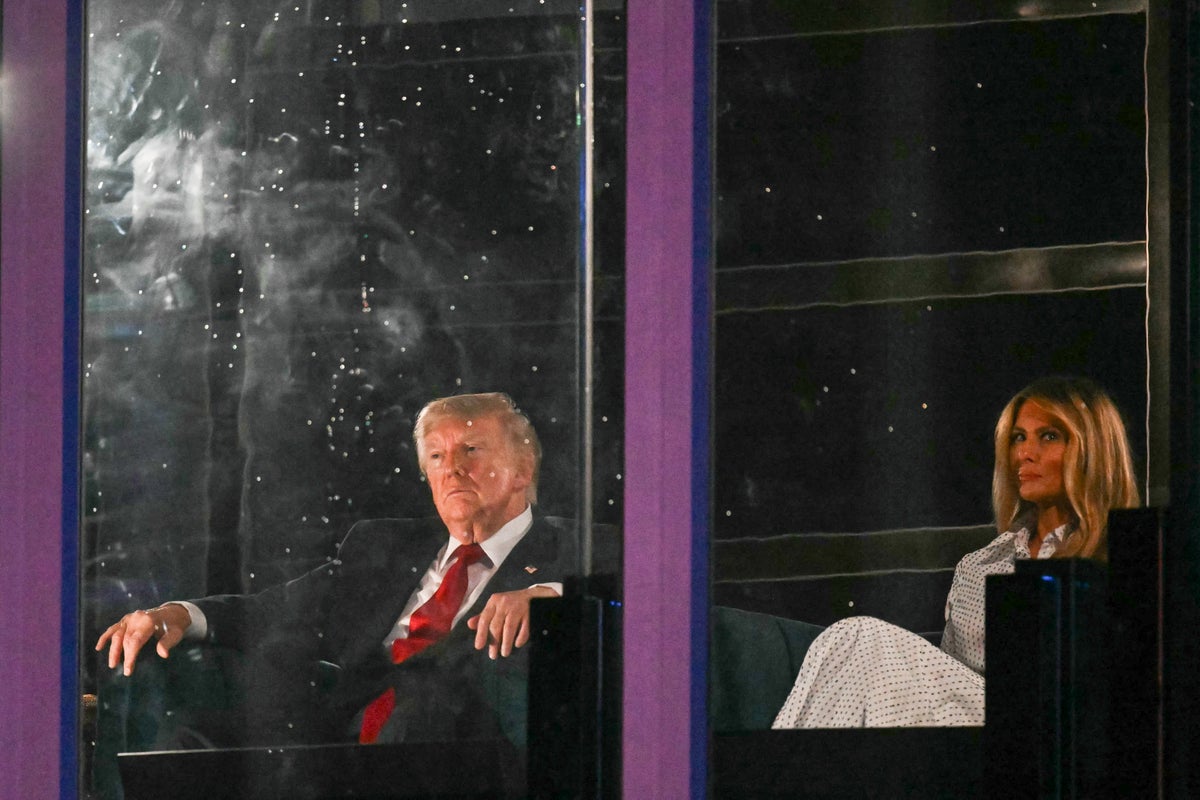
The weather on July 4 did not cooperate with the administration's elaborate plans. Severe summer thunderstorms rolled through Washington, forcing security teams to evacuate hundreds of thousands of people from the National Mall. Attendees packed tightly near the Washington Monument, waiting out a brutal downpour while organizers scrambled behind the scenes.
Trump waited out the delay in a holding room. A live television pool feed caught a bizarrely candid moment where he stood waving at his own image on a broadcast monitor, tracking the tape delay with a grin. He eventually posted a reassurance to his followers, telling them he would be out there no matter what and urging everyone to have some fun despite the late hour.
When he finally took the stage around 11:00 p.m., the tone shifted from standard presidential address to something much more partisan. By the time the record-breaking fireworks show lit up the sky, it was past midnight. The crowd was exhausted, wet, and politically divided.
The real insight into his mindset came the following morning. The patriotic imagery was quickly replaced by a flurry of posts targeting the federal judiciary and promoting his administration's massive infrastructure plans. Trump used the massive public attention from the weekend to redirect the spotlight back onto his personal brand, his legal enemies, and his ongoing effort to physically alter the look of Washington.
The Legal Battle Blocking the Four Hundred Million Dollar Ballroom
The primary target of Trump's post-holiday digital wrath was the ongoing legal gridlock surrounding his ambitious White House expansion. For months, the administration has pushed forward with a massive plan to completely overhaul the East Wing. The centerpiece of this initiative is a sprawling, $400 million ballroom designed to host up to 1,000 guests for state dinners and diplomatic receptions.
Supporters argue that the current White House lacks the space to host large-scale modern events without relying on temporary tents on the lawn. They claim a permanent, grand venue is a necessary update for a global superpower. Critics see it as a vanity project that damages the historic integrity of the executive mansion.
The dispute boiled over into federal court when the National Trust for Historic Preservation filed a major lawsuit to halt the project. Preservation advocates argued that tearing up the historic grounds violated federal guidelines. A federal judge stepped in and issued an injunction that ground the above-ground construction to a halt.
That injunction is what clearly drove the post-Fourth of July social media tirade. Trump blasted the judicial system for interfering with his executive authority, claiming that activist judges were sabotaging projects meant to honor the country. The administration has tried to bypass the ruling by continuing underground work. Court filings show that workers are simultaneously modernizing and expanding the historic bunker systems beneath the East Wing, which dates back to the Franklin D. Roosevelt era.
The legal standoff has created a massive logistical mess right outside the Oval Office. Construction equipment sits idle while lawyers trade filings over architectural blueprints, security upgrades, and a proposed rooftop drone port meant to shield the complex from modern aerial threats.
Making the Lincoln Memorial Blue Again
The ballroom isn't the only Washington landmark Trump chose to focus on during his post-holiday commentary. He also used the moment to defend his administration's aggressive interventions at the National Mall, specifically the controversial $15 million renovation of the Lincoln Memorial Reflecting Pool.
The reflecting pool has long been a symbol of American convergence. It hosted iconic moments like Martin Luther King Jr.’s speech during the March on Washington. Yet the pool has historically suffered from severe algae growth and murky water, an issue that became a frequent talking point for the administration. Trump took direct credit for changing the chemical management of the water, boasting that his team had finally made the pool clear and bright blue.
That boast immediately drew pushback from local historians and park officials. Some of his own top aides have subtly contradicted his claims about what caused the algae issues in the first place. Preservationists argue that turning a historic water feature into something resembling a suburban swimming pool destroys its architectural intent.
The focus on these construction projects highlights a core element of the Trump philosophy. He views political success through the lens of physical real estate. To him, reshaping the physical layout of Washington is tangible proof of political dominance. Whether it is an expanded ballroom, gold-trimmed monument restorations, or a bright blue reflecting pool, these projects are designed to serve as lasting monuments to his time in office.
Why Personal Grievance Always Wins Over National Unity
The rapid transition from celebrating the nation's independence to attacking a federal judge reveals a deeper truth about the current political climate. The concept of a non-partisan national holiday has largely disappeared in Washington. Previous administrations generally used the Fourth of July to step back from daily political brawls. Trump does the exact opposite. He treats the massive audience as a captive market for his ongoing political campaign.
This dual focus on physical building projects and legal battles is not accidental. The two concepts are deeply tied together in his rhetoric. He frames his construction projects as gifts to the American people that are being actively stolen or delayed by a corrupt, unelected judicial system. By attacking the judge who halted the ballroom project right after a major national celebration, he effectively links his personal legal frustrations to the patriotic pride of his base.
It also serves as an effective distraction. The Freedom 250 events faced significant logistical criticism. Stage segments reportedly suffered structural issues during rehearsals, major musical acts pulled out of the weekend lineup, and local residents complained bitterly about the heavy military presence damaging city streets. By shifting the conversation to an aggressive defense of his D.C. build projects and an attack on a familiar legal foil, Trump successfully changed the narrative from logistical hiccups to a high-stakes battle over his executive vision.
What Happens Next for Washington Capital Projects
The political fight over the physical layout of Washington is going to intensify as the administration pushes toward the upcoming midterm elections. The legal battles over the White House expansion are currently sitting before the D.C. Circuit Court of Appeals. A final ruling on the above-ground ballroom construction is expected any day now, and the administration is still publicly targeting a 2028 opening date for the facility.
For observers of American politics, the post-Fourth of July Truth Social storm offers a clear roadmap of what to expect over the coming months. There will be no softening of rhetoric, and there will be no attempts to build bridges with political opponents. The administration will continue to use every national milestone as leverage to push through its physical and legal agendas.
If you want to track how this battle unfolds, keep your eyes on the federal court dockets and the construction fences along Pennsylvania Avenue. The physical transformation of the capital city has become the ultimate proxy war for the future of American governance, and neither side shows any sign of backing down. Watch the appellate court rulings closely this month, as the upcoming decision on the East Wing ballroom will set the precedent for just how far an administration can go in altering historic federal property.