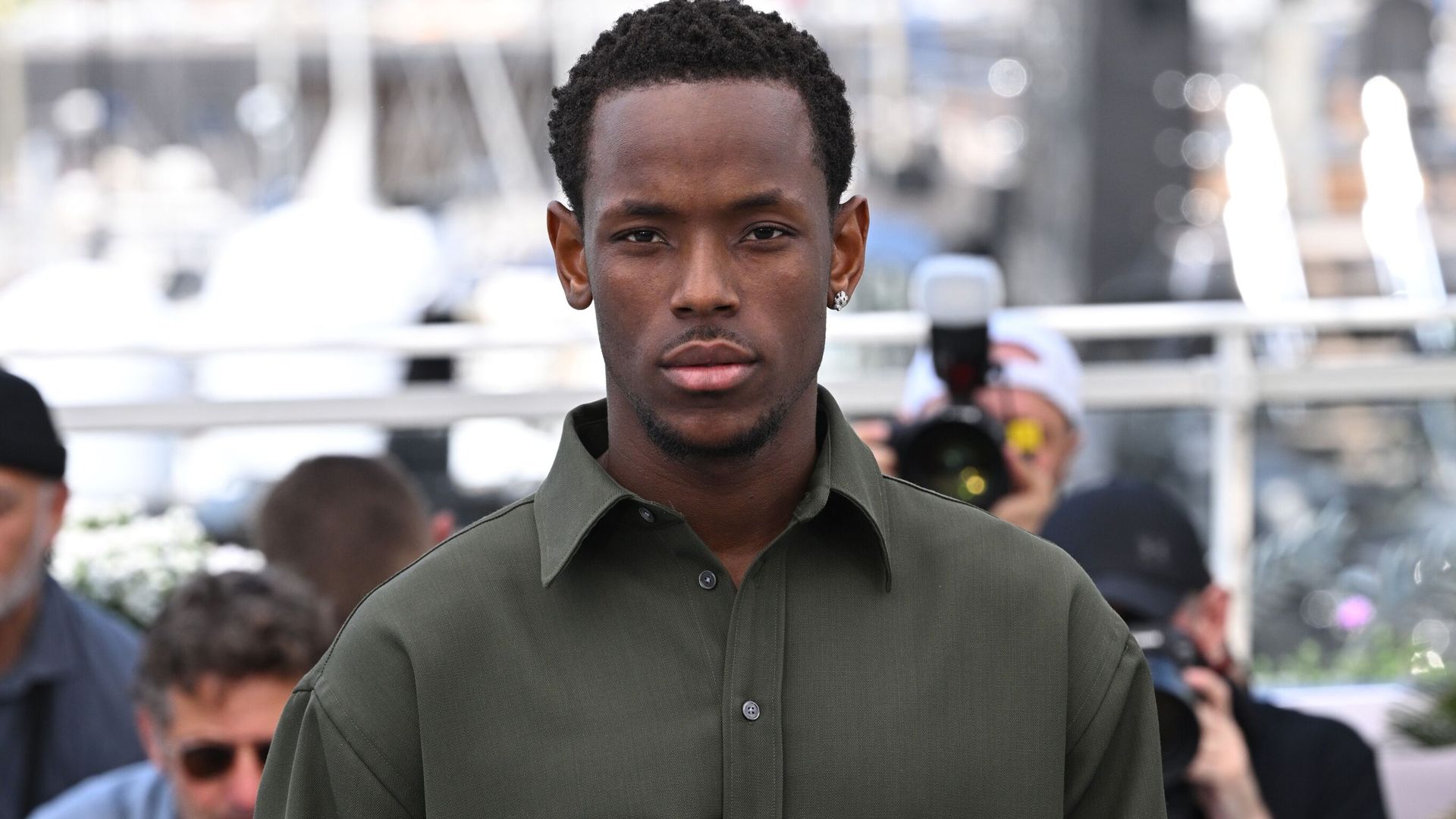
The trial of BAFTA-winning actor Micheal Ward has cast a bright spotlight on how sexual assault allegations play out in the modern legal system. Known for his breakthrough role as Jamie in the hit Netflix series Top Boy, the 28-year-old actor faces serious charges at Snaresbrook Crown Court. The prosecution alleges that he raped and sexually assaulted a woman in the back of a car following a nightclub gathering in East London back in January 2023. Ward has strongly rejected these claims, maintaining that everything that happened between them was entirely mutual.
This case cuts straight to the core of why consent-based trials are incredibly difficult to navigate. There's often no physical evidence of a struggle, leaving the jury to unpack two completely conflicting narratives.
The Conflicting Accounts in the Back of a Car
The case revolves around an incident that took place after an afterparty in Stratford. According to the complainant's police interviews played to the jury, she felt overwhelmed by the actor's presence. She claimed Ward gave her strict instructions to walk behind him and avoid speaking to anyone as they headed toward a vehicle. Once inside, she stated that she felt "numb" and "scared," alleging that Ward explicitly ignored her objections and told her, "If I tell you to do it, you do it".
Ward's defense paint a radically different picture. When cross-examined, Ward flatly denied that he was single-mindedly intent on getting his way regardless of her feelings. His legal team emphasizes that the encounter involved consensual foreplay and sex. The defense strategy highlights the immense pressure placed on juries when a case boils down to a classic "he said, she said" scenario, where intent and communication are interpreted in polar opposite ways.
The Complication of Post-Incident Behavior
One of the biggest hurdles for the prosecution involves messages sent by the woman to Ward after the alleged assault took place. She initially withheld these text conversations from the police, later explaining to the court that she felt deep embarrassment and lacked a clear explanation for why she continued to message him.
This specific detail highlights a major point of discussion in modern criminal law. Legal experts and victim advocacy groups consistently point out that human behavior following a traumatic event is rarely predictable. People react to trauma in deeply complex ways, sometimes attempting to normalize the situation or maintain a sense of safety by keeping up appearances. However, defense attorneys routinely use these post-incident interactions to cast doubt on the victim's credibility, making it a critical battleground in the courtroom.
What Happens Next in the Legal Process
Micheal Ward faces two counts of rape, two counts of assault by penetration, and one count of sexual assault. He remains on conditional bail as the trial proceeds, with strict orders not to make any contact with the complainant.
For the jury, the task ahead requires meticulously weighing the credibility of both testimonies without letting the actor's high-profile celebrity status cloud their judgment. The outcome will rest entirely on whether the prosecution can prove beyond a reasonable doubt that consent was genuinely absent and that Ward knew it was absent.
To stay informed on how this case unfolds, you can follow official UK court logs or track daily reporting updates from accredited legal journalists covering the London circuit.