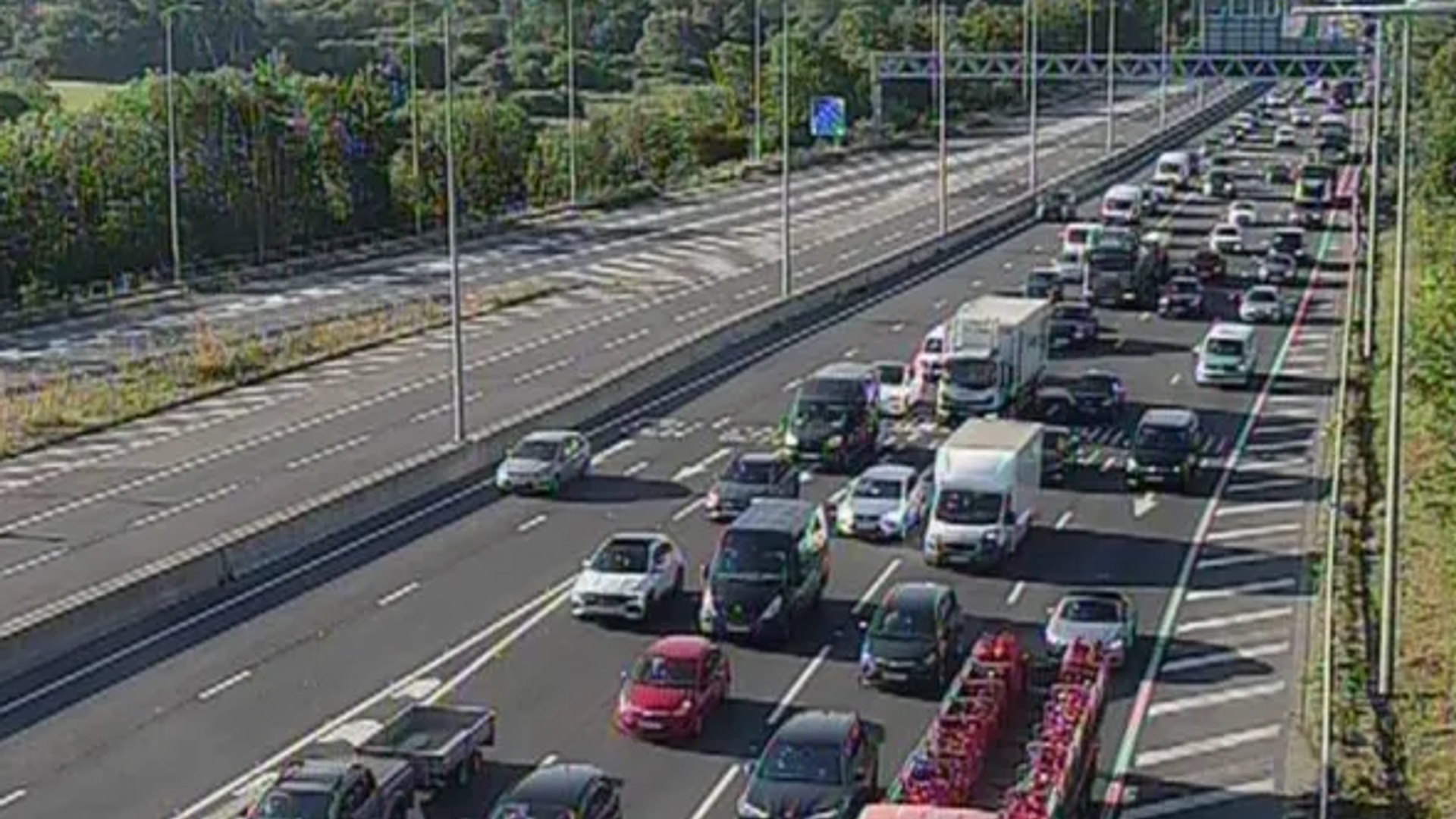
A man went to work on the M23 motorway last night and never came home. He wasn't speeding or taking risks behind the wheel. He was doing his job, working to keep the roads safe for the rest of us. Around 1:00 AM on Wednesday, July 8, 2026, a tragic incident occurred on the southbound carriageway near Junction 9. A 65-year-old highways worker from Kent was hit by a van and pronounced dead at the scene.
The incident reminds us of the dangers people face when working on live motorways. The driver of the van, a 38-year-old man from Croydon, was quickly arrested on suspicion of causing death by dangerous driving and drink-driving. As Sussex Police continue their investigation under the name Operation Oakcross, the aftermath has caused widespread travel chaos for anyone heading toward Gatwick Airport.
This tragedy highlights the ongoing conversation about roadside worker safety and driver responsibility. It shouldn't take a fatal crash to make drivers slow down, but here we are.
What Happened on the M23 Southbound Near Junction 9
Emergency services rushed to the scene just before 1:00 AM following reports of a severe collision between a commercial van and a pedestrian worker. The impact occurred right by the Gatwick Interchange. Despite the rapid arrival of the South East Coast Ambulance Service and Sussex Police, the 65-year-old worker could not be saved. His family has been notified, and they are now dealing with an unimaginable loss.
The driver of the van didn't get away. Police arrested the Croydon man on two incredibly serious counts: drink-driving and dangerous driving. He remains in custody.
The physical reality of the crash scene was stark. Images from the location showed an empty, eerie motorway blocked off by rows of flashing lights and bright orange cones. Debris lay scattered across the lanes while forensic collision investigators spent hours meticulously documenting the area. Because of the severity, National Highways closed the entire southbound stretch from Junction 8 at the M25 interchange all the way down to Junction 10 for Crawley.
The Massive Ripple Effect on Gatwick Airport Travelers
If you've ever had to catch a flight at Gatwick, you know how stressful the journey can be under normal circumstances. When a major artery like the M23 shuts down completely, that stress turns into outright panic. Gatwick Airport quickly issued an urgent warning to all passengers traveling by car, telling them to leave substantial extra time or find alternative routes.
The closure forced thousands of vehicles off the motorway and onto local diversion routes. Drivers faced heavy congestion as traffic diverted via Junction 6 at Godstone, filtering down the A22 southbound and back across the A264 westbound. The surrounding local roads, including Copthorne Way, slowed to a crawl with average speeds dropping down to 15 mph during the peak morning rush.
Even the northbound side of the M23 saw unusual delays. Drivers slowed down to look at the investigation scene, or they found themselves trapped in gridlock as vehicles coming off the M25 scrambled to find another way south. National Highways expected the closure to last well into the afternoon to give the police enough time to finish their vital investigative work.
The Real Dangers Roadside Crews Face Every Night
People easily forget that highways workers are incredibly exposed. They stand just feet away from multi-ton vehicles traveling at high speeds, often in the pitch black of night. While smart motorways and variable speed limits aim to protect them, those systems only work if drivers actually pay attention to the signs.
The statistics surrounding roadside work zone accidents are sobering. Every year, hundreds of near-misses and serious collisions occur because drivers fail to spot lane closures or ignore red "X" signals. Road crews use heavy buffer trucks and clear signage, but a distracted or impaired driver can bypass those protections in a split second.
The risks increase exponentially after midnight. Roads are quieter, which often encourages drivers to speed up or let their guard down. Combine that with fatigue or alcohol, and the results are catastrophic. The individual who died in this M23 crash was a veteran worker from Kent. He survived years of working in this high-risk environment only to lose his life to an allegedly drunk driver.
Understanding the Legal Consequences of Dangerous Driving
The 38-year-old suspect is facing severe legal jeopardy. In the UK, causing death by dangerous driving carries a maximum penalty of life imprisonment. The court treats driving under the influence as an aggravating factor, which almost guarantees a lengthy prison sentence if convicted.
The investigation under Operation Oakcross will leave no stone unturned. Sussex Police are actively hunting for any piece of evidence that can piece together the final moments before the crash. Sergeant Chris Ambrose explicitly appealed to the public for help. They want to hear from anyone who was driving on the M23 southbound around 1:00 AM who might have seen the van or captured dashcam footage.
If you have a dashcam and drove through that area, check your files. A small detail you didn't think twice about could be the exact piece of evidence the prosecution needs to secure justice for the victim's family. You can email the team directly at collision.appeal@sussex.police.uk.
Real Steps Drivers Must Take to Prevent Work Zone Accidents
We need to change how we behave when we see roadworks. It isn't just about avoiding a speeding ticket. It's about ensuring someone goes home to their family.
First, treat every amber light and cone as an active warning that human lives are nearby. When lanes merge, do it early and smoothly. Don't try to zoom past the queue to force your way in at the last possible second. That kind of erratic driving causes sudden braking and increases the risk of a shunt.
Second, respect the red "X" signs on smart motorways. They aren't suggestions. If a lane is closed, it means there is a stranded vehicle, debris, or a human being standing in that lane further down the road.
Third, if you're driving late at night, fight off fatigue. If your eyes start to feel heavy, pull over at the next service station. A tired driver can be just as dangerous as a drunk one. Your reaction times slow down dramatically, and you can easily drift across lanes without realizing it.
How to Navigate Major Motorway Closures Moving Forward
If you find yourself caught in the middle of a major closure like the one on the M23, you need to react smartly to minimize delays.
- Check live traffic apps before you turn the key. Apps like Waze or Google Maps update faster than overhead gantry signs. They can route you around a closure before you get stuck in the queue.
- Follow the official diversion symbols. National Highways sets up specific routes marked with triangles, squares, or circles on temporary road signs. Following these keeps you on roads capable of handling diverted commercial traffic.
- Give commercial vehicles space. Large trucks and buses need more room to turn on tight local diversion roads. Don't crowd them or try to slip past them in tight spaces.
- Keep your fuel tank topped up. Being stuck in gridlock for hours drains your fuel, especially if you're running the air conditioning or heater. Never let your tank run dangerously low when embarking on a motorway journey.
The loss of this highways worker is a stark reminder that our choices behind the wheel have permanent consequences. Drive defensively, stay sober, and give roadside crews the space they need to stay alive.