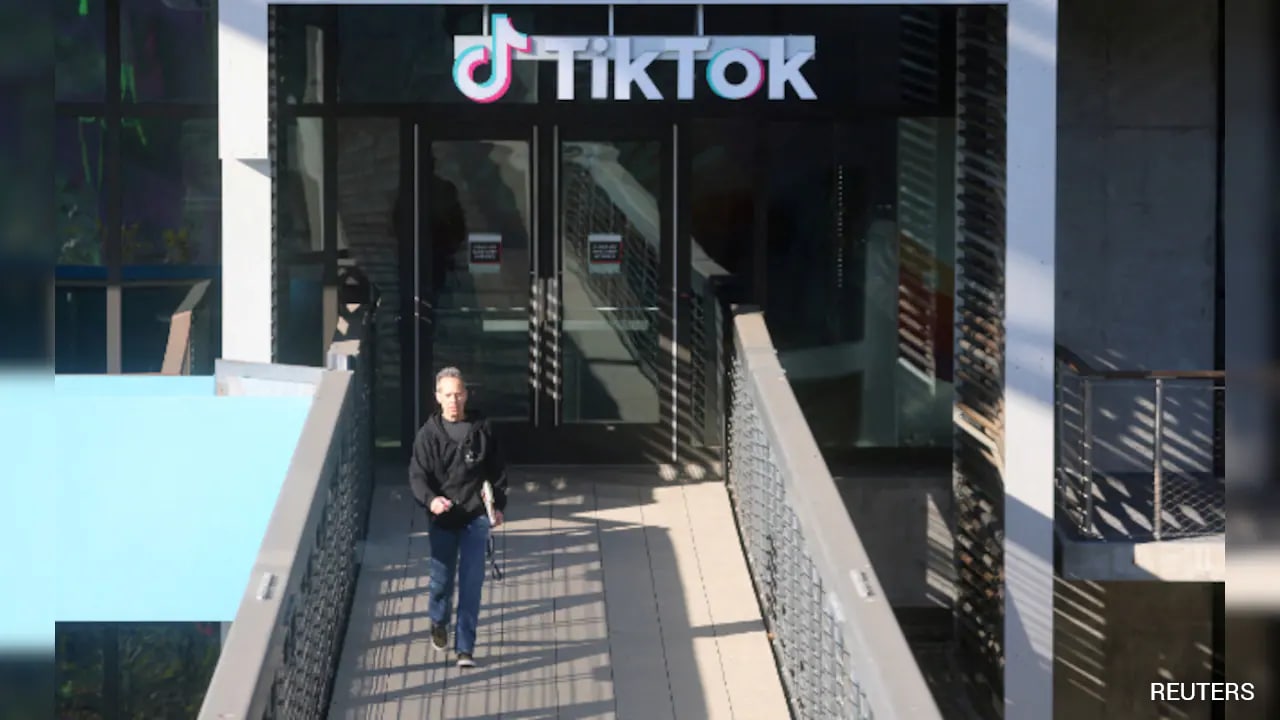
TikTok doesn't want to look a jury in the eye.
The social media giant just pulled the plug on what would have been a massive public trial. They reached a confidential settlement with a 15-year-old Florida boy, identified in court documents as R.K.C. The teenager claimed that years of compulsive scrolling broke his mental health, causing generalized anxiety disorder, major depressive disorder, and suicidal ideation.
Jury selection was coming up fast for the July 27 trial in Los Angeles. By cutting a check and swearing everyone to secrecy, TikTok managed to skip town just in time. YouTube did the exact same thing last week.
This isn't a one-off corporate hiccup. It's a calculated legal strategy, and it tells us everything we need to know about the legal panic currently gripping Big Tech.
The Fear of the Six Million Dollar Precedent
To understand why TikTok paid to avoid this courtroom, you have to look at what happened in March.
During the nation's very first "bellwether" social media addiction trial, TikTok and Snap both settled early. Meta and Google decided to roll the dice with a jury. It blew up in their faces. The jury found both tech titans negligent, ordering them to pay $6 million to a young woman who developed severe mental health issues after becoming addicted to Instagram and YouTube as a kid.
That verdict changed the math.
A bellwether trial is essentially a test case. When you have more than 10,000 individual cases and 800 school district lawsuits piled up across the country, courts pick a few representative cases to try first. These early trials show everyone what a jury thinks a case is worth.
The March verdict proved that everyday people are furious with how these platforms treat kids. TikTok saw the writing on the wall. By settling this second case in secret, they avoid setting another concrete number that other plaintiffs can use as leverage. They don't admit any liability, they don't have to change their code, and they keep their internal documents out of the public record.
It's the Product Design, Stupid
For years, social media companies felt invincible. They hid behind Section 230 of the Communications Decency Act, a federal law that says internet platforms aren't responsible for what users post. If a kid saw a dangerous viral trend or harmful content, the platforms claimed immunity.
The lawyers fighting these addiction cases realized they had to change the play. They stopped focusing on what kids were watching and started focusing on how the app works.
The Florida teen’s legal team argued that features like infinite scroll, autoplay, and aggressive push notifications are defective product designs. These tools weren't built to entertain; they were built to manipulate a developing brain's dopamine pathways and maximize screen time for profit.
Los Angeles Superior Court Judge Carolyn Kuhl agreed with this logic. She ruled that these features are features of product design, not protected free speech. That single ruling stripped Big Tech of its favorite shield. It forces them to defend their engineering choices, not their community guidelines.
Meta and Snap Are Left Holding the Bag
With TikTok and YouTube successfully buying their way out of the July 27 trial, Meta and Snap are now the only defendants left facing the jury.
The dynamics of this trial are going to look a lot different than the first one. The March trial focused on a young woman's experience. This upcoming case centers on a teenage boy who began using these platforms when he was just eight years old. His legal team is pointing out that the psychological impacts of algorithmic manipulation can look entirely different in young boys, giving the jury a brand new set of circumstances to evaluate.
The pressure on Meta is getting ridiculous. They're heading into their second consecutive trial as the lone company refusing to settle. They already lost a massive school district lawsuit in Kentucky, where they had to chip into a $27 million settlement alongside other platforms. If this second Los Angeles jury returns another multimillion-dollar verdict against them, the floodgates will open, and Meta will find itself completely isolated.
What to Do If Your Family Is Caught in the Loop
If you're watching these legal battles unfold and realizing your own kid's screen time has morphed into something darker, you don't have to wait for a historic class-action settlement to fix things. The courts are slow, but your home environment doesn't have to be.
- Audit the design, not just the content. Go into the app settings and aggressively turn off everything that automates consumption. Disable autoplay on every device. Turn off push notifications entirely so the phone stops buzzing them back into the loop.
- Move the charger out of the bedroom. The Florida lawsuit highlights how late-night scrolling destroys youth sleep cycles, which directly feeds depression. Establish a strict rule: phones charge in the kitchen past 9:00 PM.
- Document the shift. If your child is exhibiting severe mental health declines linked to compulsive app use, keep a log of their screen time, behavioral changes, and any medical or therapy visits. The litigation landscape is shifting fast, and having a clear record matters if you ever choose to consult a legal professional.
TikTok's quiet exit from this trial proves they know exactly how vulnerable their algorithm is under real legal scrutiny. They can hide behind confidential settlements for now, but with thousands of cases still waiting in the wings, they can't buy their way out of the spotlight forever.