You might have noticed a specific pattern when a diplomat leaves a comfortable post. Usually, there's a polite letter, some handshakes, and a smooth transition to a corporate board or a university chair. That didn't happen when Mohamad Safa walked away from his position. Instead, his departure became an explosive media moment that connected a hidden diplomatic rift with a public digital feud involving one of the richest men on earth.
People are looking up Mohamad Safa because his name keeps popping up at the intersection of heavy geopolitics and internet culture. He went from making wild claims about nuclear strategies inside the United Nations to getting into verbal fights over the rise of street violence and Islamophobia in the United Kingdom. If you want to understand how an activist leverages international credentials to challenge powerful figures like Elon Musk, you have to look past the standard news headlines.
The Resignation That Shocked the United Nations
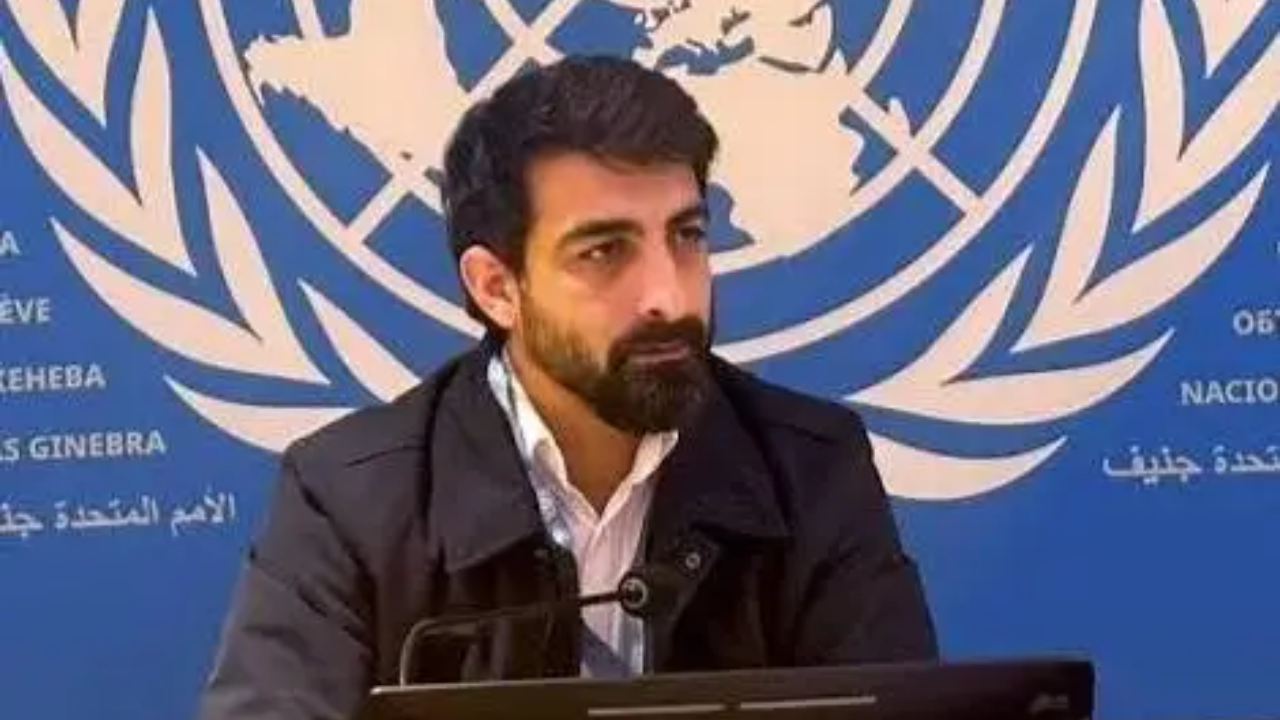
In late March 2026, the diplomatic community inside the United Nations Economic and Social Council faced an unexpected crisis. Mohamad Safa, who spent nearly twelve years serving as the permanent representative and executive director for the Patriotic Vision Association, abruptly threw in the towel. He didn't just quit. He claimed he was giving up his entire career to blow the whistle on something terrifying.
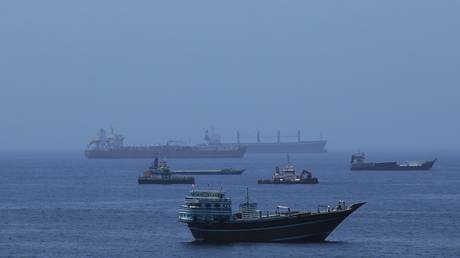
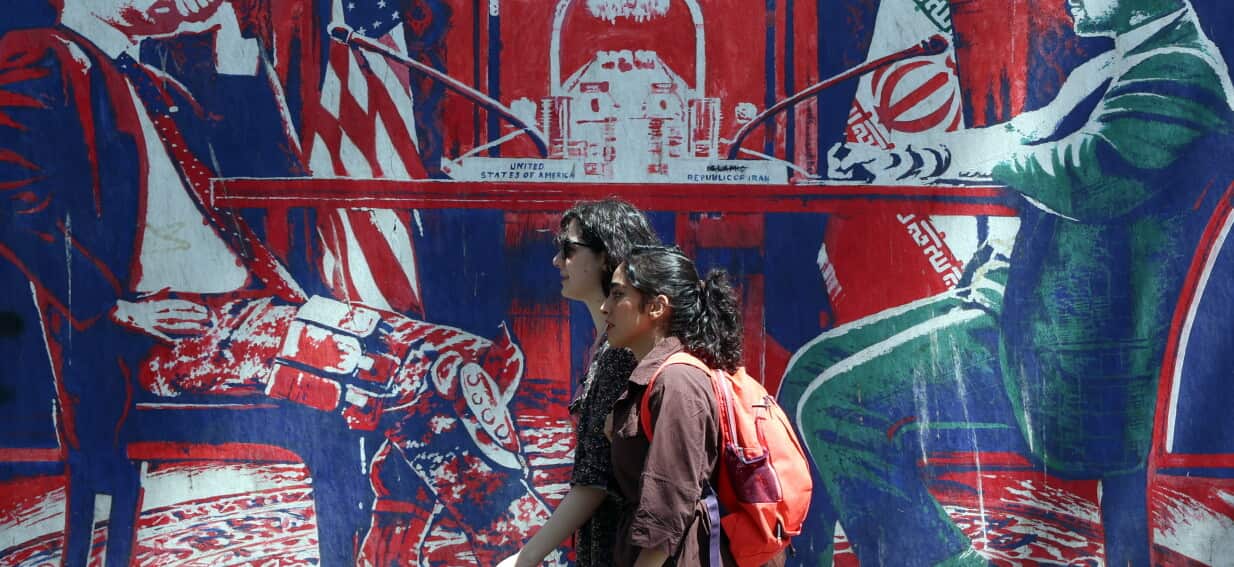
Safa went public with claims that high-ranking UN officials were quietly preparing for a scenario that involved a preemptive nuclear strike on Iran. According to his public statements, senior decision-makers had been fully co-opted by powerful lobbying groups that prioritize geopolitical dominance over global safety. He argued that the UN was actively abandoning its core mission to protect civilians, pointing to what he described as an institutional refusal to properly penalize actions in Gaza and Lebanon.
The United Nations never provided any evidence to support Safa's massive claims, and mainstream intelligence analysts treated the narrative with extreme skepticism. Yet, the sheer drama of his exit served its purpose. Safa used his massive social media following to bypass traditional press channels entirely. He posted a photo of Tehran, reminding his followers that the city holds nearly ten million working-class people, families, and children who would bear the brunt of a geopolitical miscalculation. He openly labeled war advocates as sick, forcing a highly polished international institution to deal with a messy, public public-relations problem.
Moving the Battle to Elon Musk and the United Kingdom
Most former international representatives would lie low after making accusations about an impending nuclear conflict. Safa did the exact opposite. He shifted his focus to the growing social unrest in the United Kingdom, where street violence and anti-Muslim rhetoric had been building into a boiling point.
Safa went directly after Elon Musk on X, the platform Musk owns and operates. Safa posted a direct accusation, stating that the anti-Muslim hatred spreading across the UK is actively promoted by Musk and funded by specific Zionist interests. This wasn't just a random insult; it was a targeted strike against Musk's self-proclaimed status as a free-speech absolutist.
The tension between Musk's platform management and European social stability has been growing for years. Musk has consistently used his massive personal account to comment on British internal politics. He has weighed in on grooming gang scandals, criticized the UK government's policing strategies, and interacted favorably with figures like Tommy Robinson. By inserting himself into these highly volatile domestic issues, Musk made himself a primary target for international activists who believe his platform algorithms purposefully boost toxic narratives to maximize user engagement.
Who Exactly Is Mohamad Safa
To understand how someone builds the leverage to challenge both the UN and a tech billionaire, you have to look at Safa's actual background. Born on March 8, 1991, in the small town of Borj Rahal, Lebanon, Safa did not start his journey in the traditional halls of elite Western diplomacy. His rise came through the non-governmental organization sector.
He built his reputation through the Patriotic Vision Association, an organization focused on human rights, local development, and international advocacy. Under his leadership as chief executive officer since 2015, the association secured special consultative status with the UN Economic and Social Council. This specific status is what allowed Safa to walk into UN offices in New York, Geneva, and Vienna to speak on global panels.
Safa used this access to run an aggressive campaign against what he calls Western double standards in human rights. Long before his 2026 resignation, he was using his platform to accuse social media networks of censoring pro-Palestine content at the direction of foreign government agencies. He frequently pointed out that criticizing war crimes or civilian casualties should never be conflated with antisemitism, arguing that international law must apply equally to all nations regardless of their alliances.
The Cost of Going Against the Grain
Operating as a rogue activist inside a structured diplomatic environment is an unstable way to make a living. Safa has been incredibly transparent about the heavy personal toll his activism has taken on his life. He has detailed a three-year period of escalating hostility within the UN chambers before his final departure.
According to Safa, his refusal to stick to approved diplomatic scripts resulted in:
- Direct death threats delivered to him and his family through verified social media accounts.
- Mysterious phone calls warning him to alter his rhetoric on the Middle East.
- Sudden institutional censorship and the freezing of various organizational programs.
- Physical surveillance by unidentified individuals on public streets.
He publicly blamed the UN Special Rapporteur for human rights defenders for completely ignoring his official requests for protection. This sense of isolation is precisely what drove him to his final tactical move. By frameset-quitting and taking his fight entirely online, he freed himself from bureaucratic oversight, allowing him to speak directly to a global audience that feels alienated by official state media channels.
The Broader Digital War for Public Sentiment
The clash between Mohamad Safa and Elon Musk highlights a much larger structural issue facing the modern internet. We are no longer living in an era where traditional news networks hold a monopoly on what people believe. Activists with institutional credentials can now weaponize their personal social media platforms to push narratives that completely bypass official denials.
Politicians in the UK have started echoing some of these concerns. Green Party leader Zack Polanski openly aligned with the sentiment that vitriolic rhetoric from wealthy tech figures directly shapes the conditions for real-world violence. Following a violent attack in Edinburgh that left five Muslim men injured, Polanski publicly blamed the combination of hostile political rhetoric and Musk's platform choices for fueling the fire.
Musk's defenders argue that opening up the platform to all viewpoints is necessary to counter institutional bias. They believe that suppressing controversial figures only drives resentment underground. However, critics like Safa point out a glaring contradiction. They argue that while right-wing agitators are granted total immunity under the banner of free speech, anti-war activists and pro-Palestine voices find their reach systematically throttled by shadow-banning and algorithmic adjustments.
What This Means for the Future of Diplomatic Whistleblowing
Safa's actions show that the line between a diplomat and a digital influencer has completely dissolved. When an insider decides to break ranks, they don't hide out in an embassy like Julian Assange did or leak documents to a newspaper like Edward Snowden. They jump onto a live stream, type out a viral post, and go head-to-head with the owners of the platforms themselves.
This strategy carries massive risks. Without official institutional protection, independent activists are incredibly vulnerable to financial ruin, de-platforming, and physical harm. Safa's claims about a nuclear plot against Iran may sound like an extreme thriller plot to the average observer, but to his millions of followers, it represents a brave rejection of a broken global system.
If you are looking to understand the future of international relations, stop looking exclusively at official state dinners. The real battles are happening in the comment sections, where rogue diplomats and tech billionaires fight to define what is true, what is dangerous, and who gets to speak.
Actionable Next Steps to Track This Story
If you want to look into this situation without getting caught up in the waves of digital misinformation, here is exactly what you need to do next:
- Look up the official list of NGOs with consultative status on the United Nations ECOSOC database to see how the Patriotic Vision Association's status is affected by this fallout.
- Monitor the public engagement metrics on X regarding UK community safety announcements to see if platform policy shifts follow these high-profile political arguments.
- Read the independent reports from digital rights organizations like 7amleh to understand how algorithmic filtering impacts political speech during times of intense regional conflict.
The UN Rebellion Video Analysis offers a detailed look at the public reactions and media coverage surrounding Mohamad Safa's sudden exit from his diplomatic role over the Middle East crisis.