The narrative was simple. The White House wanted to coast into the upcoming midterm elections on a wave of economic triumphalism. Instead, the June employment numbers smashed headfirst into reality.
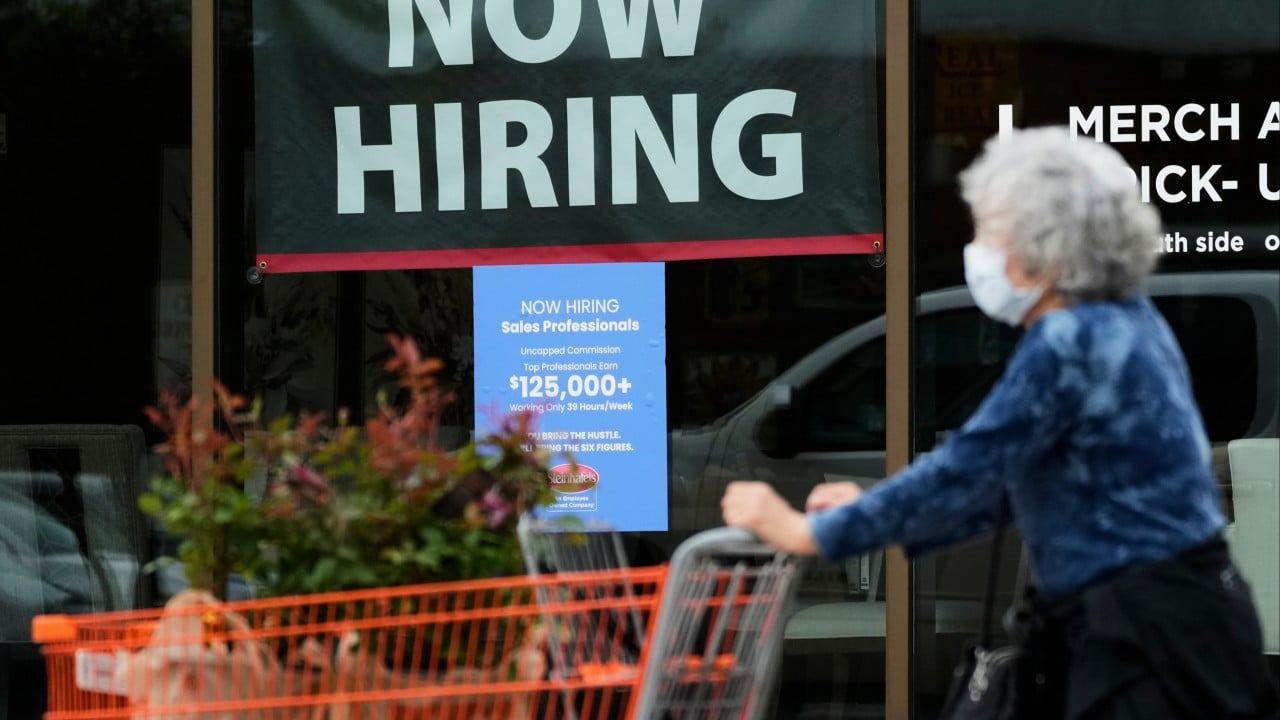
Wall Street expected a healthy addition to American payrolls. Economists predicted steady hiring. What they got was a staggering disappointment. Total nonfarm payroll employment grew by a meager 57,000 in June, according to the Bureau of Labor Statistics. When you couple that sluggish number with stubborn inflation and stagnant wages, the political firewall Republicans hoped to build around their congressional majorities suddenly looks incredibly fragile.
If you think this is just a minor blip on a monthly spreadsheet, you're missing the bigger picture. In an election year, the economy isn't just about data. It's about vibes. And right now, the economic vibes are shifting from confident to deeply anxious.
The Brutal Reality of 57000 Jobs
Let's look at what actually happened. The consensus forecast among major institutional analysts pointed toward a gain of roughly 180,000 jobs. Bringing in just 57,000 means the economy missed expectations by more than two-thirds. It's a massive miss.
Historically, an economy needs to add around 100,000 jobs a month just to keep pace with population growth. Falling so far below that baseline signals that businesses aren't just slowing down their hiring. They're effectively freezing it.
The pain isn't distributed evenly, either. For months, consumer spending kept retail and hospitality afloat. But those hiring engines have cooled off. Manufacturing is showing signs of fatigue as high borrowing costs bite into capital expenditure plans. When corporate leaders look at their Q3 projections, they don't see a reason to expand. They see a reason to hunker down.
Worse, wage stagnation is returning with a vengeance. While nominal wages crept up marginally, real wages—what your paycheck actually buys after accounting for the price of milk, gas, and rent—are slipping backward. Inflation isn't dying quietly. It's lingering, eating away at the purchasing power of the middle class while job security begins to wobble.
Why the White House Economic Script Just Flipped
For the past year, Donald Trump has pointed to record stock market highs and corporate earnings as proof that his economic agenda is working. That sales pitch works fine when people feel secure in their employment. It falls completely flat when neighbors start getting laid off.
The underlying issue is a classic economic trap. High interest rates were supposed to tame inflation without breaking the labor market. It's the elusive soft landing everyone talks about but rarely executes perfectly. The June data suggests the landing might be a lot harder than the Federal Reserve or the administration cares to admit.
Politically, this ruins the script. Voters don't go to the ballot box thinking about the S&P 500. They go to the ballot box thinking about their own bank accounts. When job growth falters, consumer confidence drops almost instantly.
Republicans have spent months arguing that their policies are the ultimate antidote to working-class anxiety. Now, they have to defend an economy that is visibly slowing down under their watch. It's a defensive position no party wants to occupy four months before a major vote.
The Midterm Math Just Got Harder
Midterm elections are almost always a referendum on the sitting president and the party in power. If the economy feels shaky, independent voters tend to punish whoever holds the keys to Washington.
Consider the vulnerable districts. Dozens of Republican incumbents in swing districts across the Rust Belt and the Sun Belt won their seats by razor-thin margins. They won by promising economic stability and tangible growth. In places like suburban Pennsylvania, Nevada, and Michigan, a hiring freeze doesn't just mean numbers on a page. It means canceled factory expansions, fewer shifts for hourly workers, and local businesses cutting costs.
Democrats are already moving quickly to capitalize on the numbers. The opposition message writes itself: the current administration's focus on corporate tax cuts and tariff battles hasn't translated into durable, high-paying jobs for everyday Americans. Expect to see millions of dollars in attack ads targeting this exact June report over the next month.
What Lies Ahead for Voters and Markets
We need to watch how small and mid-sized businesses react over the next sixty days. Large corporations have cash cushions to survive a temporary downturn, but smaller enterprises operate on much thinner margins. If they continue to pull back on hiring throughout July and August, the political damage for Republicans will be structural and potentially irreversible before November.
For everyday workers, the immediate play is defensive.
- Audit personal budgets immediately. Don't assume your current overtime or bonus structure is guaranteed through the end of the year.
- Focus on liquid savings. With the labor market tightening, having three to six months of living expenses in a high-yield account is no longer optional advice—it's a necessity.
- Delay major discretionary expenditures. If you were planning a massive home renovation or a luxury vehicle purchase on credit, waiting until the post-election economic landscape clears up is the smarter move.
The political shield of a booming economy has officially cracked. Whether Republicans can patch it before voters head to the polls is the biggest question in American politics today.