Don't look now, but the White House just pulled off one of the fastest geopolitical U-turns in recent memory. It took less than twenty-four hours for a massive, global shipping tax to morph into a classic, corporate-style investment pitch.
If you went to sleep thinking the United States military was about to start acting like a maritime toll booth operator, you aren't alone. The shipping world woke up in a total panic. Then, just as quickly, the entire plan evaporated.
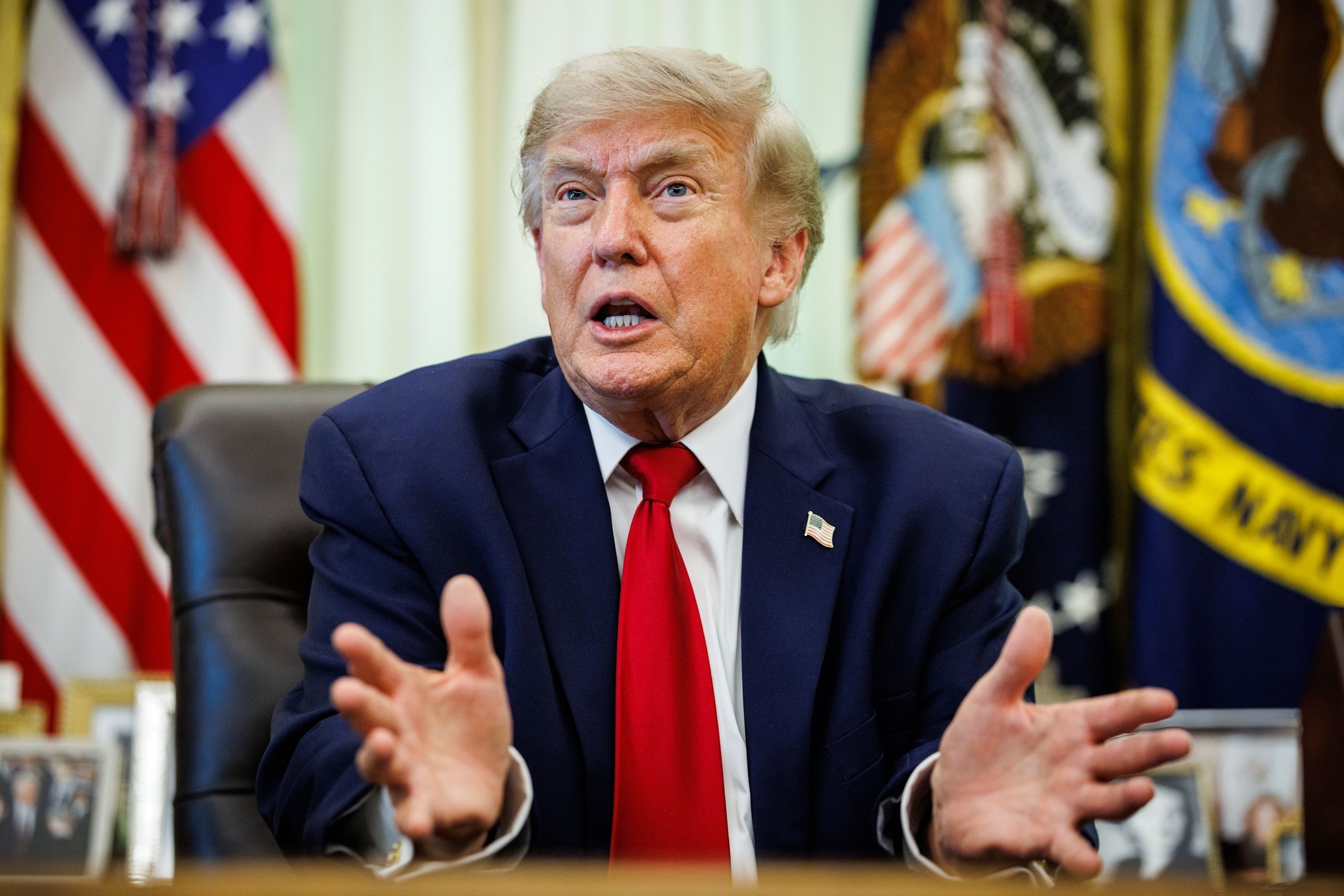
Here is what actually happened. On Monday, President Donald Trump shocked international markets by declaring the US would slap a 20% "reimbursement fee" on cargo moving through the Strait of Hormuz. He branded the US military as "THE GUARDIAN OF THE HORMUZ STRAIT" and demanded payment for keeping the lanes secure.
By Tuesday afternoon, that plan was dead.
Following what he called "highly productive conversations with Middle East leadership," Trump scrapped the toll. Instead of charging ships to pass through the world's most critical choke point, the administration claims it negotiated "MASSIVE" trade and investment deals with Gulf nations.
It's a wild shift. It tells us a lot about how this administration handles foreign policy, global trade, and the ongoing shadow war with Iran.
One Day You Are Charging Tolls The Next Day You Are Asking For Investments
To understand how bizarre this situation is, look at the timeline.
On Monday, the rhetoric was aggressive. The administration essentially told the world that if American sailors are risking their lives to keep oil flowing past Iran, the world needs to pony up. The proposed 20% fee was supposed to cover operational costs. It didn't matter if you were a friendly nation or a neutral trade partner. If your ship used the strait, you owed the US money.
The shipping industry scrambled. Analysts were baffled. Nobody knew how the math would even work.
Then came the Truth Social post on Tuesday that changed everything. Trump announced that the 20% fee was officially replaced. The new deal relies on Gulf States pouring money directly into American manufacturing, building factories, and buying equipment.
He promised these investments would create millions of high-paying American jobs. He claimed America is winning again.
But let's be real for a second. This looks like a classic face-saving maneuver. You don't drop a major international policy inside of a single day unless you realize it was completely unworkable from the start.
The Total Madness of a Twenty Percent Transit Fee
Why did the toll plan collapse so fast? Because the economics were downright terrifying.
Think about a standard supertanker. These massive vessels regularly carry about two million barrels of crude oil. With oil trading around $80 a barrel, the total value of that single cargo sits at $160 million.
If the US actually enforced a 20% toll on the cargo value, a single ship would owe $32 million just to sail through a natural, international waterway. That is insane. For comparison, shipping companies usually pay carrier fees that amount to roughly 2% or 3% of the cargo value. A 20% tax would have destroyed global energy markets overnight.
Importers like India were looking at a total nightmare scenario. Experts estimated that if the toll held, India alone would face up to $9 billion in annualized additional costs for oil imports. That kind of cash isn't just a minor corporate expense. It pushes up inflation. It drives up the cost of diesel, logistics, and everyday goods. It forces governments to ration fuel to protect households.
There was also a massive legal problem. Unlike man-made passages like the Panama Canal or the Suez Canal, the Strait of Hormuz is a natural international strait. International maritime law is crystal clear on this point. You cannot unilaterally charge commercial ships for transit through open international waters. The International Maritime Organization firmly stated there was no legal basis for it.
The administration tried to treat a global shipping lane like a private turnpike. The global community immediately balked.
Iran Mocked the Whole Idea
The political fallout was instant, and frankly, a bit embarrassing for Washington.
Iran has spent years threatening to shut down the strait whenever tensions spike. They've even suggested charging their own tolls to ships entering the Gulf. When Trump announced the US toll, Iranian Foreign Minister Abbas Araghchi didn't launch a furious tirade. He used it to mock the US president.
Araghchi posted online that Trump was absolutely right. He agreed that whoever secures the waterway should get paid. Then came the punchline. He said 20% was way too much and promised that Iran would be much fairer with its pricing.
When your bitter geopolitical rival uses your own policy announcement to make you look ridiculous on the global stage, you have a branding problem. The US was suddenly using the exact same logic Iran used to justify maritime extortion. That position is impossible to sustain when you claim to be the global defender of free trade and open oceans.
What the Gulf States Actually Agreed To
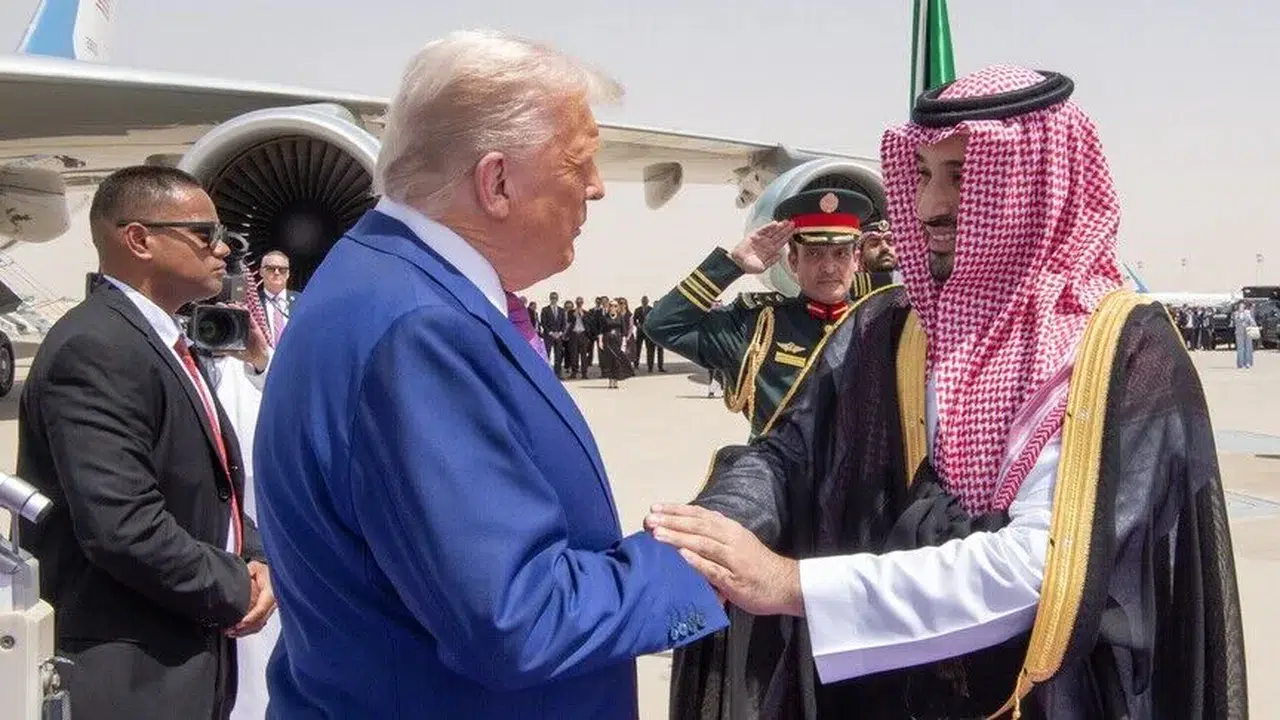
So, how did we get to the Tuesday update? The leaders of the Gulf States—think Saudi Arabia, the UAE, Qatar—likely picked up the phone and told Washington exactly what this toll would do to their economies.
These nations depend entirely on the Strait of Hormuz to export their lifeblood. A 20% tax on their customers would have driven buyers straight into the arms of competitors in West Africa, the US, or South America.
Instead of a public brawl with close allies, a deal was struck. The Gulf nations agreed to play ball on Trump's favorite field: domestic US investment.
We don't have the exact itemized breakdown of these new commitments yet. Skeptics are already pointing out that these "MASSIVE" new deals might just be old investment promises repackaged with a shiny new bow. Gulf sovereign wealth funds have already pledged billions to US infrastructure, tech, and real estate over the last few years.
Whether the money is entirely new or just recycled, it allowed the administration to pivot. Trump got to drop an unworkable shipping tax while claiming he forced foreign nations to fund American factories.
The Real Strategy Moving Forward
Strip away the drama about tolls and factory investments, and the underlying military reality remains incredibly tense. The toll idea is gone, but the blockade is very real.
The US military is enforcing what Trump called a "FULL Blockade" targeting Iranian ports and cargo. The official line from Washington is simple. The Strait of Hormuz is open to every single nation on earth, except Iran.
This keeps the pressure entirely on Tehran. The US military—specifically CENTCOM and naval assets in the region—is actively patrolling to ensure Iranian oil cannot leak out to global markets, while trying to keep commercial traffic for the rest of the world moving safely.
It's a high-stakes gamble. Iran has already warned regional governments that cooperating with Washington's naval ambitions will be viewed as an act of war. They've threatened to confront any US forces moving through the strait without Iranian authorization.
For businesses and commodities traders, the threat of an unworkable 20% tax is off the table. That's the good news. The bad news is that the region is still a powder keg. Even without official tolls, the cost of shipping through Hormuz is going up. Insurance companies are raising war-risk premiums, and tanker operators are demanding higher rates just to sail into dangerous waters.
If you are tracking global energy markets, don't focus on the shifting headlines about trade deals and factory jobs. Watch the actual waters of the Gulf. The blockade is still active, the warships are still deployed, and the risk of a sudden military escalation hasn't dropped a bit.
Keep your eyes on the daily freight rates and maritime insurance indexes. That's where the real cost of this conflict will show up next.