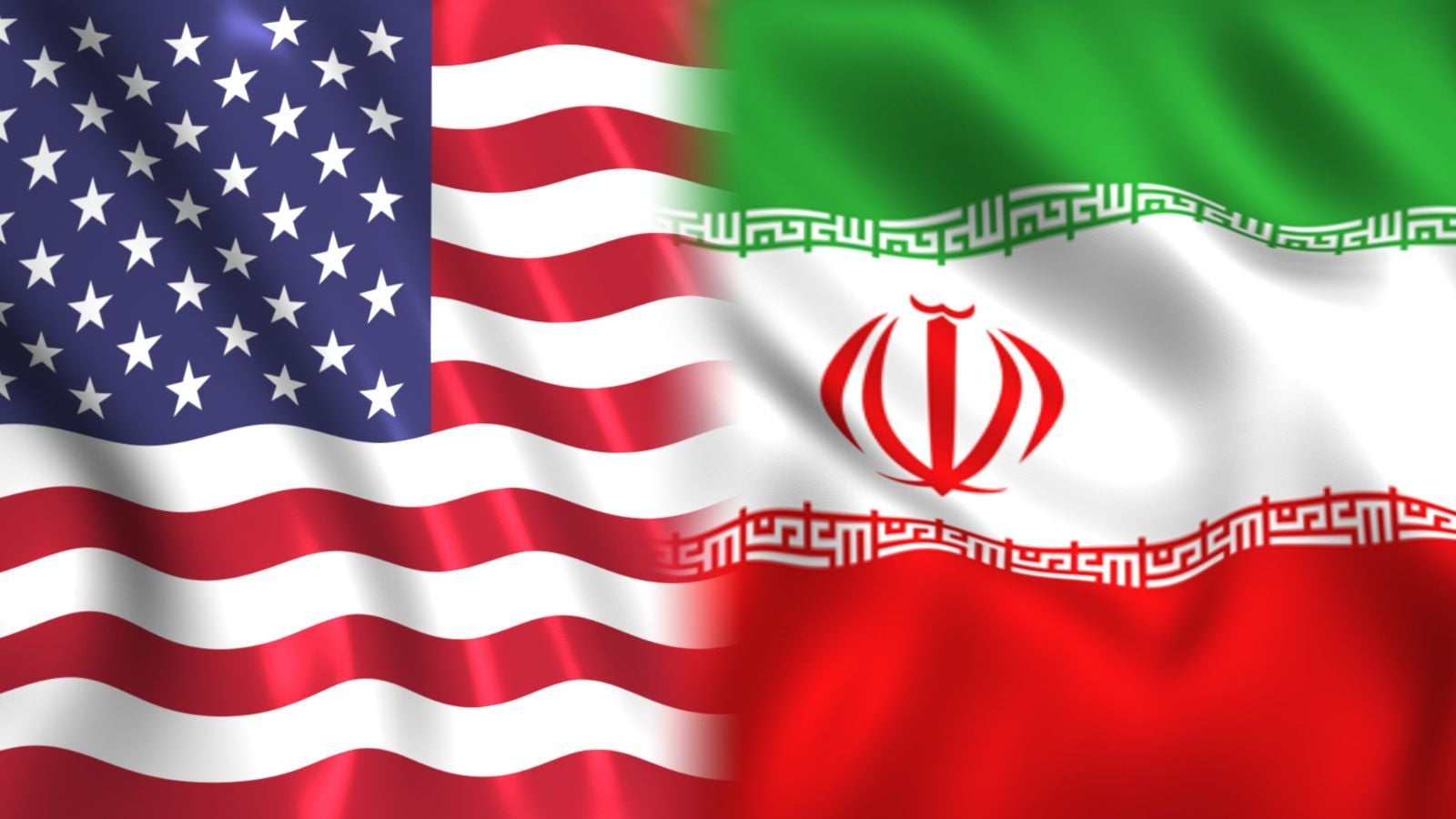
Tehran is buried under a sea of black banners, weeping crowds, and a very public, very calculated thirst for vengeance. The delayed funeral of Ayatollah Ali Khamenei—months after the airstrikes that sparked the U.S.-Iran war—isn't just about grief. It's a massive, state-choreographed message to the West that the regime is still standing.
But while millions gather in the streets of Tehran and Qom, the real battle isn't happening in the public squares. It's playing out along the narrow, hyper-volatile waters of the Strait of Hormuz. Don't miss our earlier post on this related article.
If you think the temporary truce means global shipping is back to normal, you're missing the bigger picture.
The Mirage of a Safe Strait of Hormuz
Global shipping insurers aren't buying the calm. Even with the current one-week de-escalation agreed upon by Washington and Tehran, major maritime operators are still routing their vessels completely around the region. To read more about the context here, Associated Press provides an in-depth breakdown.
Why the hesitation? Because Iran just signaled that the old rules of free passage are dead.
At the World Peace Forum in Beijing, Iran's ambassador to China openly declared that Tehran intends to impose new "service fees" on commercial ships passing through the Strait of Hormuz. They claim it's for "guaranteeing security" in cooperation with Oman. The U.S. rejected the idea immediately. It looks less like a service fee and more like a permanent maritime toll booth backed by anti-ship missiles.
This isn't a minor administrative dispute. The Strait of Hormuz is the world's most critical energy chokepoint. When Iran hints at a permanent, quasi-sovereign administrative grip over these waters, it keeps the entire global energy market on a knife-edge. Tanker operators know that a single miscalculation during this funeral week could reignite active hostilities.
Inside the Six-Day Funeral Spectacle
The timing of this massive event wasn't accidental. The Iranian regime deliberately aligned the core of the multi-city procession with the July 4 American Independence Day celebrations. It's a blunt piece of geopolitical theater.
At the Grand Mosalla prayer complex in Tehran, the atmosphere is heavy with state-sanctioned rage. Mourners are beating their chests, shouting slogans for revenge, and standing under massive red banners featuring a clenched fist. The regime went all out on logistics to pull this off, distributing 50 million loaves of bread and converting thousands of schools and mosques into temporary housing for pilgrims.
Foreign delegations are using the event to signal their alliances. Former Russian President Dmitry Medvedev and Pakistani Prime Minister Shehbaz Sharif made high-profile appearances, showing that despite months of devastating conflict, Tehran isn't diplomatically isolated.
The Succession Crisis Nobody Wants to Acknowledge
Behind the public display of unity, there's a quiet, desperate power struggle happening in the shadows of the Islamic Revolutionary Guard Corps (IRGC).
Khamenei’s son, Mojtaba Khamenei, has quietly assumed the role of Supreme Leader, but he's nowhere to be seen at the public ceremonies. Rumors are swirling that he's still in Qom receiving medical treatment for severe injuries sustained during those same February airstrikes.
More importantly, Mojtaba lacks his father’s religious credentials and charisma. He isn't an ayatollah, and the IRGC high command is using this power vacuum to drive Iran’s actual geopolitical strategy. The current regime is effectively a military junta wearing clerical robes. While negotiators pause talks for the week, the IRGC commanders are the ones making the real calls on whether to honor the truce or squeeze the shipping lanes.
What Happens Next for Global Markets
Don't let the temporary pause in fighting fool you. The underlying triggers for a massive escalation are still fully active. If you're watching this conflict unfold, keep your eyes on these immediate indicators:
- The 60-Day Clock: The temporary agreement signed by President Trump triggered a tight window for formal nuclear negotiations. That clock is ticking right now, and the funeral pause eats up valuable diplomatic days.
- The "Friendly Nation" Loophole: Watch how China and Russia navigate Iran's proposed maritime fees. Tehran already hinted that "friendly nations" will get special treatment in the Strait, creating a fragmented, highly dangerous two-tiered international shipping system.
- Domestic Flashpoints: The regime is using the funeral to project total domestic control, but resentment runs deep. Millions of secular Iranians are quietly watching the event, remember the brutal crackdowns on protestors just months ago, and are waiting for the state's grip to slip.
The diplomatic teams will head back to the negotiating table in Qatar and Pakistan once the burial rites in Mashhad conclude. But as long as the IRGC holds the levers of power and the Strait of Hormuz remains a leverage tool, the risk of a secondary flashpoint is higher than the markets care to admit.