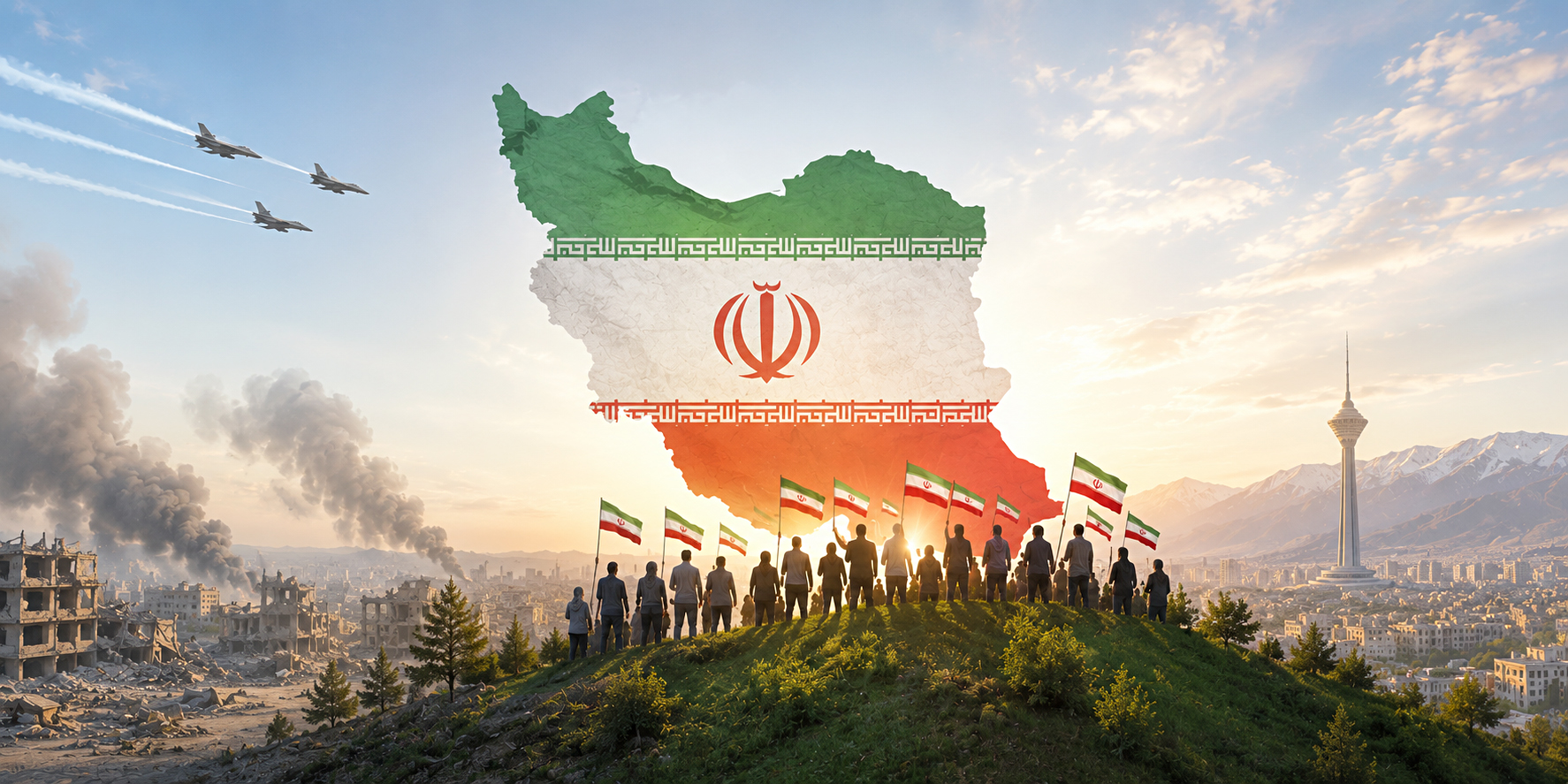
Iran just shattered a fragile peace in the world's most critical chokepoint. Overnight, the Islamic Revolutionary Guard Corps (IRGC) launched at least two missiles at commercial vessels transiting the Strait of Hormuz. The strikes caused serious fires and heavy structural damage, signaling a sudden and violent end to recent diplomatic pauses.
If you think this is just another minor regional skirmish, you're missing the bigger picture. This attack hits directly at global energy infrastructure at a time when shipping companies were just starting to breathe a sigh of relief. For another perspective, consider: this related article.
The Midnight Strikes on Commercial Tankers
The attack happened during the night between July 6 and July 7. According to United States officials and reporting from the UK Maritime Trade Operations (UKMTO), the Iranian military targeted two separate commercial vessels.
One of the confirmed targets is the Al Rekayyat, a massive liquefied natural gas (LNG) tanker owned and managed by the Qatari shipping company Nakilat. The ship was hit on its port side just above the engine room. Emergency radio transmissions captured the crew reporting that the engine room was rapidly filling with smoke. Fortunately, all crew members managed to safely muster on the starboard side, and no casualties were reported. Further reporting on this trend has been provided by Associated Press.
The second vessel, an oil tanker transiting south, was struck by an unknown projectile roughly eight nautical miles east of Limah, Oman. This strike also triggered a major fire on the port side. While crews managed to contain the flames without immediate environmental disasters or loss of life, both ships sustained significant structural damage.
Iranian state television quickly confirmed the operation. Tehran claims its forces acted because the vessels ignored direct verbal warnings broadcast over marine radio. Over the weekend, the IRGC had openly warned ships against using specific routes near Oman that had been cleared by the US military, broadcasting messages stating that their missiles and drones were ready to fire.
Broken Deals and Failed Pauses
What makes this escalation particularly dangerous is the timing. The strikes happened immediately after a one-week agreement between the US and Iran to pause hostilities expired.
It gets worse. Less than three weeks ago, Iran signed a preliminary memorandum of understanding agreeing to stop targeting merchant ships. Shipping traffic had just started recovering, with 30 to 60 major vessels moving through the strait daily. Carriers assumed the preliminary accord would hold while diplomats negotiated a broader 60-day ceasefire and nuclear framework.
Instead, the IRGC chose to strike the moment the temporary pause lapsed. The internal politics in Tehran likely played a massive role here, as the country is currently in a national mourning period following the recent death of former Supreme Leader Ayatollah Ali Khamenei. Hardliners within the Guard have consistently acted as the biggest roadblock to any permanent peace deal, using missile diplomacy to flex their muscles and dictate terms.
What This Means for Global Energy Costs
The timing of the attack also jeopardizes major efforts to stabilize the global energy market. Just days ago, OPEC+ agreed to gradually increase oil production to ease global supply shortages. Simultaneously, Saudi Aramco slashed the price of its Arab Light crude for Asian buyers by a staggering $11 a barrel to stimulate demand.
Those market-stabilizing maneuvers are now in direct conflict with reality. The Strait of Hormuz handles roughly 20% of the world's liquefied natural gas and crude oil. When the IRGC previously blockaded the waterway earlier this year, maritime traffic collapsed, causing a massive spike in global energy costs.
By targeting a high-profile Qatari LNG tanker, Iran is signaling that no vessel is safe, regardless of its country of origin or registration. Shipping companies now face a brutal choice: pay exorbitant war-risk insurance premiums to brave the strait, or reroute ships entirely, adding massive delays and fuel costs to global supply chains.
Expect Swift US Military Retaliation
Don't expect the US to sit on its hands after this. President Donald Trump previously warned that the US would "militarily complete the job" if Iran continued to violate shipping ceasefires. The US military has already executed two separate retaliatory strikes against Iranian targets in the strait recently due to minor violations.
US officials are already signaling that direct military retaliation against Iranian targets is on the table. The current layout makes a diplomatic exit highly unlikely in the short term. The US Navy's Fifth Fleet will almost certainly have to step up armed escorts, increasing the likelihood of direct kinetic engagements between US warships and IRGC missile batteries along the Iranian coast.
For anyone tracking global trade or energy markets, the next 48 hours are critical. Watch for official statements from US Central Command (CENTCOM) regarding retaliatory operations, and monitor how major maritime insurance syndicates adjust their risk ratings for the Persian Gulf. The fragile stability the market enjoyed over the last three weeks is officially dead.