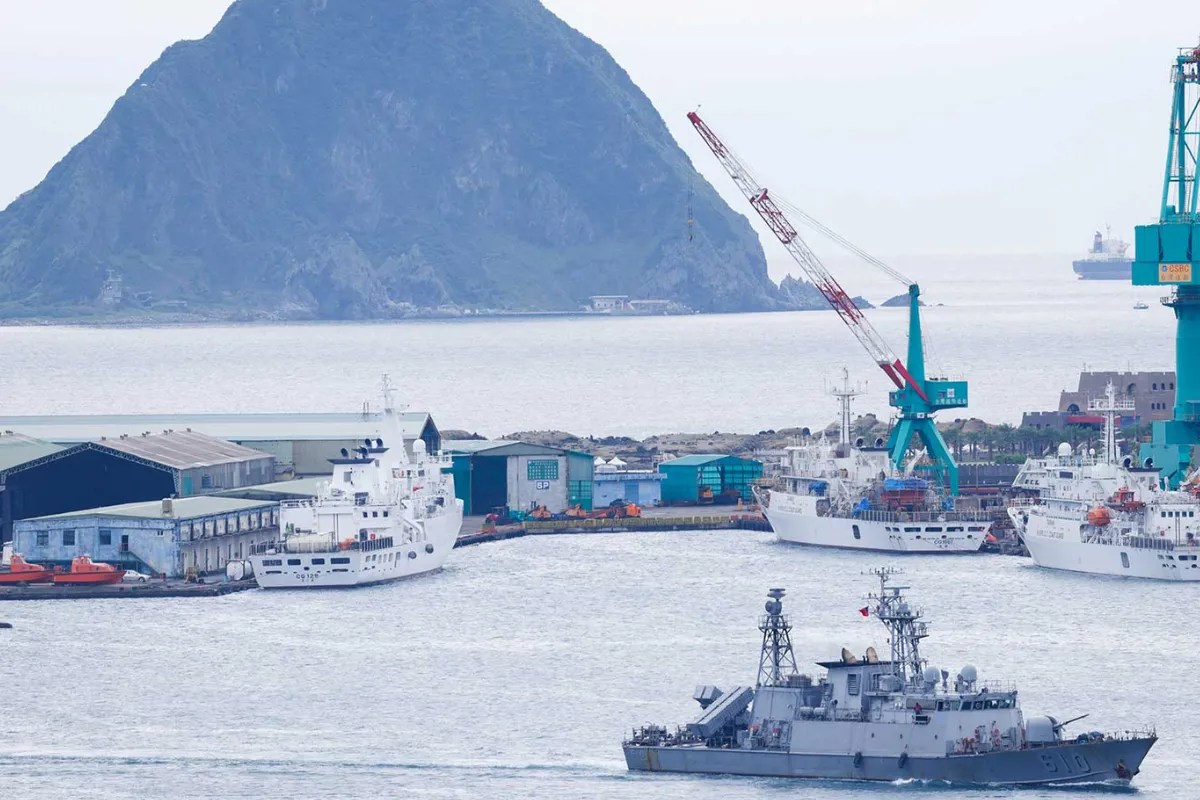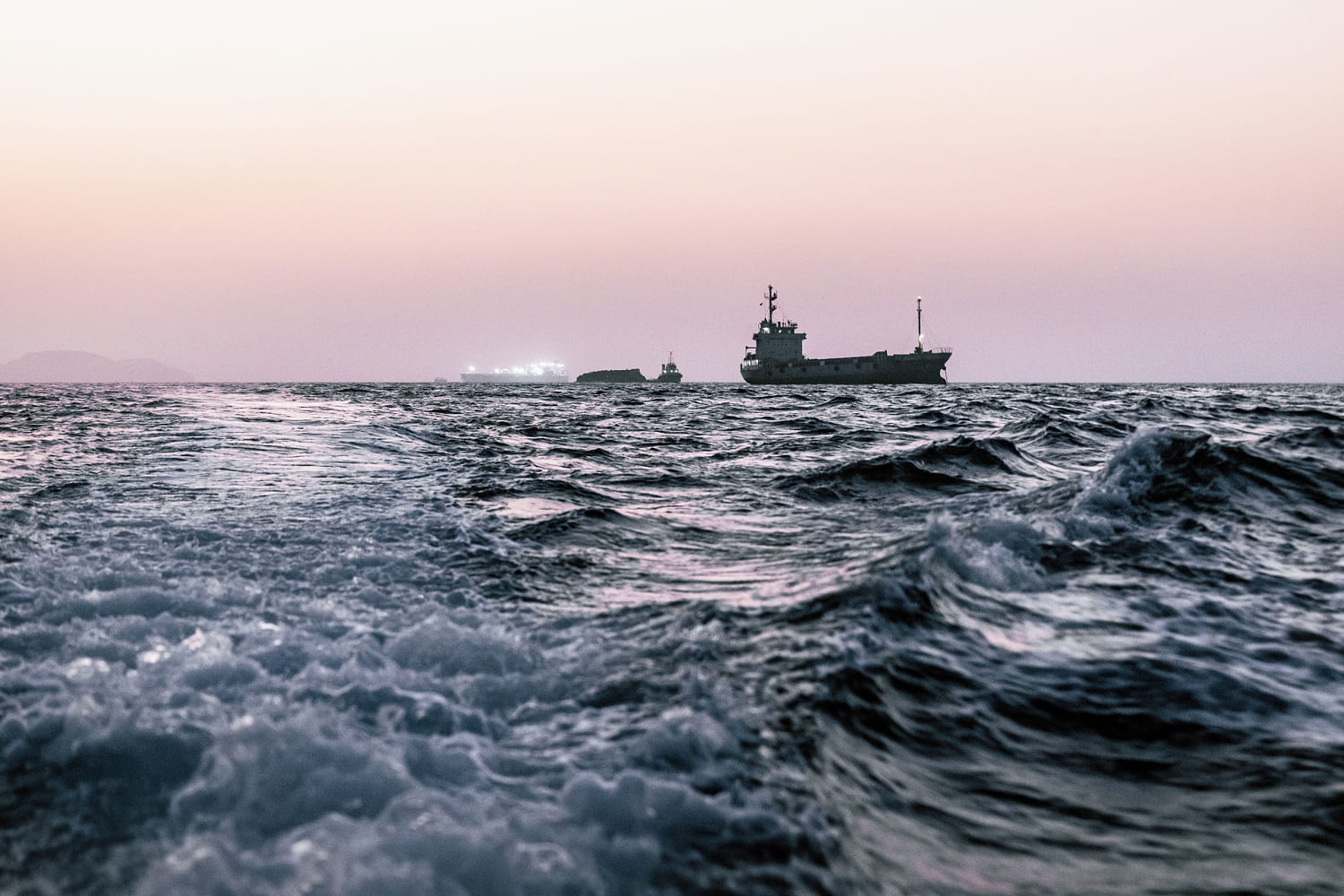
The fragile diplomatic band-aid slapped on the Persian Gulf just tore wide open. If you thought the recent preliminary deal between the United States and Iran meant smooth sailing for global energy corridors, Thursday shattered that illusion.
A single drone strike changed everything.
The International Maritime Organization, a United Nations agency, has officially paused its high-stakes rescue mission meant to clear out roughly 600 stranded commercial vessels and 11,000 mariners trapped inside the Persian Gulf. This massive logistical rescue, which kicked off on June 23, 2026, was supposed to be a human-interest win amid tense geopolitical maneuvering. Instead, an attack on a container ship off the coast of Oman forced UN officials to hit the brakes.
The Drone Strike That Froze the UN
The sudden halt happened because the Singapore-flagged container ship Ever Lovely was struck on its starboard side by an airborne projectile. The incident went down 7.5 nautical miles southeast of Oman's port of Dahit. United States defense officials quickly pointed fingers directly at Tehran, confirming that an Iranian drone flown by the Islamic Revolutionary Guard Corps targeted the ship.
While the vessel sustained damage to its bridge, it managed to continue moving without any casualties or immediate environmental damage. However, the psychological damage to the UN's evacuation plan was absolute.
IMO Secretary-General Arsenio Dominguez didn't mince words when he announced the suspension. He stated that the evacuation framework will remain entirely frozen until the agency secures firm safety guarantees for all vessels waiting in line. The irony? The Ever Lovely wasn’t even part of the official UN evacuation fleet. It was just a regular commercial ship trying to navigate a body of water that has essentially become a military hostage.
The Battle of the Southern Route
To understand why the Ever Lovely was targeted, look closely at the geographical reality of the Strait of Hormuz. The waterway narrows down to a mere 21 miles wide at its tightest point between Iran and Oman.
Under the UN-backed framework launched earlier in June, ships were given a choice of two voluntary evacuation tracks to exit the Persian Gulf:
- A northern path through Iranian waters.
- A southern path hugging the coast of Oman, heavily monitored by the United States military.
Iran’s Revolutionary Guard explicitly warned commercial shipping companies that any transit routes bypassing their direct coordination were dangerous and unacceptable. They want total control over who moves through that 21-mile gap.
By utilizing the southern route, the UN and regional allies essentially bypassed Tehran's local authority. Maritime intelligence data from firms like Windward showed that on Wednesday alone, 26 ships chose the Omani southern route, while only 15 took the northern route controlled by Iran. The Revolutionary Guard felt slighted, particularly by Oman’s quiet cooperation with the West. The strike on the Ever Lovely was a loud reminder that even if a ship sticks to Omani territorial waters, it remains well within the crosshairs of Iranian shore-based missiles and loitering munitions.
Tolls or Taxes by Another Name
The drone attack wasn't random violence. It was a calculated leverage play in the broader economic face-off happening between Washington and Tehran.
Under the June 17 Memorandum of Understanding that established a 60-day window to negotiate a permanent end to recent hostilities, Iran agreed to use its best efforts to guarantee safe passage for commercial ships. The catch? Tehran wants to get paid.
The Iranian government is pushing to implement what it calls mandatory "maritime service fees" on every commercial ship passing through the strait. United States Secretary of State Marco Rubio, currently touring the Gulf to reassure regional partners, completely rejected the proposal. Rubio stressed that the Strait of Hormuz is an international waterway and that no sovereign state has the right to levy unilateral transit taxes on global shipping lines.
By harassing ships that refuse to use Iranian-approved routes, Tehran is telling the world that if it can't collect its transit fees peacefully, it will exact a cost through kinetic disruption.
The Energy Ripple Effect: Crude prices have been highly sensitive to these developments. Right before the attack on Thursday, Brent crude briefly dipped to $72.48 a barrel, nearing pre-war baselines. Following the news of the drone strike and the UN evacuation freeze, the market immediately bounced back up toward $75 as traders realized the regional supply chains are nowhere near secure.
The Real Cost to Global Shipping Lanes
The disruption to the UN evacuation framework leaves thousands of mariners stuck in a floating limbo. These crews have been stranded in the hot, volatile waters of the Gulf for months. Marine security firms like Ambrey have already reported instances where the Revolutionary Guard forced other commercial vessels—such as the Panama-flagged tankers SG Pegasus and Omega Trader—to alter their courses under the threat of missile strikes, forcing them to wait for explicit Iranian permission near Larak Island.
This creates a massive bottleneck. The normal traffic flow through the Strait of Hormuz sits around 135 vessels per day, moving roughly 20 percent of the planet's petroleum. Right now, transit volume remains a tiny fraction of that norm. Insurance underwriters are hiking war-risk premiums back up, and container lines are looking at the realities of long, expensive detours around Africa if the interim US-Iran agreement collapses entirely.
What Needs to Happen Next
If you are managing supply chains or tracking international trade vulnerabilities, don't look at the diplomatic paperwork; look at the water. The next few weeks are critical.
- Monitor Daily Routing Choices: Watch ship-tracking services to see if commercial fleets completely abandon the Omani southern track out of fear. If traffic shifts entirely to the northern Iranian route, Tehran has successfully coerced the international community.
- Watch the Rubio Tour: Pay attention to the joint communiqués coming out of Bahrain and Oman. If regional allies don't present a unified naval escort strategy to shield the Omani route, the UN evacuation effort will remain dead in the water.
- Factor in the Nuclear Variable: The International Atomic Energy Agency is pushing for immediate, rigid verification access inside Iran as part of the broader peace talks. If those inspections stall alongside the maritime dispute, expect energy markets to price in a renewed risk of active conflict.

:max_bytes(150000):strip_icc()/TAL-nassau-bahamas-BEAUTCARIB0323-4fbfce903e5a4418b895e03717e3de0d.jpg)