The three-month war between Iran, the United States, and Israel supposedly paused with the June 17 Islamabad Memorandum. But don't let the quiet fool you. A massive storm is brewing in the world's most volatile choke point, and the diplomatic band-aid is already peeling off.
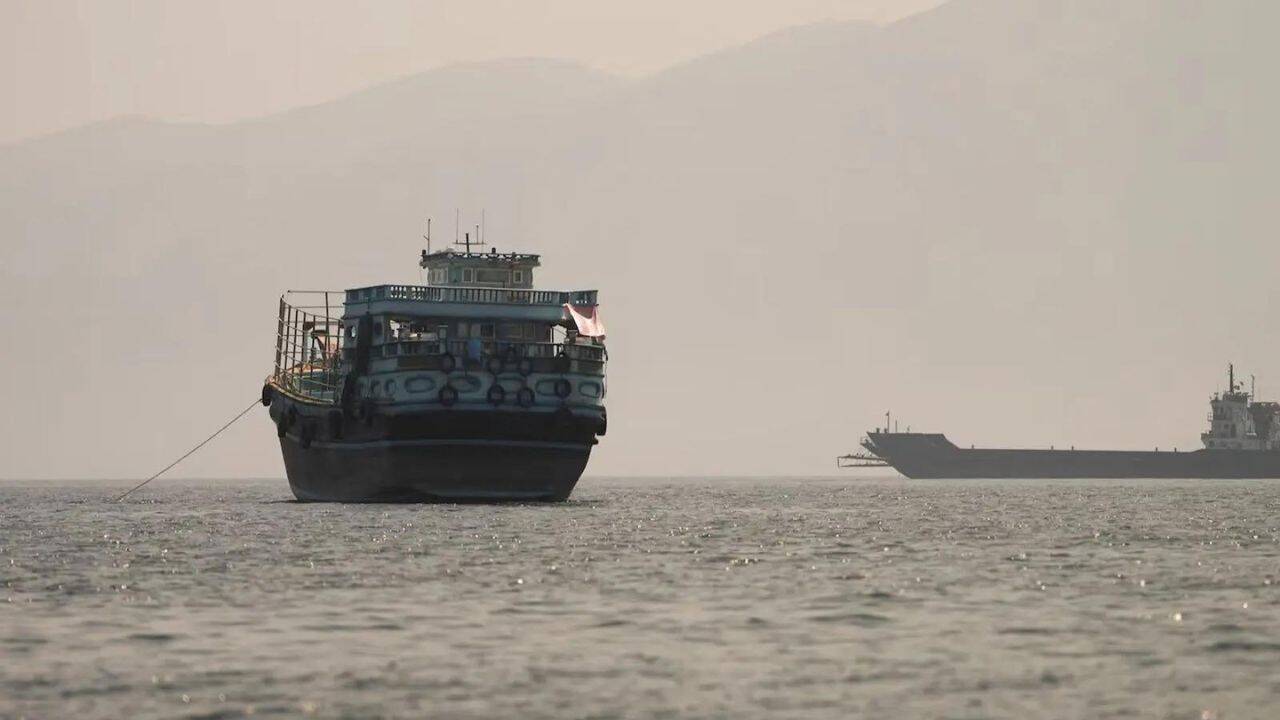
At the center of this ticking time bomb is a fundamental disagreement over who owns the Strait of Hormuz. Iran is drawing a hard line in the sand, demanding permanent, international recognition of its right to control the waterway. They aren't just talking about security patrols either. Tehran wants the explicit power to dictate shipping routes, deny entry to any vessel they don't like, and levy direct financial transit fees on ships moving through the Gulf.
The corporate media frames this as a simple post-war negotiation hiccup. It's not. It's a fundamental collision course. Washington insists the waterway must remain free and clear under international law. Tehran believes its survival of Operation Epic Fury—the massive US-Israeli air campaign launched back in February—gives it a historic mandate to rewrite the rules of global shipping.
Right now, neither side thinks they've lost. That means the risk of the conflict reigniting this summer is dangerously high.
The 60-Day Illusion
Under the temporary terms of the June peace deal, Iran agreed to suspend transit fees and allow unhindered passage through the strait for 60 days. This temporary window expires in mid-August.
The White House views this period as a cooling-off phase to return to pre-war norms. Tehran views it as a countdown. Two senior Iranian officials recently confirmed that Iranian negotiators flatly refuse to discuss any other regional disputes in Doha until Washington concedes to their demands on the strait.
If no extension or permanent agreement is reached by mid-August, Iran plans to start slapping toll fees on commercial vessels. They haven't published a price sheet yet, but the mechanism is already in place. During the peak of the spring fighting, Iranian authorities forced several merchant ships to pay "navigation and service fees" just to leave the Gulf.
This isn't a minor policy shift. Before the 2026 war broke out, a fifth of the world's energy supplies flowed through Hormuz completely free of sovereign tolls. Adding mandatory Iranian red tape, route restrictions, and surprise financial levies will permanently inflate global shipping costs, spike insurance premiums, and introduce massive logistical delays.
Why Iran Thinks It Won
To understand why Tehran is acting so bold, you have to look at how they perceive the outcome of the war.
On February 28, the US and Israel launched Operation Epic Fury. The initial strikes took out the highest level of Iranian leadership, including Supreme Leader Ali Khamenei. Western planners expected the regime to buckle, capitulate, and beg for terms.
Instead, Iran fought back with everything it had. They launched hundreds of ballistic missiles at US bases and Israeli cities. They deployed a swarm of thousands of attack drones. Crucially, they choked off the Strait of Hormuz using a dense web of sea mines, satellite jamming, and aggressive IRGC speedboats.
The move triggered the largest monthly oil price spike in human history. Global energy markets fractured. Even though the US Navy eventually set up an escort operation and blockaded Iranian ports in April, they never fully broke Iran's grip on the strait.
From the perspective of the remaining regime leaders in Tehran, they just survived the absolute worst-case scenario. They went toe-to-toe with the world's dominant superpower, endured the assassination of their supreme leader, and emerged with their military apparatus intact. They don't see themselves as defeated. They see an earned, historic opportunity to permanently shift the balance of power in the Persian Gulf.
The Legal Gray Area Both Sides Exploit
The biggest complication in this standoff is that the legal framework governing the Strait of Hormuz is incredibly messy.
The US and its allies constantly cite international law to demand "transit passage," which allows foreign ships to pass through a strait solely for continuous and expeditious transit. But here's the catch: the primary international treaty governing this is the United Nations Convention on the Law of the Sea (UNCLOS).
Guess who hasn't ratified UNCLOS? Neither the United States nor Iran.
Oman, which controls the southern coast of the strait, is a signatory. Iran is currently attempting to exploit this by entering direct talks with Muscat to redraw the transit paths. Just days ago, Iranian forces opened fire on four commercial ships attempting to bypass Iran by hugging Omani waters without Tehran's explicit permission. The incident triggered a brief, sharp exchange of fire with nearby US naval assets.
Iran argues that because it hasn't ratified UNCLOS, it's only bound by older customary laws of "innocent passage." Under innocent passage, a coastal state has much more authority to suspend transit if it deems a foreign ship threatens its peace, good order, or security. Tehran intends to use this loophole to block any vessel associated with nations it deems hostile.
What Happens Next
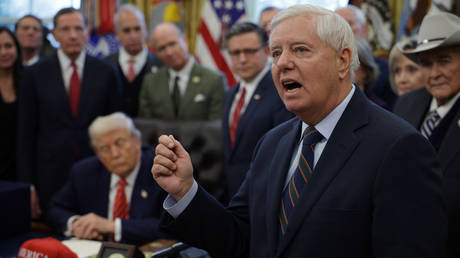
The current situation is entirely unsustainable. Washington won't accept an Iranian toll booth at the gateway to the Gulf. President Trump publicly declared that the US will not tolerate unilateral tolls on global commerce, hinting that the US military would step in to dismantle them. Secretary of State Marco Rubio has echoed this stance, assuring Gulf Arab allies that no country has the right to privatize the strait.
With both sides entrenched in their positions, businesses and maritime operators cannot afford to wait out the 60-day negotiation window passiveley.
- Reroute supply chains early: Shipping firms should prepare contingency routing through alternative hubs, utilizing pipeline infrastructure like East-West pipelines across Saudi Arabia where feasible, even if it limits total volume.
- Audit maritime insurance policies: Expect a massive spike in war-risk premiums as the mid-August deadline approaches. Operators should lock in coverage rates now before the temporary ceasefire expires.
- Prepare for localized electronic warfare: Iran’s primary tool for enforcing its will during the quiet phase is GNSS and satellite spoofing. Crews operating in the Gulf must train for sudden navigation failures and rely heavily on traditional dead reckoning and radar monitoring.
If the Doha talks stall over the next few weeks, expect the shadow war to burst back into the open long before the August deadline. Neither side thinks they lost the war, which means the next round of fighting is likely already bought and paid for.