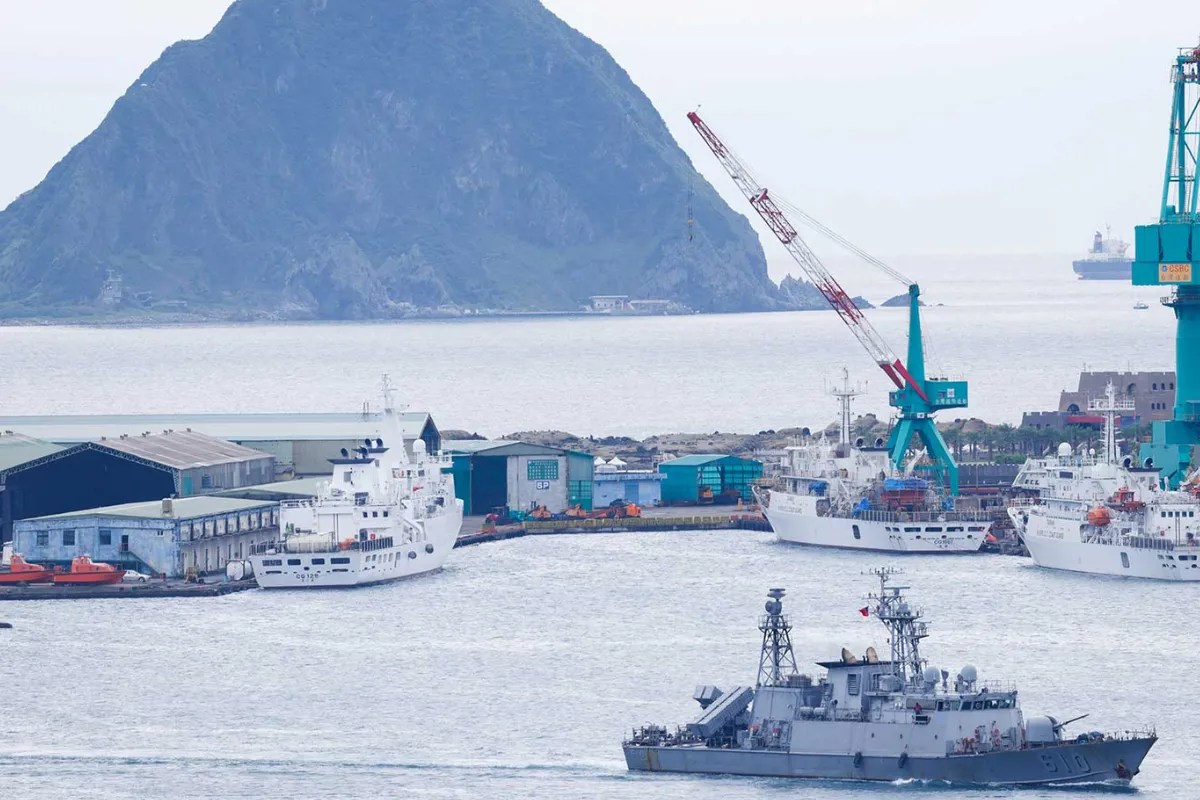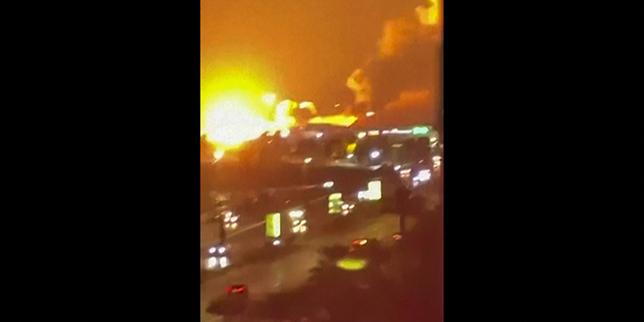
The fragile peace in the Middle East just went up in smoke. If you thought the June ceasefire memorandum of understanding between Washington and Tehran was going to hold, Tuesday night provided a brutal reality check. US Central Command launched a massive wave of airstrikes against Iranian territory, hitting over 80 military targets. The reason? Iran decided to play pirate in the world's most critical energy chokepoint.
Tehran targeted three commercial tankers transiting the Strait of Hormuz within a 24-hour window. This wasn't a minor border skirmish. It was a direct, calculated challenge to international maritime law. The White House responded by immediately hitting Iran where it hurts most: the economy and its naval capacity. By revoking the temporary oil export waivers and turning dozens of Islamic Revolutionary Guard Corps (IRGC) fast-attack boats into scrap metal, the US has signaled that the brief diplomatic pause is officially over.
The Toll of the New Escallation in the Strait
The sudden flare-up resulted in immediate damage on both sides of the waterway.
The Qatari-flagged liquefied natural gas (LNG) tanker, Al Rekayyat, sent out a desperate mayday call after being struck by an airborne drone on its port side near the engine room. It was the first time a Qatari asset was directly targeted since the wider war erupted back on February 28. Meanwhile, the Saudi-flagged tanker Wedyan and a third commercial vessel sustained notable hull damage after being struck by unidentified projectiles.
The American response was swift and heavy. CENTCOM forces deployed precision munitions against strategic assets in southern Iran.
- Target locations: The bombardment triggered at least 13 massive explosions near Qeshm Island, Bandar Abbas, and Sirik County.
- Naval destruction: US jets wiped out more than 60 IRGC small boats used to harass commercial shipping.
- Defensive degradation: Coastal radar arrays, command networks, and air defense batteries were completely destroyed to prevent immediate counterattacks.
The Real Reason Iran Blocked the Shipping Lanes
Don't buy the official line from Tehran claiming this is about American aggression. This conflict is driven by cold, hard cash and regional control.
When the interim ceasefire was hammered out last month, it included a 60-day window to negotiate a permanent treaty covering Iran's nuclear program. Part of that deal allowed ships to pass freely without transit fees. But Iran tried to rewrite the rules on the fly.
Tehran demanded that all commercial vessels use specific, Iranian-approved routes and pay a steep "security service fee." Western shipping companies and neighboring Oman saw this for what it truly was: a state-sponsored protection racket. To avoid these extortion tactics, tankers started using an alternative southern route running close to the Omani coastline.
Iran reacted with predictable violence. The regime firmly rejected a British and French proposal to de-mine the Omani route. Tehran then launched drone and missile strikes against the tankers using the southern channel, claiming anyone ignoring their route directives was violating Iranian sovereignty. It’s a desperate attempt by a cash-strapped regime to monopolize a waterway that handles 20% of global oil supplies.
What This Means for Global Energy Stability
The immediate economic fallout is already hitting global markets. The US Treasury Department pulled the plug on the 60-day general license that allowed Iran to sell its crude oil openly for US dollars. This ends Tehran's brief window of open international trade and forces them back into selling discounted oil to China through dark-fleet tankers.
With the Strait of Hormuz effectively turning back into an active war zone, maritime insurance firms are moving quickly. War risk insurance premiums for vessels entering the Persian Gulf are skyrocketing. Many global shipping syndicates are instructing their fleets to drop anchor outside the Gulf of Oman until the security situation stabilizes. We are looking at immediate delays in oil and LNG deliveries to Europe and Asia, which will inevitably push global crude prices back over the $100 barrel threshold.
Navigating the Volatile Road Ahead
The diplomatic path is shattered. If you are managing supply chains, trading energy commodities, or tracking geopolitical risk, you need to adapt immediately.
First, stop betting on a diplomatic breakthrough before the August negotiation deadline. The structural disagreement over who controls the Strait of Hormuz is too deep to fix with a simple memorandum. Expect ongoing asymmetric attacks from Iranian proxy networks in the coming days.
Second, factor in prolonged transit times for all cargo originating from the Persian Gulf. Diversify your logistical dependencies by utilizing land-based pipelines across Saudi Arabia where possible, even if the operational costs are higher. The maritime route through Hormuz is going to remain a high-risk gamble for the foreseeable future.

:max_bytes(150000):strip_icc()/TAL-nassau-bahamas-BEAUTCARIB0323-4fbfce903e5a4418b895e03717e3de0d.jpg)