The fragile peace in the Middle East didn't just crack this week. It completely shattered. If you've been following the tentative diplomatic efforts over the last few months, you know Washington and Tehran were trying to dance around a shaky 14-point ceasefire agreement signed back in June. That experiment is officially over.
Early Wednesday morning, US Central Command launched a massive, punishing wave of airstrikes against Iranian territory. This wasn't a minor warning shot or a targeted message. American forces hit over 80 distinct targets across Iran, representing an offensive roughly eight times larger than the retaliatory strikes we saw in late June.
The immediate trigger? Iran targeted three commercial shipping tankers transiting the Strait of Hormuz over a 48-hour period. For Washington, that was a blatant breach of the performance-based truce. For the global economy, it’s a direct threat to the world's most critical maritime chokepoint.
Inside the Eighty Targets Hit by CENTCOM
We aren't talking about empty desert outposts. The Pentagon went after the backbone of the Islamic Revolutionary Guard Corps maritime denial infrastructure. According to official statements from CENTCOM, precision-guided munitions pounded air defense systems, coastal radar networks, command-and-control hubs, and ground-to-air missile batteries.
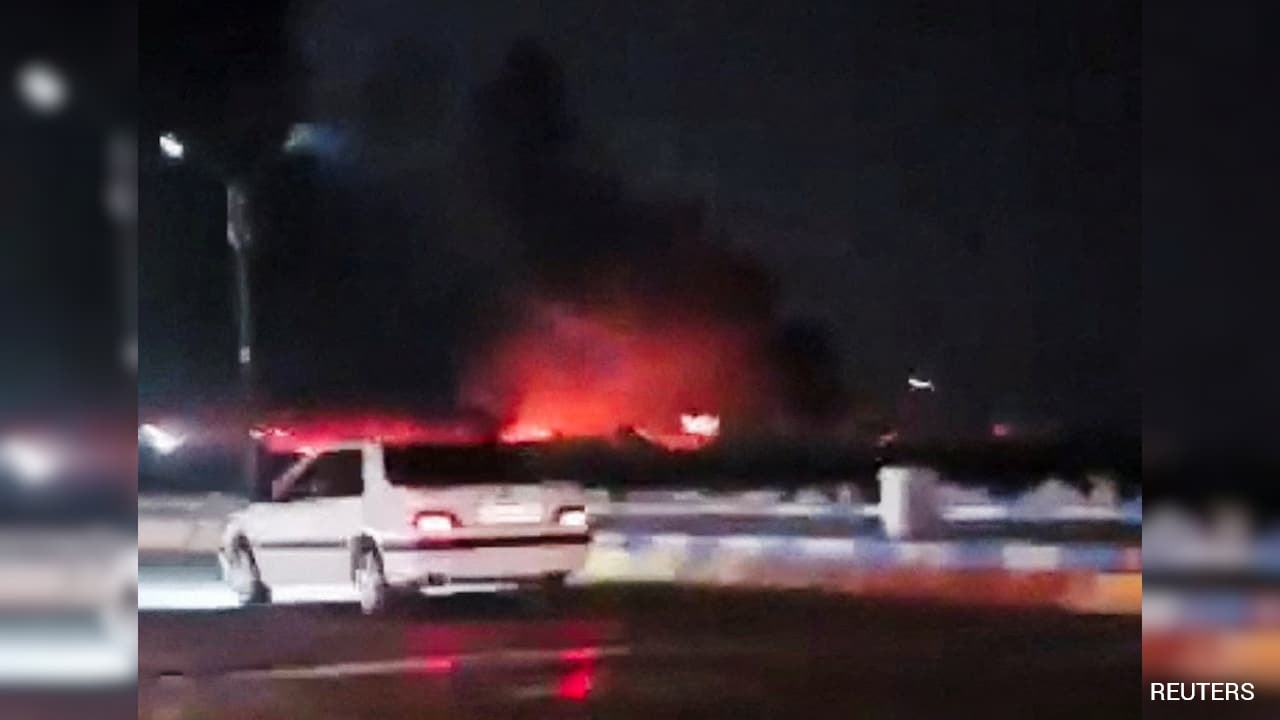
The most crippling blow hit the water. US strikes wiped out more than 60 IRGC small boats. These are the fast, heavily armed attack craft Iran routinely uses to swarm, harass, and board commercial vessels in the narrow straits. Iranian state media confirmed massive explosions rocked the strategic coastal hubs of Qeshm, Bandar Abbas, and Sirik along the Persian Gulf.
The scale of this attack tells us exactly how frustrated the White House has become. One senior US official confirmed the administration intended to impose an immediate, heavy cost because previous, smaller warnings simply weren't sticking. By targeting launch sites for anti-ship cruise missiles and drone infrastructure, the military wants to physically strip away Iran's capacity to disrupt international commerce. They didn't just want to send a diplomatic memo. They wanted to break the tools Iran uses to fight.
The Tanker Attacks That Sparked the Fuse
To understand why the US dropped the hammer, you have to look at what happened in the waters off Oman over the last few days. Three separate merchant vessels were hit by projectiles and drones in rapid succession. The incidents marked the highest concentration of shipping attacks in the waterway in a single day since April.
- The M/T Al Rekayyat: A Qatari-flagged liquefied natural gas tanker. Qatari officials quickly went public, calling the attack a grave and explicit violation of international law.
- The M/T Wedyan: A Saudi Arabia-flagged crude tanker. Saudi Arabia’s Ministry of Foreign Affairs issued a stinging condemnation of Tehran following the strike.
- The M/T Cyprus Prosperity: A Liberian-flagged commercial vessel that sustained noticeable structural damage but managed to keep moving.
The UK Maritime Trade Operations agency had been flashing frantic warnings to commercial captains for 48 hours. One tanker even caught fire off the coast of Oman before crew members brought it under control. Thankfully, no merchant sailors died in these strikes, but the political fallout was instantaneous.
You can't expect the US to sit back when international trade arteries are choked. The Strait of Hormuz historically carries about twenty percent of the global oil and gas supply. When tankers start burning, insurance rates skyrocket, shipping companies reroute around Africa, and everyone pays more at the pump.
The Real Reason Washington Revoked the Oil License
The bombs dropping from American jets weren't the only leverage Washington used. Hours before the first airstrike, the US Treasury Department quietly pulled the rug out from under Iran's economy by revoking General License X.
This specific waiver was the entire reason Iran signed the June ceasefire in the first place. It allowed Tehran to legally produce, deliver, and sell crude oil on the international market until late August. It was a vital economic lifeline for a regime suffocating under years of sanctions.
The Trump administration made it clear that the agreement was entirely performance-based. If you don't behave, you don't get to sell oil. By revoking the license with a tight 10-day wind-down period, Washington effectively shut down Iran's primary source of hard currency overnight.
Predictably, the energy markets panicked. Brent crude prices jumped immediately following the announcement. Traders hate instability, and losing access to Iranian crude while the world's primary shipping lane looks like a combat zone is a recipe for extreme market volatility. The US gambled that a brief spike in energy prices is worth the price of re-establishing deterrence. Time will tell if that bet pays off.
Tehran Responds Amid a National Funeral
The timing of this military escalation couldn't be more surreal for the Iranian public. The strikes hit precisely as millions of mourners gathered in Tehran and four other major cities for a massive, six-day state funeral honoring former Supreme Leader Ayatollah Ali Khamenei.
Khamenei was killed back in February during the opening salvos of this regional conflict. The state-orchestrated funeral procession was designed to show national unity, resilience, and a fierce desire for vengeance. Instead, Iranian leaders had to watch the night sky light up with American explosions while thousands of citizens filled the Grand Mosalla mosque chanting anti-Western slogans.
The political elite in Tehran are furious. Iran's deputy foreign minister, Kazem Gharibabadi, took to social media to accuse Washington of breaking its commitments and violating the interim deal. The Iranian Foreign Ministry warned that the US bears full responsibility for the consequences of this escalation.
They didn't just complain verbally. The IRGC claimed it launched retaliatory strikes against 85 US military targets located in Bahrain and Kuwait. While US officials haven't confirmed widespread damage to these regional bases, the claim shows that Iran wants to show its proxies it can punch back.
The Geopolitical Chessboard is Shifting
Look past the immediate headlines and you see a much broader conflict taking shape. The grandeur of Khamenei's funeral was already being overshadowed by rumors that British and French navies are preparing to deploy warships to the region to clear naval mines from the Strait of Hormuz.
Meanwhile, traditional alliances are flexing. Israeli Prime Minister Benjamin Netanyahu recently urged Washington to block Turkey from acquiring F-35 fighter jet components, worried it would tilt the balance of power while the US focuses its military might on Iran. Simultaneously, fragile ceasefires between Israel and Hezbollah in southern Lebanon continue to suffer deadly breaches.
The regional war that started early this year isn't winding down. It is evolving into a prolonged war of attrition. President Trump told reporters this week that the United States will either make a permanent deal with Iran or "finish the job." Right now, a diplomatic deal looks incredibly distant.
What Happens Next
If you run a business reliant on global supply chains or track international energy markets, don't expect a quick return to normal. The 60-day negotiating window established under the June agreement is effectively dead.
Here is what you should expect to see over the coming weeks.
- Increased Western Naval Presence: Expect the US, UK, and France to establish a more aggressive convoy system in the Gulf of Oman to escort commercial tankers through the volatile waters.
- Sustained Energy Volatility: With General License X revoked, oil prices will fluctuate wildly based on how effectively Iran manages to smuggle crude to willing buyers through the black market.
- Proxy Escalations: Denied the ability to use their own fast boats effectively after the CENTCOM strikes, the IRGC will likely lean heavily on its proxy networks in Iraq, Syria, and Yemen to target US assets via drone and rocket attacks.
The military reality is clear. Washington proved it can strike deep inside Iranian territory and take out a massive chunk of the regime's coastal defense infrastructure in a matter of hours. But stripping away Iran's physical capabilities doesn't change its strategic intent. Tehran still views control of the Strait of Hormuz as its ultimate trump card. As long as both sides refuse to blink, the waters of the Persian Gulf will remain a tinderbox.