The bells in a quiet Swiss valley just signaled a massive fracture in the Catholic Church. On July 1, 2026, the Society of St. Pius X went ahead with unauthorized episcopal ordinations. They did this in direct defiance of a personal, emotional plea from Pope Leo XIV. History has repeated itself in the worst way possible for church unity.
The immediate result is severe. By ordaining four new bishops without a papal mandate, the leaders and the newly consecrated men triggered automatic excommunication under canon law. This is a full-blown schism. It mimics the exact crisis that occurred 38 years ago under Archbishop Marcel Lefebvre.
You might wonder why a dispute over old rituals matters today. It matters because the SSPX has built a massive parallel church. They have over 750 priests, hundreds of seminarians, and hundreds of thousands of followers worldwide. They are not a tiny group hiding in the woods. They are a well-funded, highly organized global movement. This action shatters nearly two decades of careful diplomacy aimed at bringing them back into the fold.
The Reality Behind the Current SSPX Consecrations
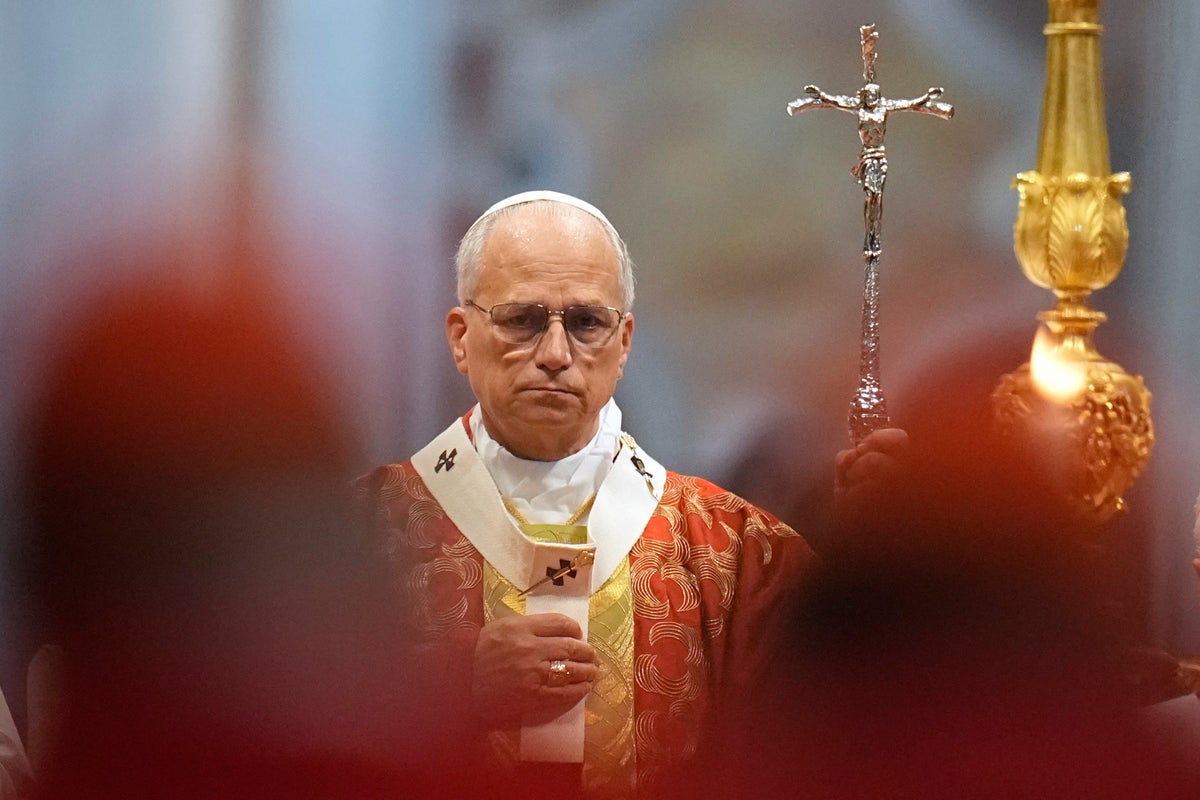
The ceremony took place at the society’s international seminary in Écône, Switzerland. Thousands of traditionalist Catholics filled a massive tent to watch the hours-long event. It featured intricate vestments, Latin chants, and a heavy dose of solemnity. Organizers even sold souvenir wine sets to celebrate what they labeled a historic day.
Behind the celebration lies an absolute break with Rome. Pope Leo XIV, the first American pope, spent his final hours before the event trying to stop it. He sent a direct letter to the SSPX Superior General, Father Davide Pagliarani. The letter was intensely personal. The Pope wrote that he pleaded with all his heart for them to turn back. He called the act a sin of extreme gravity that tears the church apart.
The SSPX ignored him. They claim a state of necessity justifies their actions. Only two of their existing bishops are still active, and they argue they need new blood to ordain priests and confirm children. To them, the modern Vatican is full of heresy and compromise. They view themselves as the sole keepers of the true Catholic faith.
The four new bishops are now central figures in this rebellion. They are Pascal Schreiber of Switzerland, Michael Goldade of the United States, Michel Poinsinet de Sivry of France, and Marc Hanappier of France. By accepting consecration, these men have effectively chosen exile from the official structure of the Roman Catholic Church.
How We Got to This Bitter Standover
To understand why this happened, you have to look back to the 1960s. The Second Vatican Council altered how the Catholic Church operated. It replaced the traditional Latin Mass with vernacular languages. It opened doors to dialogue with other religions. It changed the way the hierarchy viewed the modern world.
Archbishop Marcel Lefebvre hated these changes. He founded the SSPX in 1970 to preserve the old ways. For years, the Vatican tolerated the group's complaints. But in 1988, Lefebvre reached a breaking point. Believing he was near death, he consecrated four bishops without the permission of Pope John Paul II. The Vatican immediately declared them excommunicated.
Decades of cleanup followed. Pope Benedict XVI made it his personal mission to heal the wound. In 2007, he made it much easier for any priest to say the old Latin Mass. In 2009, he lifted the excommunications of the original four bishops. He wanted peace.
Even Pope Francis, who generally cracked down on traditionalists, threw the SSPX a bone. He granted their priests the permanent faculty to hear valid confessions and bless marriages. He wanted to keep the conversation going.
All of that work is now essentially dead. The SSPX took the concessions but refused to budge on the core theology. When they realized their leadership was aging, they chose to replicate the 1988 crisis instead of submitting to the authority of the current Pope.
The Legal and Spiritual Consequences of Schism
Canon law is very clear on this topic. Canon 1382 states that a bishop who consecrates someone as a bishop without a pontifical mandate, and the person who receives the consecration, incur an automatic excommunication reserved to the Apostolic See.
This is called a latae sententiae penalty. The Pope does not need to sit at his desk and sign a decree for it to take effect. The very act itself inflicts the punishment.
What does excommunication actually mean for the average person in the pews? For the bishops and priests involved, it means they cannot lawfully administer the sacraments. Pope Leo XIV warned that this act deprives the faithful of the licit reception of the sacraments.
The ordinations themselves are considered valid but illicit. In Catholic theology, this means the new men truly are bishops and can truly ordain priests. However, doing so is entirely illegal under church law. They are operating completely outside the boundaries of Catholic obedience.
Why the Defiance Happened Right Now
The timing is not accidental. Traditionalist Catholics have felt backed into a corner for years. When Pope Francis issued severe restrictions on the Latin Mass in 2021, it created a wave of resentment. Many regular Catholics who simply preferred the old liturgy started looking at the SSPX as a safety net.
The SSPX saw an opportunity. Their numbers were growing, particularly in France and the United States. They realized they had leverage.
Earlier this year, the Vatican tried one last diplomatic push. Cardinal Víctor Manuel Fernández, the head of the Dicastery for the Doctrine of the Faith, met with the SSPX leadership. He promised continued dialogue if they halted the ordinations. The SSPX leadership listened, went home, and sent a letter rejecting the offer. They decided that maintaining their independent structure was more important than being in union with Rome.
The Fractured Response Among Traditionalists
Do not assume every Catholic who loves the Latin Mass supports this move. The traditionalist world is deeply divided right now.
Many conservative Catholics are furious with the SSPX. They argue that you cannot save the church by disobeying the vicar of Christ. They see the SSPX as a group that has developed an insular, cult-like mentality over the past fifty years. Former members have spoken out about the intense psychological pressure inside the movement, where followers are taught that the rest of the world is entirely corrupt.
On the other side, hardline SSPX supporters are ecstatic. They view the excommunications as a badge of honor. Their media managers have openly stated that they do not fear the penalty. They believe the crisis in the church is so severe that normal rules no longer apply.
This leaves a huge group of moderate traditionalists stranded in the middle. These are people who attend diocesan Latin Masses approved by local bishops. They fear that the SSPX's blatant rebellion will give the Vatican a reason to ban the old Mass entirely for everyone else.
What Happens Next in Rome
Pope Leo XIV faces a massive test of his papacy. He has spent his time trying to heal the wounds that widened during the Francis era. He even allowed a prominent American cardinal to celebrate the traditional Latin Mass in St. Peter’s Basilica last year as a sign of peace.
That strategy of gentle containment failed. Rome must now decide how harshly to retaliate.
Legal experts expect the Vatican to issue a formal declaration clarifying the excommunications soon. The Pope could also choose to revoke the sacramental privileges that Pope Francis granted them. If Leo pulls back the permission for SSPX priests to hear confessions and marry couples, it will hit the group where it hurts: their ability to care for ordinary families.
The SSPX has built an empire of 800 places of worship across 77 countries. They are prepared for a long siege. They have the money, they have the infrastructure, and now they have four new young bishops to keep their movement alive for another generation.
If you are a practicing Catholic or an observer of global religious movements, look for these immediate shifts over the next few weeks:
- Watch the Vatican Press Office for a formal document outlining the boundaries of the schism.
- Expect local bishops around the world to issue strict warnings to their dioceses against attending SSPX chapels.
- Monitor whether the SSPX faces internal defections from priests who are unwilling to cross the line into total separation from Rome.

:max_bytes(150000):strip_icc()/TAL-nassau-bahamas-BEAUTCARIB0323-4fbfce903e5a4418b895e03717e3de0d.jpg)