You wake up at 2 AM soaking wet. Your ceiling fan is dead. The air conditioning has cut out, and your phone screen lights up to show zero Wi-Fi bars. Your first thought is probably a violent thunderstorm, a blown transformer from a summer heatwave, or maybe a drunk driver hitting a pole down the street.
If you live in Northern Virginia, the actual culprit might surprise you. It might be a cold-blooded reptile looking for a warm place to rest.
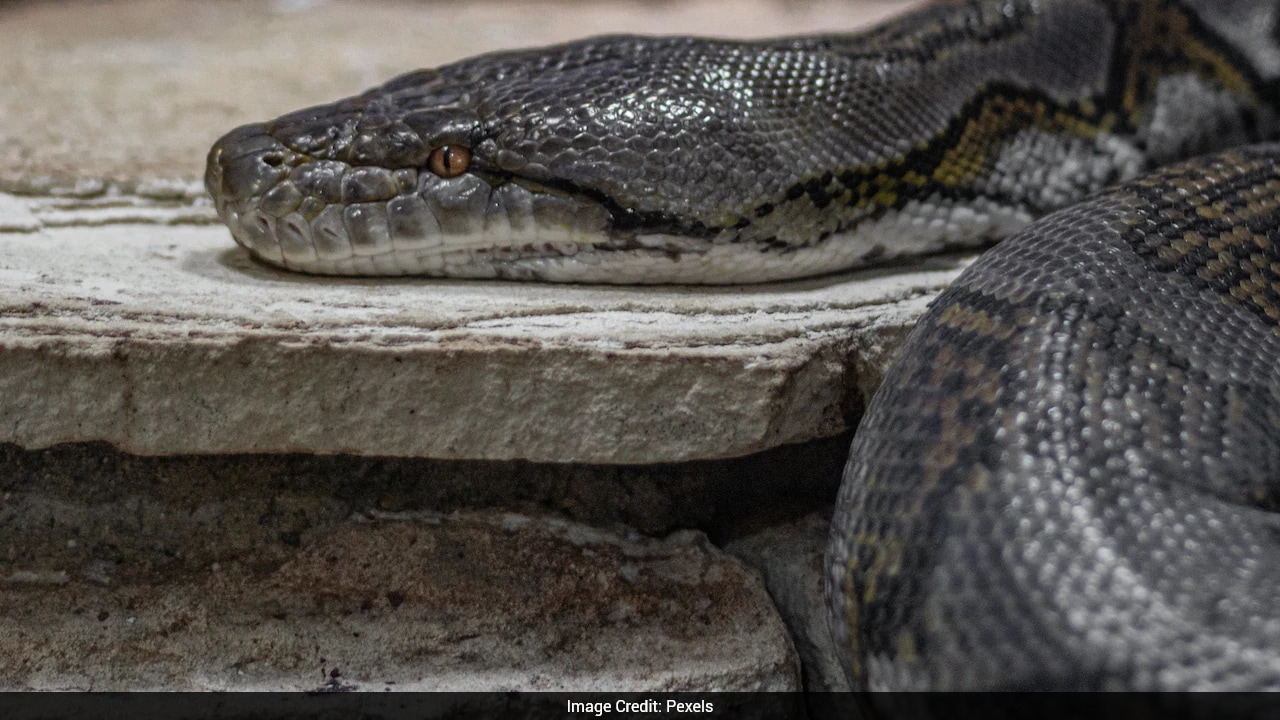
That's exactly what happened when a single large snake managed to slither its way into a critical electrical control box. It caused a massive headache for local commuters and emergency services alike. The reptile crawled into an electrical panel right at the busy intersection of Prince William Parkway and Sudley Manor Drive in Prince William County, Virginia.
By simply moving across the sensitive machinery inside, the heavy snake managed to flip a main breaker switch. That lone movement instantly killed the power to the traffic signals, throwing one of the area's busiest junctions into absolute chaos.
When you think of grid vulnerabilities, you think of Russian hackers or catastrophic hurricanes. Honestly, the reality is a lot more mundane, and frankly, kind of wild. Our modern, high-tech infrastructure is constantly losing battles against local wildlife.
The Prince William County Incident Explained Simply
Let's look at what actually went down in Northern Virginia. When the traffic lights went dark at Prince William Parkway, drivers suddenly had to navigate a high-volume intersection with no digital guidance. The Prince William County Police Department had to rush officers to the scene alongside animal control specialists to figure out what blew the system.
They didn't find melted wires or a blown fuse. They found a massive snake coiled up comfortably inside the metal box.
The animal was so large and heavy that its physical movement across the internal components threw a mechanical switch. It didn't even get electrocuted. It just turned off the power like a human hitting a light switch on the wall.
When the responding officers opened the panel, they noticed something else telling. The box contained layers of old shed skin. This wasn't a freak accident where a snake stumbled into a box and immediately caused a disaster. This reptile had been using that warm, enclosed electrical box as a personal apartment for months.
Master Police Officer Lewton and Animal Control Officer White eventually managed to extract the snake without harming it. They released it back into a nearby wooded area.
While this specific story had a happy ending for the snake, it highlights a massive, recurring blind spot in how we build and protect our public utilities.
Why Electrical Infrastructure Attracts Wildlife
It sounds bizarre that an animal would willingly climb into a box humming with lethal voltage. But if you look at it from a biological perspective, our power grid is basically a luxury resort for reptiles and rodents.
Snakes are ectothermic, meaning they can't regulate their own body temperature. They rely on external environment sources to stay warm. An electrical box, a traffic signal housing, or a massive substation transformer generates constant, predictable ambient heat. During cooler nights or early spring mornings, these metal enclosures become irresistible heat magnets.
It isn't just about the temperature, though. Snakes are also hunting.
Mice, rats, and birds love to build nests inside electrical housings because they're safe from predators. These rodents chew through rubber insulation and plastic seals to create entry points. A snake smells the prey, follows the exact same scent trail, and squeezes through those tiny holes. Once inside, the snake is trapped in a tight maze of live copper buses and high-voltage terminals.
The Massive Scale of the Wildlife Grid War
The incident in Prince William County is a tiny drop in a very large bucket. Wildlife interference is one of the top causes of localized power outages in the United States every single year.
According to data compiled by the American Public Power Association, squirrels hold the crown as the number one public enemy for power grids, but snakes are a close and incredibly destructive second. The problem is so widespread that tech enthusiasts even created a website called CyberSquirrel1 to track global infrastructure outages caused by animals. The data shows that animals have successfully shut down power far more times than state-sponsored cyberattacks ever have.
When a squirrel climbs onto a transformer, it usually bridges the gap between a live wire and a grounded piece of metal. This creates an electrical arc, instantly killing the animal and triggering an automatic shutdown to protect the system.
Snakes cause a different kind of chaos because of their length. A long rat snake or black garter snake can easily stretch across two separate live phases at a substation, causing a massive short circuit that can blow out equipment serving thousands of homes.
Just look at a few other instances across the region:
- In Newport News, Virginia, a snake slithered into a Dominion Energy substation transformer, knocking out power to more than 11,000 customers, including a local university campus.
- Across state lines in places like Tennessee and Alabama, utility companies regularly report multi-hour blackouts affecting entire neighborhoods because a six-foot snake managed to climb up the steel superstructure of a main substation busway.
The Real Cost to Utility Customers
This isn't just a funny local news story. These incidents cost millions of dollars annually, and those costs eventually end up on your monthly utility bill.
When a snake shorts out a transformer, the resulting equipment damage can be catastrophic. Transformers are filled with expensive insulating oil and intricate copper windings. A major short can cause the oil to ignite, leading to fires that completely destroy the unit. Replacing a single substation transformer can run anywhere from $100,000 to over a million dollars, not to mention the specialized labor required to install it.
Then there's the economic impact of the outage itself. Businesses lose revenue when credit card systems go down. Food spoils in restaurant freezers. Traffic delays tie up supply chains and cause accidents. When the lights go out because a snake decided to take a nap on a circuit board, the ripple effects hit everyone in the community.
How Engineers are Fighting Back
Utility companies aren't completely helpless here. Companies like Dominion Energy and local municipal cooperatives are fighting a constant technological war against nature. They use a variety of physical barriers and clever engineering tricks to keep wildlife outside where they belong.
Substation Shielding
Utilities install specialized heavy-duty plastic and silicone covers over live terminals and bushings. These covers ensure that even if a snake or squirrel crawls over the equipment, their bodies can't make contact with bare, energized metal.
Advanced Fencing
Standard chain-link fences don't stop snakes. Modern substations now use solid micro-mesh fencing or smooth polymer barriers buried deep into the ground. Snakes can't get a grip on the smooth surfaces, preventing them from slithering into the yard.
Chemical Deterrents and Repellents
Some utilities apply sulfur-based chemical barriers or natural predatory scents around the perimeter of sensitive electrical enclosures to discourage snakes from approaching the area.
Better Enclosure Engineering
Newer traffic control boxes and electrical panels are built with tighter tolerances. Foam seals, rubber gaskets, and heavy-duty latching mechanisms ensure that once a door is closed, there isn't a single gap wider than a quarter of an inch.
What to Do When the Signals Go Dark
When a snake or any other animal knocks out a traffic light right in front of you, you need to know how to handle it safely. Most people completely panic or just play a dangerous game of chicken with other drivers.
The law is very clear on this across Virginia and most of the United States. If an intersection's traffic lights are completely dead, you must treat that intersection exactly like a four-way stop sign.
- Bring your vehicle to a complete stop before entering the intersection.
- Yield the right-of-way to any vehicle that arrived at the intersection before you.
- If you arrive at the same time as another vehicle, the driver on the left must yield to the driver on the right.
- Proceed only when it's completely safe to do so.
Don't assume that because you're on a larger road, you automatically have the right-of-way. Treat the situation with extreme caution, and never assume the drivers around you actually know the rules.
Next Steps for Homeowners
You might not own a commercial substation, but your home has plenty of electrical entry points that are highly attractive to local snakes. Take these concrete steps this weekend to protect your property and prevent localized electrical hazards.
- Check the outdoor AC condenser unit. Inspect the wiring conduit running from your house to the air conditioning unit. Ensure the rubber seals are intact and there are no gaping holes in the metal access panels.
- Seal your home's electrical service entrance. Walk around your foundation and look at where the main power lines or cable wires enter your home. Use outdoor-rated silicone caulk or expanding foam to seal any gaps around the pipes.
- Keep the area around your electrical meter clear. Clear away high brush, tall weeds, and woodpiles from the base of your external electrical panels. This removes the cover that mice and snakes use to approach the equipment safely.