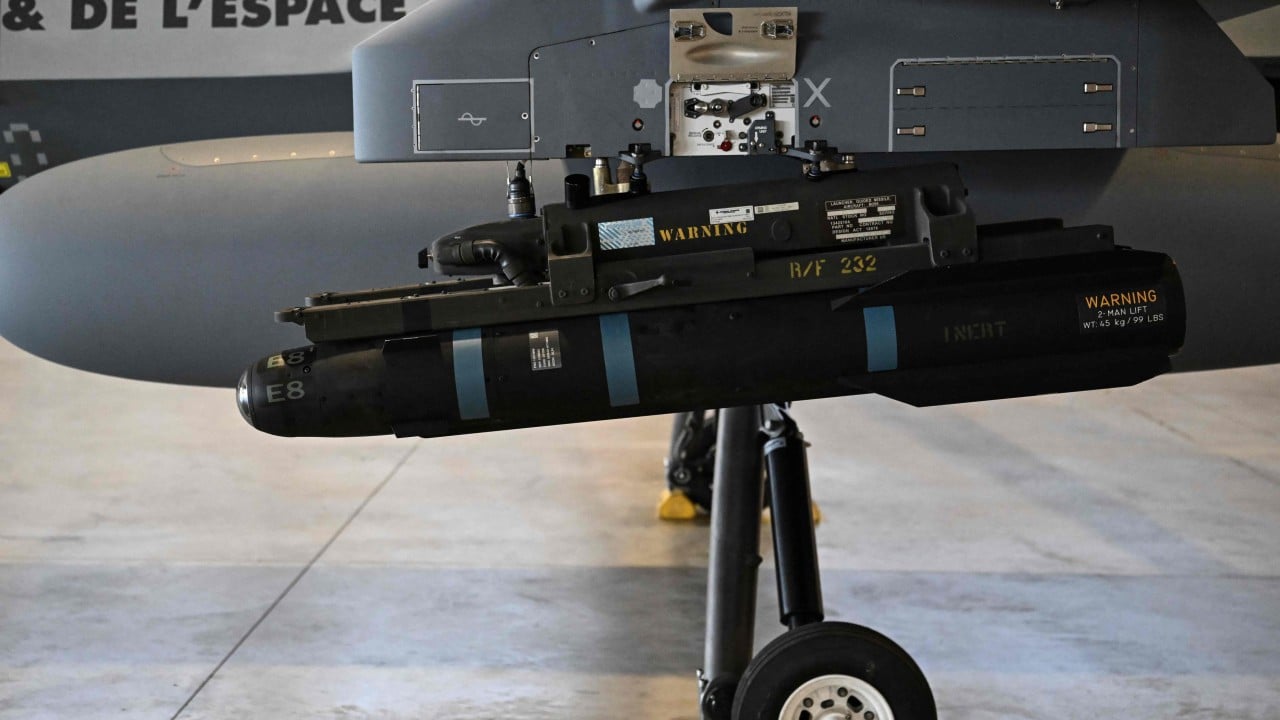
Singapore isn't trying to scare its neighbors, but it's making sure its teeth stay sharp. The United States State Department just cleared a defense package worth US$22.3 million, giving Singapore the green light to acquire more AGM-114R Hellfire missiles.
When you look at the raw numbers, this isn't a massive, headline-grabbing military overhaul. We're talking about a top-up of 24 additional missiles to an existing order, bringing the total package to 67 laser-guided weapons. But if you think this is just a routine administrative update, you're missing the bigger picture of how small states survive in a crowded neighborhood.
For a tiny island nation with zero strategic depth, defense is all about deterrence. This deal shows exactly how Singapore maintains its edge without making loud geopolitical waves.
The Real Numbers Behind the Deal
Let's look at how this deal actually breaks down. The whole package totals US$22.3 million, or about S$28.9 million.
The transaction didn't happen all at once. Singapore originally put together a smaller purchase worth US$12.4 million. Because that initial deal sat below the US$14 million threshold that requires Washington to notify Congress, it went through quietly.
Once Singapore decided to tack on another 24 missiles, the total value jumped over the limit. That triggered the public notification from the US Bureau of Political-Military Affairs on June 30, 2026.
This isn't just about the physical missiles. The money covers a massive logistics package that will keep these weapons functional for years. Here's what Singapore is actually paying for:
- Five years of AGM-114R spare parts and repair materials
- Reprogramming services for M299 missile launchers
- Software verification and calibration for testing equipment
- Chaff, flares, and technical manuals for the fleet
- Long-term engineering and logistics support from Lockheed Martin
Why the AGM-114R Hellfire Matters
You can't talk about this deal without talking about the hardware. The AGM-114R, often called the Hellfire II, is a versatile piece of tech. Manufactured by Lockheed Martin in Orlando, Florida, it utilizes a semi-active laser guidance system to track targets.
Older generations of missiles required armies to buy different variants for different targets. You needed one type for tanks and another for bunkers. The AGM-114R changed that by using a multi-purpose warhead. A single missile can now neutralize armored vehicles, urban structures, and soft targets.
For the Republic of Singapore Air Force, this multi-role capability reduces logistical headaches. They don't have to manage complex, separate inventories of specialized munitions. One missile does it all.
The RSAF will mount these weapons onto its fleet of AH-64D Apache Longbow attack helicopters. The Apache is already a formidable platform, but an attack helicopter is only as good as the ammunition it carries. Fresh stockpiles mean Singaporean pilots can maintain rigorous live-fire training schedules while keeping operational units fully loaded.
The Strategy of Quiet Deterrence
Singapore's Ministry of Defence stated that the purchase supports routine training and operational needs. They stressed that the country takes a long-term view on acquisitions to ensure spending stays cost-effective.
Washington echoed this sentiment. The State Department noted that the sale will improve the security of a strategic partner but won't alter the basic military balance in the region.
That phrase—not altering the military balance—is standard diplomatic speak. It keeps regional neighbors from panicking. Everyone in Southeast Asia knows Singapore spends heavily on defense, but the country goes out of its way to frame these moves as preservation, not escalation.
In a region where the South China Sea remains a constant flashpoint and major powers are constantly jostling for influence, maintaining a highly capable military is non-negotiable. Small nations can't afford to fall behind in technology or supply chain readiness.
What Most People Get Wrong About Modern Warfare
People often focus on flashy new platforms. They want to read about stealth fighters, new warships, or futuristic drones. But recent global conflicts have taught military planners a harsh lesson: stockpiles and logistics matter more than raw hardware.
A fleet of advanced helicopters is useless if you run out of precision ammunition in the first week of a conflict. By securing five years of spare parts, launcher upgrades, and fresh missiles, Singapore is focusing on sustainability.
The country is building depth. It's ensuring that if a crisis ever arises, its forces can sustain operations rather than running out of supplies. It's a calculated, unglamorous approach to national security that works.
If you want to track how Singapore handles its defense spending, keep an eye on these incremental tech updates. They tell you far more about real-world readiness than any military parade ever could.
The next step for the RSAF will involve integrating the software updates and launcher configurations needed to handle the expanded inventory. Expect to see these new assets quietly cycling through training exercises over the coming months.

:max_bytes(150000):strip_icc()/TAL-nassau-bahamas-BEAUTCARIB0323-4fbfce903e5a4418b895e03717e3de0d.jpg)