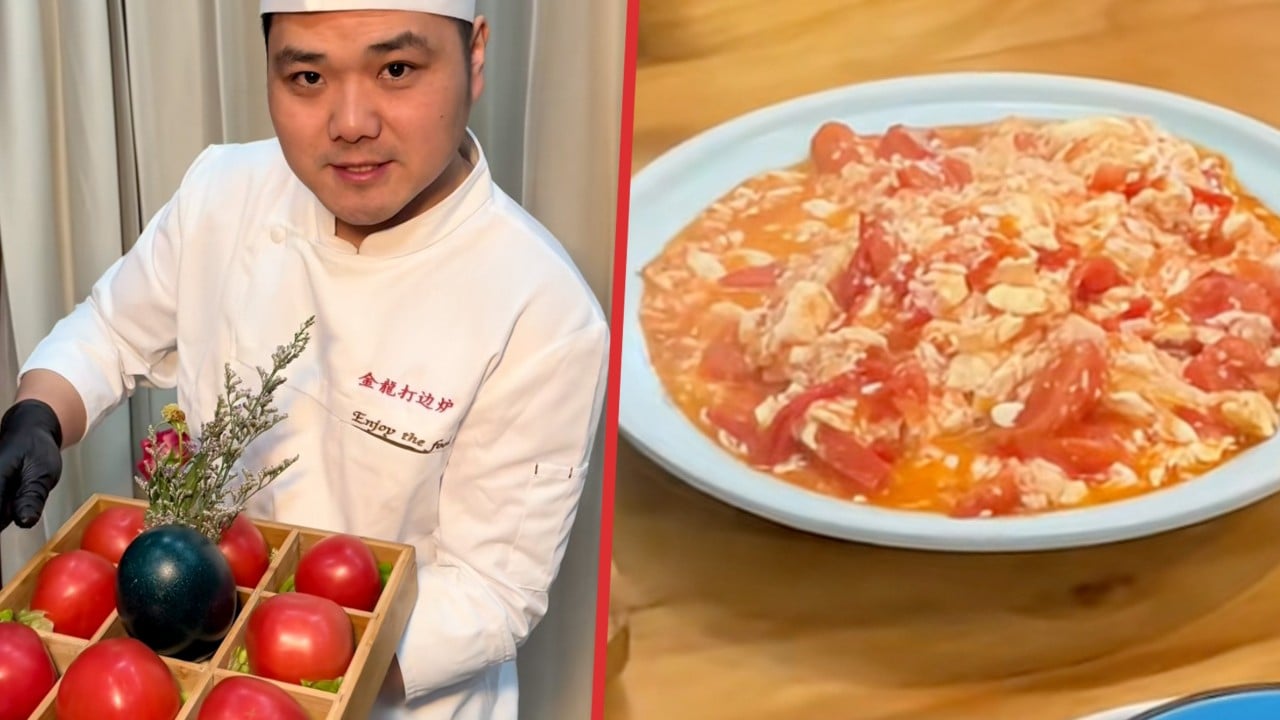
Paying 520 yuan for a dish you can whip up at home for pocket change sounds completely insane. Yet, that's exactly what people are fighting about on Chinese social media right now.
A Shanghai eatery called Jinlong Dabianlu Restaurant, tucked away in the Hongkou district, recently went viral for selling a 520 yuan ($75 USD) plate of stir-fried tomato and scrambled eggs. In China, this dish is the ultimate culinary baseline. It's the first thing college students learn to cook. It's the ultimate comfort food your mother makes when you're sick. Charging luxury steak prices for it is bound to cause an absolute firestorm.
Predictably, the internet exploded. Critics call it a glaring example of the "IQ tax" — a popular Chinese internet slang term for products that exploit foolish consumers. But if you look past the initial outrage, the strategy behind this overpriced comfort food reveals something fascinating about modern consumer psychology and restaurant branding.
The Emu Egg Gimmick in Shanghai
This isn't your standard home-cooked meal tossed into a wok with cheap vegetable oil. Vloggers who flocked to the restaurant documented a cooking process that looks more like performance art than dinner prep.
Instead of cracking a standard chicken egg against the rim of a bowl, the chef pulls out a massive, dark green emu egg imported from Germany. Emu eggshells are incredibly thick. The chef literally has to use a small hammer to break it open. Then, instead of whisking it in a plastic container, he cracks it straight into a crystal goblet. Internet reviewers noted that this bizarre ritual exuded a true sense of ceremony.
The tomatoes aren't standard grocery store finds either. The restaurant uses a premium variety known locally as the Provence tomato, which actually originates from the Netherlands. These are prized for being intensely juicy and sweet, lacking the chalky, acidic bite of mass-produced alternatives.
The restaurant only prepares one single serving of this dish per day. You cannot just walk in and order it off the cuff. You have to book it well in advance.
Breaking Down the Real Cost of the Dish
Let's look at the hard numbers because they tell a surprising story about restaurant margins. The chef openly admitted to mainland media outlets that the raw ingredients cost roughly 200 yuan ($30 USD) to acquire.
The emu egg alone commands a hefty 150 yuan price tag due to import costs and its scarcity in Chinese supply chains. The premium imported tomatoes add another 50 yuan to the bill.
From a purely transactional standpoint, a 520 yuan price tag on a 200 yuan food cost represents a markup of roughly 160%. In the world of fine dining, that margin is actually quite modest. High-end restaurants routinely mark up wine by 300% and apply massive premiums to standard cuts of meat. The real friction here isn't the margin itself. It's the fact that the platform for this markup is a dish that traditionally costs less than two dollars to make at home.
The Psychological Appeal of the Extreme Mark Up
Why would anyone willingly pay for this? The answer lies in consumer behavior and status signaling.
When you purchase a $75 plate of tomato scrambled eggs, you aren't paying for nutrition. You're buying exclusivity. Because the restaurant only makes one portion each day, the buyer purchases a monopoly on that specific experience for the night. They get to post a video of a chef hammering an emu egg into a goblet, knowing that none of their followers can easily replicate the moment.
Some internet commentators defended the business model. They pointed out that the restaurant marks its prices clearly. No one is being tricked. If wealthy patrons choose to spend their money on an oversized bird egg and Dutch tomatoes, it's a voluntary transaction.
This brings up a massive cultural divide in Chinese culinary preferences. Tomato scrambled eggs are so fiercely protected that people from different regions regularly argue online about how to prepare it. Southern cooks insist on adding sugar to highlight the fruit's sweetness. Northern purists vehemently reject the sugar, demanding a savory, salty profile. By inserting a luxurious, boundary-pushing version into this deeply personal culinary landscape, the restaurant guaranteed itself free press.
How Luxury Dining Rewrites the Rules of Comfort Food
Restaurateurs have known for decades that turning low-cost comfort food into a high-end luxury item is a shortcut to viral fame. We see it constantly with thousand-dollar golden milkshakes, white truffle french fries, and caviar-topped pizzas.
The goal of these dishes is rarely to become a staple of the permanent menu. They function as flags to draw eyeballs. The media coverage generated by a $75 egg dish brings thousands of curious patrons to the restaurant's doors, even if 99% of them end up ordering the standard, reasonably priced menu items. It's an advertisement disguised as an entree.
If you want to apply this insight to your own understanding of market trends, stop looking at the product and start looking at the attention economy. The value isn't in the stir-fry. The value is in the conversation.
Next Steps for Curious Food Lovers
If you want to experience the flavor profile of this viral sensation without booking a flight to Shanghai or buying an exotic bird egg, focus on the ingredients that matter.
- Track down high-quality, heirloom tomatoes from a local farmer's market rather than standard supermarket varieties. The intense juiciness is what defines the premium Chinese preparation.
- If you want a richer texture, experiment with duck eggs instead of standard chicken eggs. They offer a higher fat content in the yolk, mimicking the velvety mouthfeel that the Shanghai chef achieved with the emu egg.
- Balance your seasoning carefully based on your regional preference. Try a pinch of sugar to draw out the natural sweetness of the tomatoes, or stick to white pepper and scallions for a clean, savory finish.