:max_bytes(150000):strip_icc():focal(665x0:667x2)/kathy-griffin-2000-1e21e87bc3b846f5aadf140421c2111f.jpg)
The military junta running Mali is running out of options. Just months after losing the key northern stronghold of Kidal to Tuareg rebels, the military government under Colonel Assimi Goïta is facing an unprecedented, multi-front offensive that has brought the fight straight to the capital, Bamako.
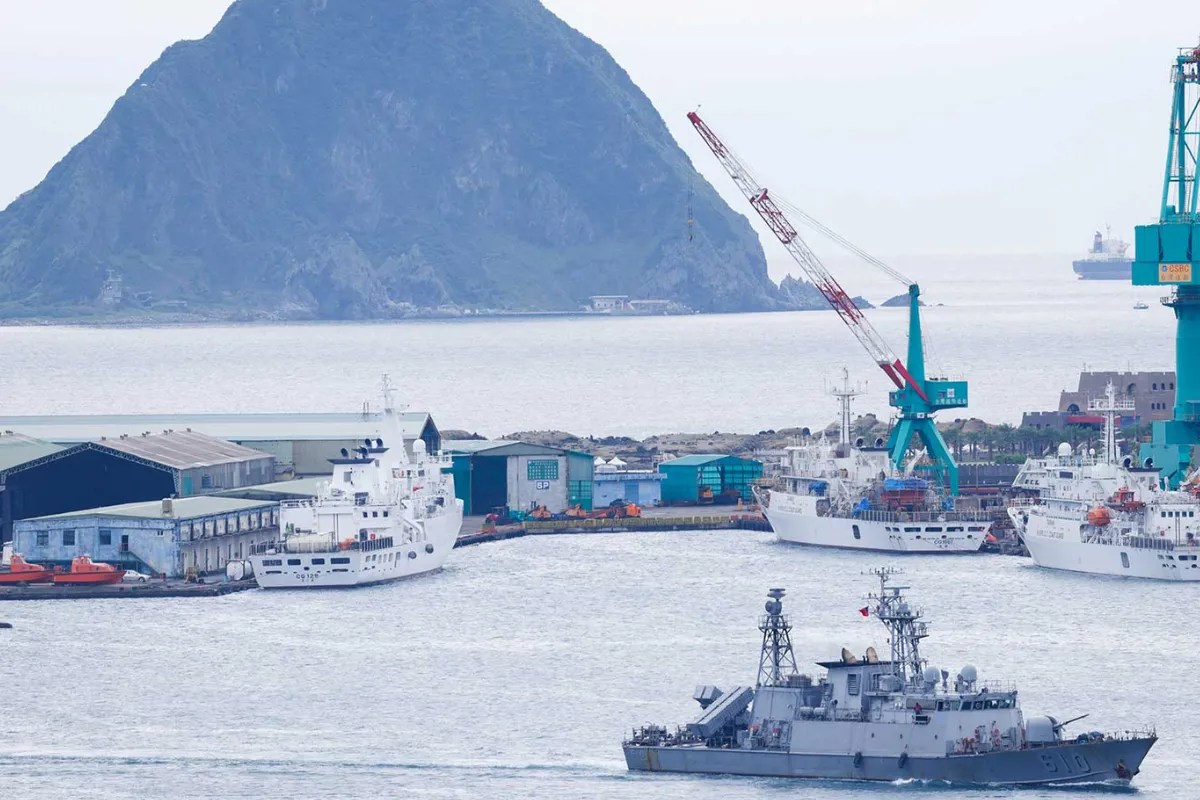
Now, Moscow is stepping in with an emergency lifeline. A Russian naval shipment packed with heavy weaponry is currently en route to the region. It is a desperate bid to help the Malian armed forces and Russia's own Africa Corps mercenaries prevent a total state collapse.
But throwing more hardware at the problem will not fix the structural failures of the Kremlin's Sahel strategy. The current crisis shows that relying on foreign mercenaries for regime protection while ignoring deep ethnic and political grievances is a fast track to disaster.
The 2026 Offensive Changes Everything
For the last two years, Mali's military rulers boasted that their alliance with Russia was successfully stabilizing the country. They kicked out French forces and UN peacekeepers, choosing instead to pay an estimated $10 million a month to Russian paramilitaries. That narrative has completely shattered.
Since late April 2026, a massive, coordinated offensive has ripped through the country. The Azawad Liberation Front (FLA), a Tuareg separatist coalition, teamed up with Jama'at Nusrat al-Islam wal-Muslimin (JNIM), the local al-Qaeda affiliate. This alliance of convenience has completely overwhelmed state forces.
- The Loss of Kidal: Rebel forces routed the Malian army and Russian Africa Corps units in northern Mali, seizing immense amounts of equipment and taking dozens of troops captive.
- Targeting the Leadership: JNIM launched devastating strikes right into the heart of the junta's power base in Bamako and Kati. The offensive killed Defense Minister Sadio Camara, the very man who orchestrated Mali's pivot toward Russia in 2021.
- The Siege State: Rebels have severed main trade routes, effectively imposing economic blockades on major urban centers. Even under the cover of newly deployed Russian first-person-view (FPV) kamikaze drones, the military is struggling to hold its ground.
Why More Guns Wont Fix the Kremlin's Sahel Problem
Moscow's answer to this tactical nightmare is a classic Soviet-style play: ship more arms. The upcoming naval delivery reportedly includes heavy artillery, combat vehicles, and ammunition meant to replenish the massive stockpile losses suffered during the retreat from Kidal.
The problem is that weapons do not solve bad strategy. Russia's Africa Corps—the state-controlled successor to the Wagner Group—has noticeably tried to shift into a backseat role over the past few months. To minimize their own body count after taking heavy casualties, Russian fighters have pulled back to secure airbases, leaving under-trained Malian soldiers to face the brunt of the ground combat.
While the Kremlin leans heavily on airstrikes and recently introduced loitering munitions to terrorize rebel lines, these actions alienate local populations. Reports of Russian-made cluster munitions being dropped in the northern Kidal region violate international conventions and turn neutral communities into active rebel sympathizers. You cannot bomb an insurgency out of existence when your own tactics are acting as the ultimate recruitment tool for the enemy.
The Shrinking Credibility of Russia's Security Model
What is happening right now in Mali is a major warning sign for neighboring Burkina Faso and Niger. All three nations severed Western ties to welcome Russian protection. They bought into the promise that Moscow could deliver swift military victories without the human rights lectures that usually come with Western aid.
Instead, the security situation across the central Sahel has rapidly deteriorated. The junta has spent its limited budget paying for foreign mercenaries while losing territorial control at a rate not seen since the original 2012 rebellion. The economic blockade of Bamako proves that the alliance cannot even protect the country's most vital supply lines.
Russia's primary objective has always been regime preservation in exchange for access to gold mines and strategic minerals. They want to keep Goïta in power so they can keep exploiting Mali's resources to fund operations elsewhere. But if the state cannot secure its own capital despite a constant influx of Russian hardware, other regional leaders will start questioning what exactly they are buying.
What Happens Next
The arrival of the Russian weapons shipment will likely spark a fierce counter-offensive from the junta in the coming weeks. Expect heavy artillery barrages and a surge in FPV drone strikes around contested hubs like Gao, Mopti, and the outskirts of Bamako.
If you are tracking geopolitical risk or security developments in West Africa, keep your eyes on the following pressure points:
- Supply Line Escorts: Watch whether the Africa Corps can successfully use its new gear to break JNIM blockades along the transport corridors connecting landlocked Mali to ports in Guinea and Côte d'Ivoire.
- The Drone Race: Monitor how effectively the Malian army deploys its new Russian tech against the rebels' own highly adaptive fiber-optic and FPV drone tactics, which have successfully bypassed military jamming equipment so far.
- Junta Stability: Keep track of internal cracks within the Malian military command. With the Defense Minister dead and the intelligence chief wounded, any failure of this incoming Russian weapons cache to turn the tide could trigger another internal coup.

:max_bytes(150000):strip_icc()/TAL-nassau-bahamas-BEAUTCARIB0323-4fbfce903e5a4418b895e03717e3de0d.jpg)