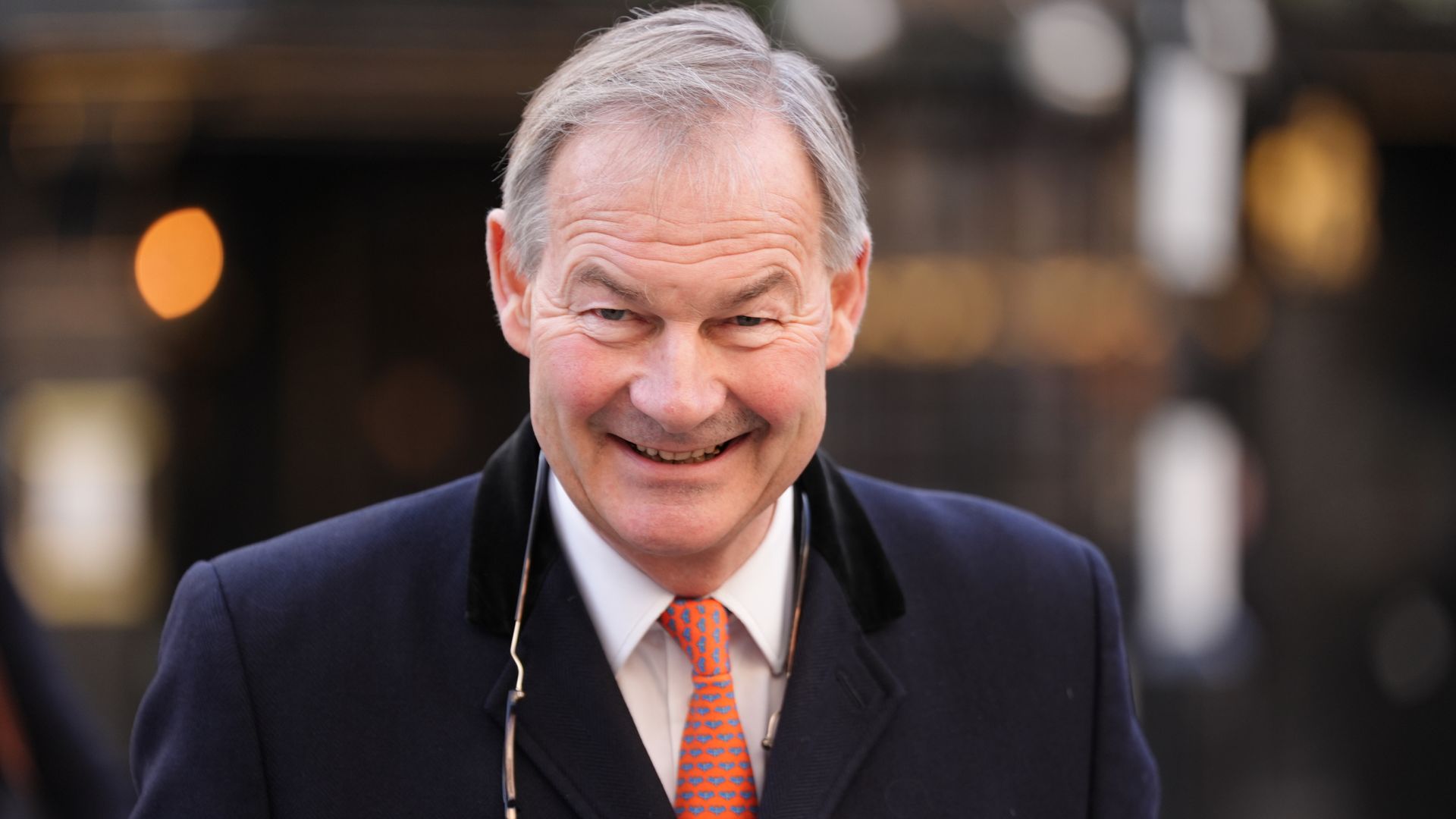
Minimizing a national tragedy is a quick way to show you are completely out of touch. Rupert Lowe, the leader of the Restore Britain party and MP for Great Yarmouth, found this out the hard way. During an appearance on the Joe Rogan Experience podcast, Lowe referred to the 1996 Dunblane school massacre as "one murder" while complaining about the UK gun laws that followed it.
It did not go down well. Families of victims, politicians from all major parties, and the British public immediately called out the remarks as insulting and downright detached from reality. When you talk about the deadliest mass shooting in British history, words matter. Reducing the slaughter of 16 young children and their teacher to a single event to complain about confiscated hobbies is a massive miscalculation.
What Rupert Lowe Actually Said
Lowe was on the podcast discussing his views on British society and the strict licensing laws governing firearms. He argued that the government makes things too difficult for law-abiding citizens who enjoy hunting or clay pigeon shooting.
Then came the comment that caused the uproar.
"As you probably know, they banned handguns in the late 90s because there was a murder up in Dunblane," Lowe told Rogan.
Rogan, seemingly confused, asked for clarification. "One murder?"
Lowe doubled down. "One murder."
He followed it up by lamenting how his late father had his target pistols taken away. The pistols his dad used to shoot with at Oxford University. To Lowe, the real tragedy seemed to be the radical change in society that stripped gun hobbyists of their weapons, rather than the loss of innocent lives.
A spokesperson for Restore Britain later tried to clean up the mess, claiming Lowe was clearly referring to "one incident" rather than a single victim. But for many, the damage was already done. The tone was dismissive.
The Reality of the Dunblane Massacre
To understand why people are so angry, you have to remember what actually happened on March 13, 1996. It wasn't just an incident. It was an atrocity that changed the country forever.
Thomas Hamilton walked into Dunblane Primary School armed with four legally owned handguns and hundreds of rounds of ammunition. He entered the gym hall where a class of five and six-year-old children were preparing for a physical education lesson.
He opened fire.
The attack killed 16 children and their teacher, Gwen Mayor, who died trying to protect her students. Another 15 children and three adults suffered horrific injuries before Hamilton turned the gun on himself. It remains the deadliest mass shooting ever committed in the UK.
The Backlash from Across the Political Spectrum
Politicians did not hold back in their criticism. The anger spanned across different parties, showing how unified the country remains on the legacy of Dunblane.
Conservative MSP Stephen Kerr, whose own children's school was locked down on the day of the massacre, called the comments genuinely shocking. He noted that reducing a school shooting to one murder is deeply insulting to the memory of the victims and the survivors who still carry the trauma. He criticized Lowe's tone, which he described as one of disbelief and mockery toward gun laws.
SNP depute leader Keith Brown, who represents the Dunblane area, called the remarks beyond despicable. He pointed out that the community worked incredibly hard through the Snowdrop Campaign to ensure a safer nation.
In the House of Commons, Labour MP Chris Kane raised a point of order, stating that Lowe's comments caused profound offense. He emphasized that the families have conducted themselves with immense dignity for three decades, working to protect future generations.
The Legacy of the Snowdrop Campaign
The strict gun laws Lowe complained about did not just appear out of nowhere. They were the direct result of a massive public movement led by the grieving parents of Dunblane.
The Snowdrop Petition gained more than 750,000 signatures in a matter of months. This public pressure, combined with the official Cullen Inquiry, led the Conservative government under John Major to ban all handguns above .22 calibre in 1997. Later that same year, Tony Blair's Labour government extended the ban to include .22 handguns as well.
This legislation effectively ended private handgun ownership in the UK. While gun advocates like Lowe view this as an overreach that harmed legitimate shooters, the vast majority of the British public views it as a necessary and highly successful measure to prevent American-style school shootings from happening on British soil.
If you want to understand the impact of these laws, look at the statistics. Mass shootings in the UK are incredibly rare. The legislation worked. Dismissing that achievement to complain about target shooting shows a massive disconnect from what the public actually values.
Your Next Steps
Pay close attention to how public figures talk about history and national tragedies. When evaluating political movements or parties like Restore Britain, look directly at the actual transcripts and uncut footage of their media appearances rather than relying solely on heavily edited soundbites. This gives you a clearer picture of their core priorities and what they truly value when they think the cameras aren't the main focus.