Naval warfare isn't just about who has the biggest missile anymore. It's about who dominates the radio spectrum. If you can't see the electronic signals radiating from an enemy fleet, you're functionally blind.
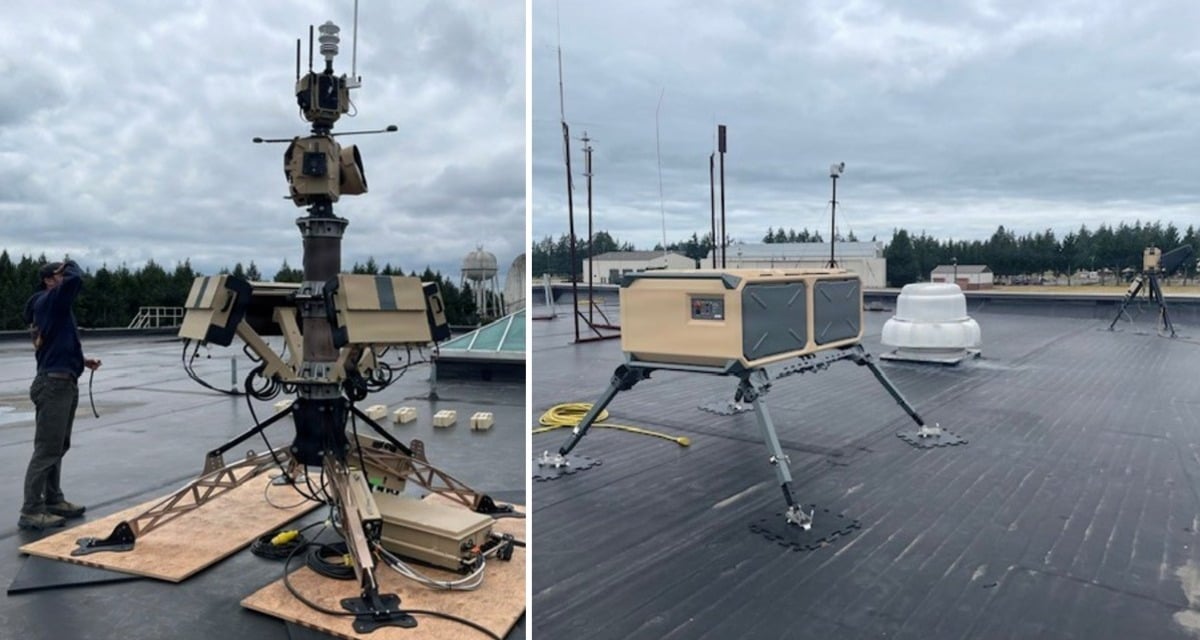
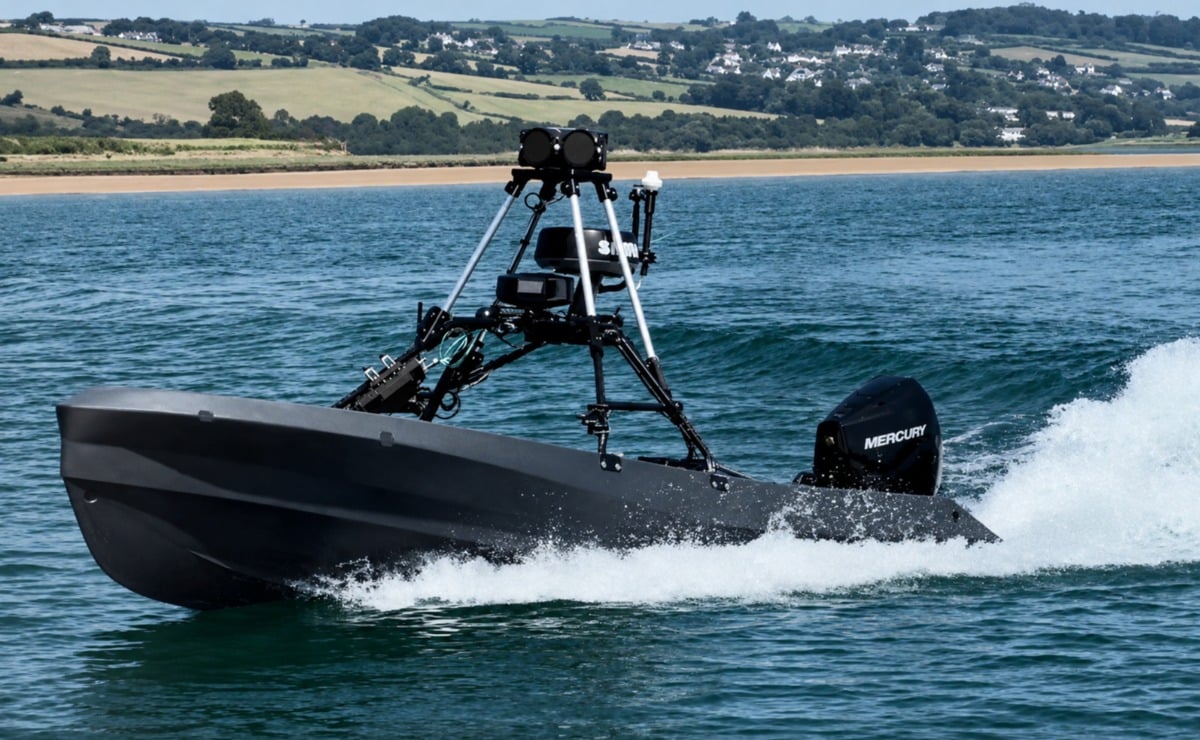
The British military just wrapped up a highly tactical trial at RMB Chivenor that changes how we think about scouting at sea. They took a New Zealand-designed uncrewed surface vessel (USV) built by SYOS Aerospace and turned it into a floating, autonomous radiofrequency (RF) sensor.
This isn't just another tech demo. It's a pragmatic shift in maritime electronic warfare. Instead of risking a multi-million-pound crewed frigate or a massive reconnaissance aircraft to sniff out enemy signals, the Royal Navy is proving it can do the job with a 7-meter drone boat that costs a fraction of the price.
The Chivenor Experiment
The trial focused heavily on tactical radiofrequency sensing in complex littoral zones. Operators packed the SYOS drone boat—known in British testing circles as part of the "Rattler" program—with sensitive RF monitoring equipment.
The goal? Deploy the boat into coastal waters, let it passively listen to the environment, and map out the electronic signatures of potential threats.
During the exercise, the USV successfully intercepted, identified, and geolocated multiple radio transmissions. It passed this data back to a land-based command hub in real time. Because the vessel sits low in the water and sports a tiny radar cross-section, it hunted for signals without giving away its own position.
Moving Past Rigid Reconnaissance
Traditional naval intelligence relies on fixed sensors, satellites, or large crewed ships. Fixed sensors can't move when the tactical situation shifts. Satellites have predictable orbit schedules. Large ships are bright, obvious targets on an enemy's radar screen.
A mobile RF sensor on a small autonomous hull rewrites that playbook.
- Persistent Loitering: Small hulls can sit off an enemy coastline for days, blending into commercial maritime traffic.
- Dynamic Baseline Adjustments: If an operator spots an interesting signal anomaly, they can redirect the drone boat closer to the source instantly.
- Expendability: Losing a 7.2-meter rigid-hull inflatable boat modified for autonomous operations hurts the wallet, but it doesn't cost sailor lives.
SYOS builds these platforms using an open-architecture autonomy software stack. This means technicians don't need a multi-year engineering program just to swap out a sensor. They bolted the RF equipment onto the modular payload bay, plugged it into the communication array, and sent it out to sea.
Scaling Up the Automated Fleet
This RF sensing trial doesn't exist in a vacuum. It fits squarely into the Royal Navy’s broader push toward a hybrid fleet. Just recently, the navy ran multi-day "wolfpack" simulation trials where five of these Rattler USVs shadowed warships, controlled by operators sitting hundreds of miles away.
The military reality driving this speed is clear. Navies are watching the Black Sea closely, where cheap uncrewed surface vessels have radically disrupted traditional naval doctrine. Defense analysts point out that SYOS has scaled production immensely, delivering over 140 maritime drones recently, with a massive chunk of their hardware tied to international defense contracts, including support packages bound for Ukraine.
The tech isn't completely flawless yet. Pushing autonomous boats into high-traffic areas has caused some growing pains, including a highly publicized minor collision between a testing drone and a civilian sailboat in Portsmouth Harbour. It's a reminder that while the sensor tech and remote command links work beautifully, navigating busy, unpredictable civilian waterways using strict international collision regulations remains an ongoing software challenge.
Your Next Steps in Maritime Autonomy
If you're tracking the intersection of electronic warfare and uncrewed systems, watch how modular payloads evolve over the next year. The move away from single-purpose hardware is accelerating.
To stay ahead of these developments, look into how open-architecture autonomy stacks like AAIMS handle real-time data filtering. The bottleneck in modern defense isn't gathering data anymore—it's processing it at the tactical edge so an operator gets an actionable insight rather than an overwhelming wave of raw radio noise. Keep your eyes on the upcoming international naval exercises in late 2026 to see how these multi-domain drone networks perform when subsea assets are introduced into the mix.