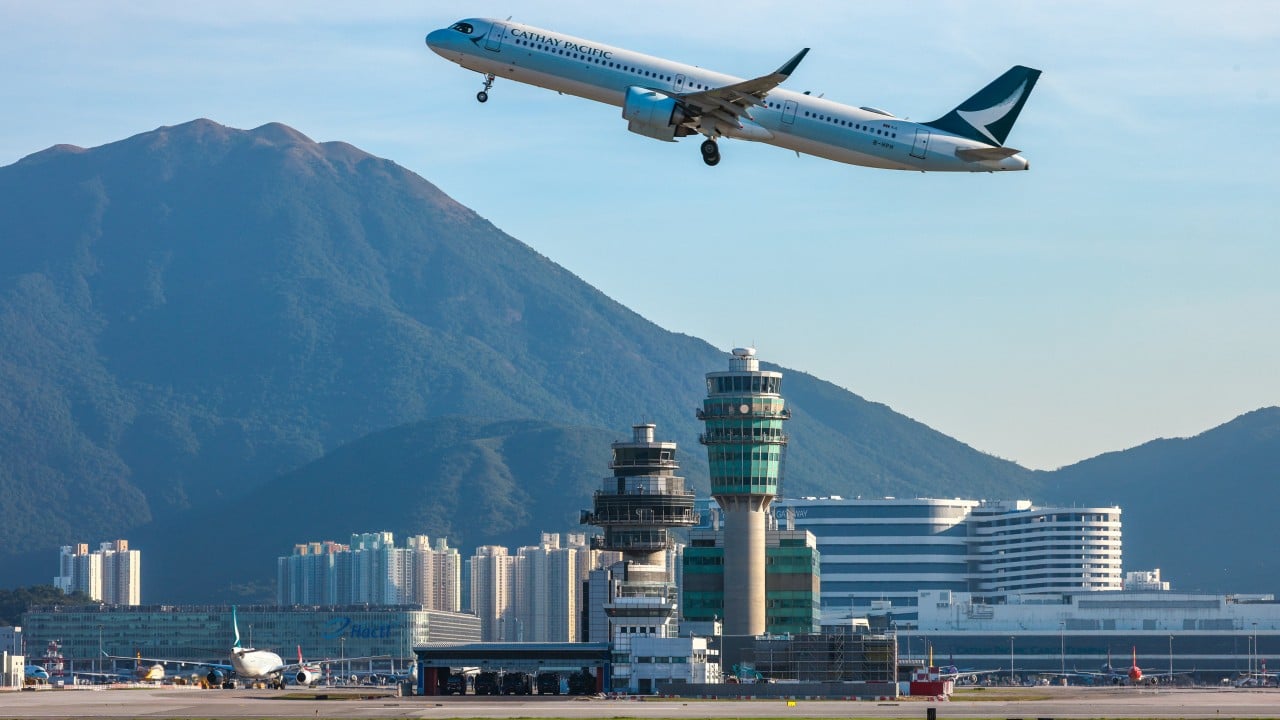
Hong Kong flag carrier Cathay Pacific is headed back to the Middle East. After a tense six-month hiatus triggered by severe regional instability, the airline announced it will officially resume passenger flights to the region this September. It is a major development.
If you think this is just standard airline rescheduling, you are missing the bigger picture. Aviation routes are the literal circulatory system of global business. When a massive player like Cathay yanks its planes out of a region, trade and tourism choke. When they return, it signalizes a major shift in both geopolitical confidence and market demand. You might also find this related article insightful: Why Ro Khanna's West Bank Detention Changes The 2028 Democratic Primary.
The suspension happened back in late February 2026. Tensions spiked following military strikes involving the US, Israel, and Iran. Airspace became too unpredictable. Insurance rates for aircraft skyrocketed. For a business recovering its footing after years of pandemic-era isolation, Cathay simply could not take the risk.
Now, the airline is staging a aggressive comeback. Here is what the rollout actually looks like on the ground. As highlighted in detailed articles by The Guardian, the effects are significant.
The Timeline for the Regional Comeback
Cathay is not dumping all its assets back into the region overnight. They are taking a calculated, staged approach to rebuilding these critical connections.
The cargo division gets the green light first. Cathay Cargo will resume its regular freighter operations to Riyadh starting August 1, 2026. This matters because belly cargo and dedicated freighters move the high-value tech components, luxury items, and time-sensitive materials that keep the Hong Kong-Saudi trade corridor functional.
Passenger operations follow exactly a month later. On September 1, 2026, two primary routes kick off.
First, the Hong Kong to Dubai service returns to a full daily schedule. Dubai acts as the primary transit node for the entire region, meaning business travelers can finally bypass the inconvenient multi-stop detours they suffered through all spring and summer.
Second, the carrier will run four weekly passenger flights to Riyadh. This route is particularly significant given Saudi Arabia’s massive push to diversify its economy away from oil via its Vision 2030 initiatives.
Tickets are already on sale. The airline explicitly stated they are watching the security environment like a hawk, but opening up bookings shows real corporate confidence that the worst of the regional airspace volatility has passed.
Why This Move Redefines Asia to Gulf Travel
People frequently underestimate how much the loss of direct flights hurts regional hubs. When Cathay pulled out, travelers between the Greater Bay Area and the Gulf were forced to rely heavily on Middle Eastern giants like Emirates or Qatar Airways. Competition dwindled. Ticket prices surged.
Having a major East Asian carrier back in the game restores balance to the market. It gives corporate travelers options. More importantly, it helps cement Hong Kong's role as a primary aviation gateway to mainland China.
Think about the sheer volume of mainland Chinese investments pouring into Saudi Arabia and the UAE right now. Corporate delegations, tech executives, and government officials need direct, efficient routes. Spending an extra five hours sitting in an airport terminal on a multi-legged flight is a massive waste of capital.
The Logistics Crisis Travelers Faced During the Pause
Honestly, the last six months were a mess for logistics coordinators. When the suspension hit, it did not just affect people flying out of Hong Kong. It broke connecting itineraries for passengers originating in Tokyo, Sydney, and Taipei who used Hong Kong as their primary stepping stone to the West.
I talked to logistics managers who had to reroute sensitive corporate electronics through European hubs just to get them into Saudi Arabia. It was inefficient. It added days to supply chains. It drove up operating costs at a time when companies were already battling inflation.
The resumption of the Riyadh freighter service in August will instantly ease that pressure. Air freight capacity will stabilize, and shipping rates between South China and the Middle East should finally normalize after months of unpredictable spikes.
Real Factors Driving the Flight Resumptions
Airlines do not make these decisions because they feel like it. They make them based on hard data, security assessments, and diplomatic shifts.
Several factors pushed Cathay to pull the trigger now.
Diplomatic channels have been working overtime. Recent efforts to de-escalate the friction following the early 2026 military strikes have started showing results. Air corridors that were previously avoided are now deemed safe by global aviation watchdogs.
Furthermore, Cathay is not acting in a vacuum. Other global carriers are quietly restoring their networks in the region too. For instance, Turkish Airlines aggressively expanded its network footprint over the summer. Cathay knows that if it waits too long to reclaim its slots in Dubai and Riyadh, competitor airlines will permanently capture that market share.
What to Do If You Need to Book These Routes
If you are planning corporate travel or logistics shipping between Hong Kong and the Gulf for the autumn, you need to act quickly.
Do not wait for September to arrive before looking at inventory. Because these routes have been dark for half a year, there is a massive backlog of travelers waiting to secure seats. Early flight legs will likely book out fast, especially in premium economy and business class cabins.
Verify your connection times carefully. If you are connecting through Hong Kong from other parts of Asia, double-check that the new September schedules align cleanly with your feeder flights. The airline has shifted some slot allocations during the disruption, so old flight numbers and times might not match up perfectly with what you remember from last year.
Keep a close eye on fuel surcharges. Regional conflicts drove oil prices up over the last few terms, and airlines have adjusted their pricing formulas accordingly. Factor these extra fees into your corporate travel budgets before approving long-term itineraries.
Secure your bookings directly through official channels to ensure maximum flexibility. If geopolitical conditions shift again, navigating cancellations or rebookings is vastly simpler when dealing directly with the carrier rather than a third-party aggregator. Monitor official travel advisories weekly as your departure date approaches.

:max_bytes(150000):strip_icc()/TAL-nassau-bahamas-BEAUTCARIB0323-4fbfce903e5a4418b895e03717e3de0d.jpg)