Don't be fooled by the sudden burst of goodwill. When Beijing released Pastor Ezra Jin Mingri on July 3, 2026, allowing him to board a flight to Los Angeles just in time for America's Independence Day, it wasn't an act of mercy. It was a calculated diplomatic chess move.
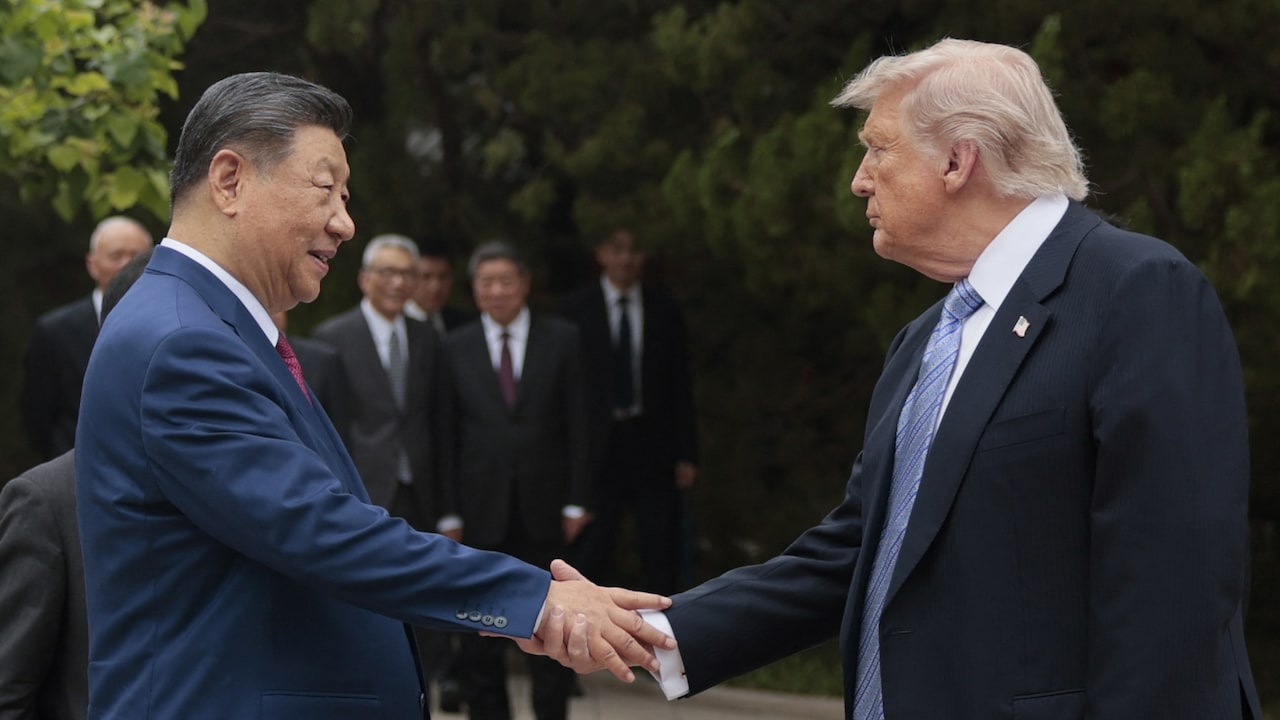
The senior pastor of Beijing's prominent underground Zion Church had spent nearly nine months in arbitrary detention. His sudden freedom came less than two months after US President Donald Trump personally pressed Chinese President Xi Jinping on the matter during a high-profile Beijing summit in May.
To the casual observer, this looks like transactional diplomacy at its finest. Trump asks, Xi delivers, and a family reunites after years of painful separation. But behind the scenes, this release tells us everything we need to know about how Beijing manages its relationship with Washington, what it takes to get political prisoners out of China, and why other high-profile detainees won't be getting a ticket home anytime soon.
The Backstory Beijing Wanted to Erase
You can't understand why Jin's release matters without looking at what Zion Church represents. Founded by Jin in 2007, Zion quickly grew from a tiny 20-person gathering into a massive spiritual network boasting over 10,000 worshipers across 40 Chinese cities. It became one of the largest unregistered house churches in the country.
In China, that kind of growth is dangerous. The officially atheist Communist Party demands absolute control over religious life. While the state recognizes five religions, any group that refuses to register with state-approved associations faces immediate scrutiny. Jin consistently rejected state interference. The breaking point arrived in 2018 when Jin refused government orders to install surveillance cameras inside his sanctuary. Beijing responded by banning the church outright.
Jin moved his family to the US for safety but chose to return to mainland China to continue his ministry online. That bravery cost him. In October 2025, authorities launched a sweeping crackdown, raiding Zion locations in 11 cities. Jin and 17 other church leaders were hauled away. By November, they faced formal charges of illegally using information networks, which later morphed into allegations of illegal business operations.
Personal Diplomacy and the Art of the Political Gift
What changed? Trump went to Beijing in May 2026.
During that state visit, Trump handed Xi a short list of names. On his flight back to Washington, Trump told reporters that he explicitly raised Jin's case. Xi's response was telling. According to Trump, the Chinese leader promised he was "gonna strongly consider the pastor."
He did more than consider it. Chinese officials openly told Jin that his release directly resulted from those presidential discussions. Framing the release around July 4th was a deliberate touch, designed to give the US administration a public victory without making Beijing look weak.
This is classic Chinese statecraft. Prisoners of conscience are often treated as diplomatic currency, stored away until they can be traded for maximum political leverage. By releasing Jin now, Beijing achieves two things. It signals to Washington that personal appeals to Xi can yield results, and it clears a major human rights hurdle before upcoming economic and trade negotiations turn ugly.
What Most People Get Wrong About This Diplomatic Thaw
It's easy to look at Jin's return to Los Angeles and assume that US-China relations are entering a warm, cooperative phase. They aren't. This isn't a systemic shift; it's a tactical pause.
While Jin is free, the underlying apparatus of religious suppression in China remains totally untouched. Human rights groups like ChinaAid and Human Rights Watch confirm that at least eight other members of Zion Church remain locked up. Thousands of other believers, from underground Catholics to Uyghur Muslims, face systemic persecution daily under Xi's policy to Sinicize religion, forcing all faiths to align with party ideology.
We also have to look at who didn't get released. During that same May summit, Trump pressed Xi on the case of Jimmy Lai. The 78-year-old pro-democracy media tycoon and founder of Apple Daily was handed a crushing 20-year prison sentence in Hong Kong under the National Security Law.
Trump's own account of Xi's reaction to Lai's name reveals the hard limit of this diplomatic thaw. Xi flatly told Trump that Lai's case was a "tough one."
Why the double standard? It comes down to perceived threat levels. To Beijing, Pastor Jin was a domestic religious dissident whose release satisfies a core constituency of Trump's political base without threatening the core survival of the regime. Jimmy Lai, on the other hand, is viewed by the Communist Party as a chief architect of political defiance in Hong Kong, an existential challenge to Beijing's sovereignty, and a figure who allegedly colluded with foreign powers. Releasing Lai would signal systemic weakness. Releasing Jin just looks like a favor between leaders.
What Happens Next
If you're tracking the trajectory of US-China relations, don't read Jin's release as a sign that Beijing is softening its stance on human rights or national security. Instead, look at it as a roadmap for how future diplomatic deals will be struck.
For Washington, the lesson is clear. Personalized, top-level pressure works for specific humanitarian targets, but it won't change China's domestic policies. For businesses and policymakers watching from the sidelines, expect the rhetorical hostility between the two superpowers to dial down slightly over the coming weeks, but don't expect structural changes on trade, tariffs, or tech restrictions.
The immediate next step belongs to the US State Department. Activists are already demanding that Washington use the momentum from Jin's release to push for the remaining Zion Church members and other high-profile prisoners of conscience, like Pastor Wang Yi of the Early Rain Covenant Church. Whether the White House can pull off a second miracle depends entirely on what they're willing to trade for it.