You can't talk about the conflict in Ukraine without looking closely at Enerhodar. It's the town built explicitly to service the massive Zaporizhzhia Nuclear Power Plant, Europe's largest atomic facility. When Russian forces rolled in and seized the plant early in the 2022 invasion, the strategic equation changed completely. Moscow essentially locked down a massive source of power generation, using the site as both a shield and a geopolitical bargaining chip.
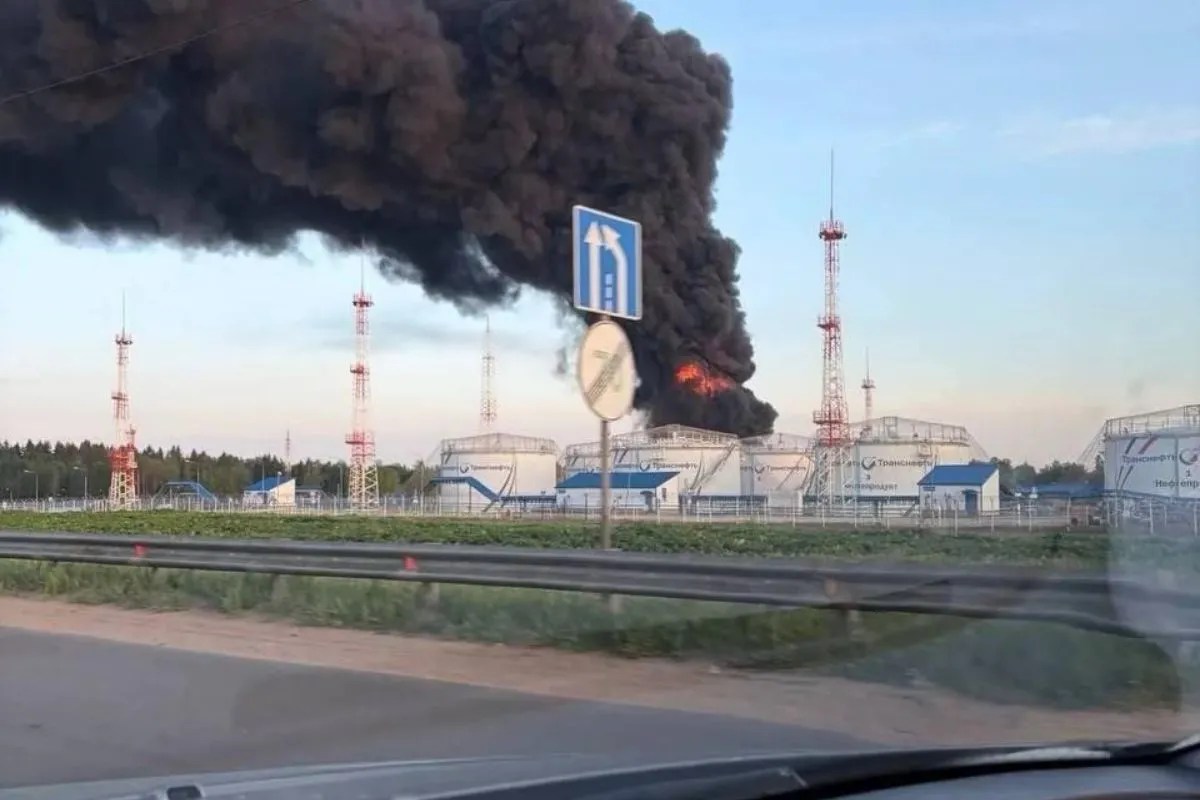
Now, a fatal drone strike has directly targeted Enerhodar, turning the town into a literal flashpoint. According to reports confirmed by Alexei Likhachev, the head of Russia's state nuclear corporation Rosatom, the attack left four civilians dead—two men and two women—and wounded four others. It's the bloodiest single day the city has seen in quite some time, and it happened just 48 hours after Russian officials met with the International Atomic Energy Agency (IAEA) to talk about plant safety.
The High Stakes of Fighting Near a Nuclear Hub
Honestly, the situation around Enerhodar has always been a tightrope walk. For over two years, both sides have traded blame over shelling and drone incursions near the cooling ponds and reactor buildings. The IAEA team on the ground has repeatedly sounded the alarm, but this recent strike raises the heat significantly because it shows a willingness to press attacks directly inside the municipality where the power plant's workforce lives.
If you look at how things have played out, the drones didn't hit the actual containment domes this time. Instead, they struck infrastructure inside the city limits. This matches a broader pattern we've seen where localized electrical substations and transport hubs keep getting targeted. When an explosion knocks out power to Enerhodar, it doesn't just make life miserable for the locals; it systematically degrades the external radiological monitoring equipment that the IAEA relies on to ensure things aren't leaking.
What Most People Get Wrong About the Zaporizhzhia Risk
A common misconception is that a single drone strike on a reactor will instantly cause a Chernobyl-style meltdown. It's not that simple. The six reactors at the Zaporizhzhia plant are currently sitting in a state of cold shutdown. They aren't actively pumping out massive amounts of electricity into the grid like they used to, which reduces the immediate risk of a catastrophic thermal explosion.
The real danger lies in the cooling systems. Even in a shutdown state, nuclear fuel needs constant, uninterrupted cooling to keep from overheating. The plant relies on high-voltage external power lines, like the 750 kV Dniprovska line, to keep its pumps running. When military activity disconnects these lines—which happened multiple times already this year—the facility has to fire up emergency diesel generators. If those generators fail or run out of fuel during a prolonged blackout caused by surrounding strikes, that's when a true disaster scenario begins.
The Geopolitical Blame Game
Right after the strike, Moscow immediately pointed fingers at Volodymyr Zelenskyy's government, claiming the attack shows a total disregard for nuclear safety. Russian Foreign Ministry spokesperson Maria Zakharova wasted no time using the incident to pressure international observers, demanding that the IAEA explicitly condemn Ukraine for the operation.
On the flip side, Ukrainian officials typically don't comment directly on specific drone operations inside occupied territories. Kyiv's broader stance remains firm: Russia turned a peaceful nuclear facility into a militarized base, and the only true way to guarantee safety is a complete withdrawal of Russian troops and the return of the plant to Ukrainian control.
Next Steps for Regional Safety
Don't expect the tension to ease up anytime soon. With mid-range and long-range drone strikes scaling up dramatically across the frontline, towns like Enerhodar remain in permanent jeopardy. If you want to understand where this situation goes next, keep your eyes on these critical points:
- IAEA Monitoring Reinforcements: Watch whether the international community successfully pressures both nations to establish a strict, expanded demilitarized buffer zone directly around the outer suburbs of Enerhodar.
- Grid Infrastructure Repairs: Pay attention to how quickly the damaged electrical substations in the town can be restored to keep the plant's backup monitoring systems functional.
- Worker Relocation Shifts: Monitor whether Rosatom attempts to clear out local Ukrainian workers who refused to sign Russian contracts, substituting them completely with Russian personnel, which could trigger operational vulnerabilities due to unfamiliarity with the specific layout.
The margin for error around Europe’s largest nuclear hub is practically non-existent. One miscalculated drone flight could easily turn a localized tragedy into a continental nightmare.