You are standing in line at a bustling city post office, holding a package, thinking about your afternoon plans. Suddenly, your throat catches. Your nose burns like it is on fire. Everyone around you starts coughing violently, gasping for air, and clutching their chests.
This was not a chemical weapon attack. It was a careless mistake.
On July 1, 2026, a crowded post office in Nagoya became the scene of a bizarre public health emergency. A 22-year-old man accidentally triggered a canister of heavy-duty bear repellent inside the building. The fallout was immediate. First responders rushed to the scene, fourteen emergency vehicles lined the streets, and five people ended up in the hospital.
The incident highlights a strange new reality. This unexpected bear spray accident in Japan exposes a massive, systemic problem. Urbanites are increasingly carrying industrial-grade wildlife deterrents without having any idea how to handle them.
Chaos in Nagoya: The Post Office Mishap
The drama unfolded right around lunchtime at a post office in the Kanayama district of Nagoya, a busy area packed with restaurants and apartment complexes just a short walk from the station. A young Vietnamese national named Huynh Nhat Duy was carrying a canister of ultra-potent bear repellent. While inside the facility, he managed to accidentally discharge the pressurized can.
The effects of the aerosol cloud were instant and devastating in the enclosed space.
Emergency services received a frantic call at 11:50 a.m. stating that a substance resembling bear repellent had been released and multiple people were struggling to breathe. When paramedics arrived, they found eight individuals experiencing intense physical distress. Victims complained of severe nasal irritation, throat burning, uncontrollable coughing fits, and hyperventilation.
Five of those victims—two men and three women ranging from their 20s to their 50s—had to be loaded onto stretchers and transported to a local hospital. Fortunately, everyone remained conscious, and officials confirmed there were no long-term or life-threatening injuries.
The aftermath for the person responsible was swift. He apologized immediately, explaining to officers that the discharge was completely unintentional. Despite his remorse, Nagoya police arrested him the following day on charges of suspicion of obstruction of business.
The Chemical Reality of Bear Repellent
To understand why this caused a massive emergency response, you need to realize that bear spray is not just a slightly stronger version of the defensive pepper spray someone might keep on a keychain. It is an entirely different beast.
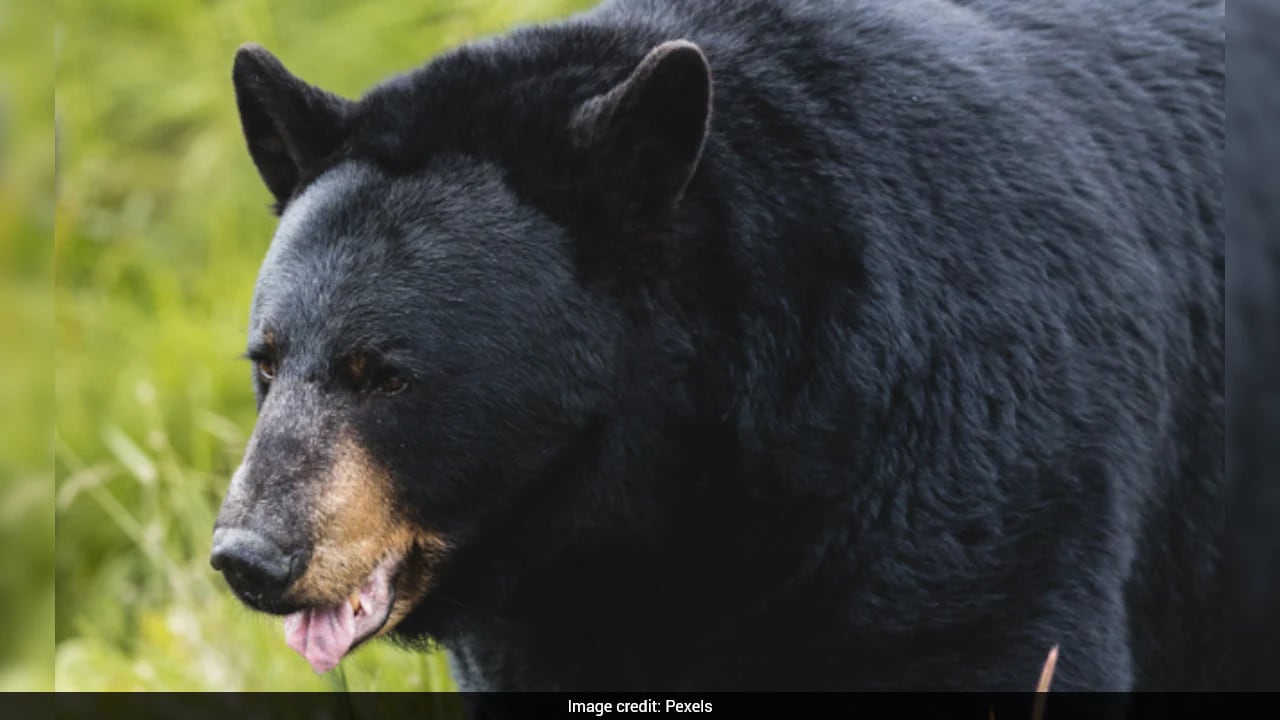
Standard self-defense spray meant for humans is designed to be used at close range, usually maxing out at a distance of about ten feet. Bear repellent is a highly pressurized weapon engineered to create a massive, atomized cloud of pain capable of stopping a 600-pound charging grizzly or Asian black bear from thirty feet away.
The active ingredient is capsaicin, a concentrated chemical component extracted from hot chili peppers. The stuff used against bears sits at a brutal concentration level, typically around 2% major capsaicinoids.
When that mist hits a closed, poorly ventilated environment like a city post office, it behaves like tactical tear gas. The microscopic droplets hang in the air, instantly binding to the moisture in human eyes, noses, and lungs. It triggers an involuntary physical reaction. Your eyes slam shut, your airways constrict, and your body goes into a panic-driven fight-or-flight response.
Witnesses inside the Kanayama post office described the sensation as terrifying. One moment they were waiting in line, and the next they literally could not draw a breath.
Why Are People Carrying Bear Deterrents in the Middle of a Major City?
Nagoya is a sprawling metropolis of over two million people. It is a concrete jungle, not a wilderness trail. So why was someone carrying a massive can of wildlife repelling spray into a post office?
The answer lies in a terrifying environmental crisis sweeping across Japan.
The country is currently enduring an unprecedented surge in bear encounters and maulings. Since the start of the current season on April 1, 2026, at least five people have been confirmed killed by bears in Japan. Authorities are actively investigating a sixth suspected fatality in a rugged northern mountainous region where a body was discovered bearing distinct animal bite marks.
To put those numbers into perspective, data compiled by the Environment Ministry shows that this is the first time since records began in 2017 that more than two bear-related fatalities have occurred in the April-to-June quarter alone. This follows a horrific previous fiscal year that saw a record-breaking 13 deaths nationwide.
Bears are changing their behavior because their environment is changing. Experts point to a few converging factors:
- Exploding Bear Populations: Conservation efforts and shifting forest dynamics have allowed bear numbers to climb significantly.
- Rural Depopulation: As younger generations abandon small farming villages for big cities, rural buffer zones vanish. Abandoned fields turn into overgrown brush, creating perfect cover for wildlife right up to the edges of towns.
- Food Scarcity: Unpredictable weather patterns have disrupted the seasonal availability of acorns and nuts in the mountains, forcing hungry animals to search elsewhere for sustenance.
Bears are no longer staying in the deep woods. They are walking down paved streets. Just last month, dozens of police officers, local hunters, and municipal officials spent four chaotic days tracking a bear that was wandering through Utsunomiya, a city located north of Tokyo. The presence of the animal forced mass school closures and left residents terrified.
In another bizarre case, a remarkably intelligent bear managed to slide open a window, turn on a water tap, and attack four workers across two separate factories in Fukushima before vanishing back into the wild.
Because of this constant, anxiety-inducing news coverage, ordinary citizens are terrified. Communities are taking extreme measures. In Hachioji, located on the outer fringes of Tokyo, local authorities announced an emergency plan to purchase 700 canisters of anti-bear spray for distribution to schools and civic groups. They are also deploying movable electric fences and high-pitched sonic deterrent devices.
When the public is told that wild animals are invading urban spaces, people go to outdoor supply stores and buy heavy-duty defense gear. The problem is that they carry it into their everyday lives without considering the safety mechanics.
The Dangerous Mistakes People Make With Bear Spray Safety
If you decide to purchase and carry bear repellent, you have a strict responsibility to understand how the equipment functions. Looking at the Nagoya post office incident, it is highly probable that the individual fell victim to one of several classic user errors.
Leaving the Safety Clip Off
Every legitimate canister of bear repellent comes equipped with a highly visible, plastic safety wedge or clip that sits securely beneath the trigger mechanism. This clip prevents the trigger from being depressed during transport. A shocking number of people pull this clip off the moment they buy the can, thinking they need the weapon ready for instant deployment.
That is an incredibly stupid mistake. Without the safety clip, any shifting inside a backpack, pocket, or purse can compress the lever. If you drop your bag or bump against a counter, the canister will discharge.
Improper Storage and Transport
Bear spray canisters are highly pressurized vessels. They are vulnerable to heat and puncture.
Never throw a canister loosely into a cluttered bag where keys, pens, or tools can jam into the nozzle mechanism. Experienced wilderness guides use specialized holsters that shield the trigger area. Furthermore, leaving these canisters inside a hot car during the summer months can cause the pressurized container to burst, filling your vehicle with a toxic cloud that will ruin the interior and potentially cause an accident if you are driving.
Lacking a Basic Action Plan
People buy these items for peace of mind, but they never actually practice handling them. You need to know exactly how the locking mechanism feels under your thumb. You must know which way the nozzle points without having to look at it closely.
If you ever find yourself in a situation where bear spray has been discharged inside a building or enclosed space, you must act instantly to minimize injury.
- Evacuate Immediately: Do not try to be a hero or gather your belongings. Move crosswind or out into the fresh air as fast as possible.
- Do Not Rub Your Face: Capsaicin is an oil. Rubbing your eyes or skin will only grind the chemical deeper into your pores, intensifying the burning sensation.
- Flush with Water: Use copious amounts of cool, clean water to rinse your eyes and skin. Avoid using milk or soaps unless they are specifically formulated to break down heavy oils.
- Seek Fresh Air and Ventilate: Let the ambient air dry your skin. If someone is hyperventilating or has pre-existing asthma, get them medical attention immediately, as the respiratory distress can trigger a severe attack.
The ongoing wildlife crisis in Japan means that bear repellent is going to remain a common sight in bags and backpacks across the country. However, public safety tools are only safe when the public actually knows how to use them. Carrying a powerful chemical deterrent requires vigilance, proper holsters, and a respect for the raw power contained within that metal can. Without those safeguards, the next place facing an emergency evacuation could be your local grocery store, train station, or office building.