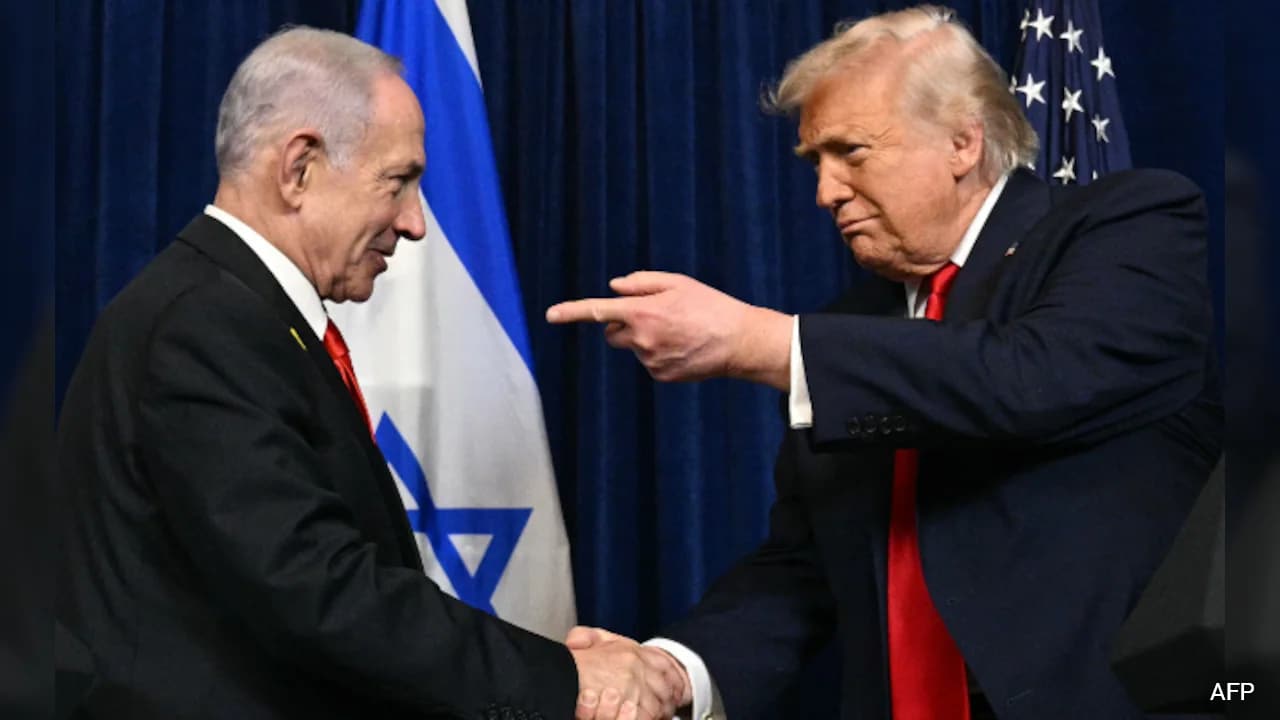
Donald Trump doesn't do subtle. When he spoke to Axios over a quick phone call, he decided to remind everyone exactly who holds the steering wheel in the US-Israel relationship. "We get along very good," Trump said, before dropping the real hammer: "Netanyahu knows who the boss is."
It sounds like classic campaign-trail bluster, but the timing tells a completely different story. This isn't just a casual boast. It's a calculated public reassertion of American dominance at a moment when the Middle East is sitting on an absolute powder keg.
Netanyahu recently called Trump to offer congratulations for the 250th anniversary of American independence. On paper, the Israeli Prime Minister's Office painted a picture of pure harmony, calling the United States the ultimate guarantor of global freedom. They agreed to meet soon in Washington. But beneath that polished diplomatic veneer, relations are fraying in ways we haven't seen in years.
The Cracked Mirror of the February Strategy
To understand why Trump felt the need to publicly claim the "boss" title, you have to look back at what happened in the White House Situation Room. The two leaders met to hammer out a joint strategy. Netanyahu arrived with a highly aggressive blueprint for a combined military campaign against Iran.
That plan didn't stay on paper. By the end of that month, the skies over Iran were filled with fire as a massive joint US-Israeli military operation commenced. The campaign reshaped regional politics instantly, culminating in the assassination of Iranian Supreme Leader Ali Khamenei.
But launching a war together doesn't mean you agree on how to end it. Right after the initial strikes, the cracks in the alliance started showing. Netanyahu wanted a total, unrelenting push to dismantle Iran’s entire military infrastructure, including its ballistic missile stockpiles. Trump had a different plan. He wanted to force Tehran to the negotiating table from a position of absolute strength.
That fundamental disagreement has triggered intense friction behind closed doors. Insiders close to the Oval Office have grown openly skeptical of the Israeli prime minister's long-term judgment. One prominent US official openly stated that many of the president’s closest advisers believe Netanyahu has been completely wrong about everything since the campaign started.
The Secret Phone Calls and the Lebanon Friction
The tension boiled over during a private phone conversation where Trump didn't hold back. He reportedly lambasted Netanyahu over Israel's military escalation in Lebanon, even going so far as to call the Israeli leader crazy and accusing him of showing zero gratitude for American military support.
Trump is trying to manage a fragile regional balance. He wants to wind down the active fighting and secure a massive diplomatic victory. Netanyahu, facing his own domestic survival battle, keeps pushing the accelerator.
The policy divide became undeniable when Trump went ahead and signed a memorandum of understanding to extend the ceasefire with Iran. He did this while simultaneously reopening direct nuclear talks with Tehran. It was a direct snub to Netanyahu, who had spent weeks loudly voicing his reservations.
Trump also demanded that Israel scale back its northern operations and accept a framework that requires an early troop withdrawal from southern Lebanon. For Netanyahu, who has built his entire political brand on unrelenting security, these demands are an incredibly tough pill to swallow.
The Khamenei Funeral and the Bizarre Pause
Right now, the entire conflict is on a strange, temporary pause. Trump confirmed he’s closely watching the massive funeral ceremonies in Tehran for the slain Supreme Leader. According to Trump, the Iranian regime is practically begging to make a deal.
The two sides agreed to a week-long operational pause while the funeral events wrap up. Trump promised that neither side would take military action during this window, but he couldn't resist throwing in some characteristically blunt commentary.
"They are all there," Trump remarked, noting that the entire Iranian leadership elite was gathered in one spot. "One shot and we can take them all out, but we are not going to do that because then we would have nobody to negotiate with."
He also expressed outright skepticism about the massive crowds mourning Khamenei in the streets of Tehran, suggesting the grief might not be genuine. "Maybe it's fake tears," he mused.
This commentary highlights the bizarre nature of current US foreign policy. On one hand, the US is engaging in high-stakes nuclear diplomacy with a nation it just struck militarily. On the other hand, the American president is publicly daydreaming about wiping out their entire government in a single afternoon.
Why Netanyahu is Desperate for a White House Photo Op
Netanyahu is dealing with a brutal political reality back home. Israel is heading into a high-stakes general election, and the current polling numbers are disastrous for the long-serving prime minister. He is trailing his main rivals significantly.
In Israeli politics, showing that you can handle, influence, and stand as an equal next to the President of the United States is the ultimate electoral currency. Netanyahu desperately needs to walk into the Oval Office, shake Trump's hand in front of the cameras, and project an image of absolute unity to voters back home.
Trump knows this. By publicly declaring that Netanyahu knows who the boss is right before negotiating the final details of the visit, Trump is stripping away Netanyahu’s leverage. He is telling the Israeli electorate, and the world, that Netanyahu is the junior partner who takes orders, not the co-commander of the regional war.
This creates a massive dilemma for the Israeli delegation. If they reject the meeting or delay it too long because of scheduling conflicts around Trump's upcoming NATO summit trip to Turkey, Netanyahu looks isolated. If they accept it under these terms, they are tacitly accepting Trump's public characterization of the power dynamic.
The Growing Rift in Conservative Circles
This public posturing is also causing significant waves within American domestic politics. The Republican party has traditionally maintained an ironclad, uncritical stance toward Israel’s security decisions. But Trump's pragmatism and his desire to avoid another long, drawn-out foreign entanglement are creating new political fault lines.
High-profile conservative commentators, including figures like Tucker Carlson, have previously expressed frustration with what they view as Washington’s excessive deference to Israeli policy. Trump's sudden pivot toward ceasefires, nuclear negotiations, and calling Netanyahu crazy behind closed doors shows that the old rules of American conservative foreign policy are out the window.
Trump is running on a platform of ending foreign conflicts, not expanding them. He is perfectly willing to throw his closest regional ally under the bus publicly if it helps him secure a peace deal that he can pitch to American voters as a masterstroke of diplomacy.
What to Watch Next
The coming days will reveal whether this relationship can survive the immense pressure of the current geopolitical climate. As the NATO summit in Turkey approaches, the scheduling of the White House visit will serve as a clear barometer of where things stand.
If you want to understand how this plays out, watch these specific indicators over the next two weeks.
- The NATO Summit Timing: Watch if the White House meeting happens immediately after Trump returns from Turkey or if it gets pushed back. A delay means the back-room arguments over Lebanon and Iran are worsening.
- The Ceasefire Terms: Keep a close eye on the language coming out of the renewed nuclear talks with Tehran. If the US signals further sanctions relief without Israeli input, the rift is official.
- The Israeli Election Polling: Watch how the Israeli public reacts to Trump’s "boss" comment. If Netanyahu’s numbers drop further, he may be forced to take a more defiant public stance against Washington to salvage his domestic right-wing base.
The alliance isn't breaking entirely, but the terms of engagement have permanently changed. Trump has made it clear that if Israel wants American military might, it has to follow the American playbook. Netanyahu might not like the script, but with an election looming and the region on fire, he might not have a choice.

:max_bytes(150000):strip_icc()/TAL-nassau-bahamas-BEAUTCARIB0323-4fbfce903e5a4418b895e03717e3de0d.jpg)