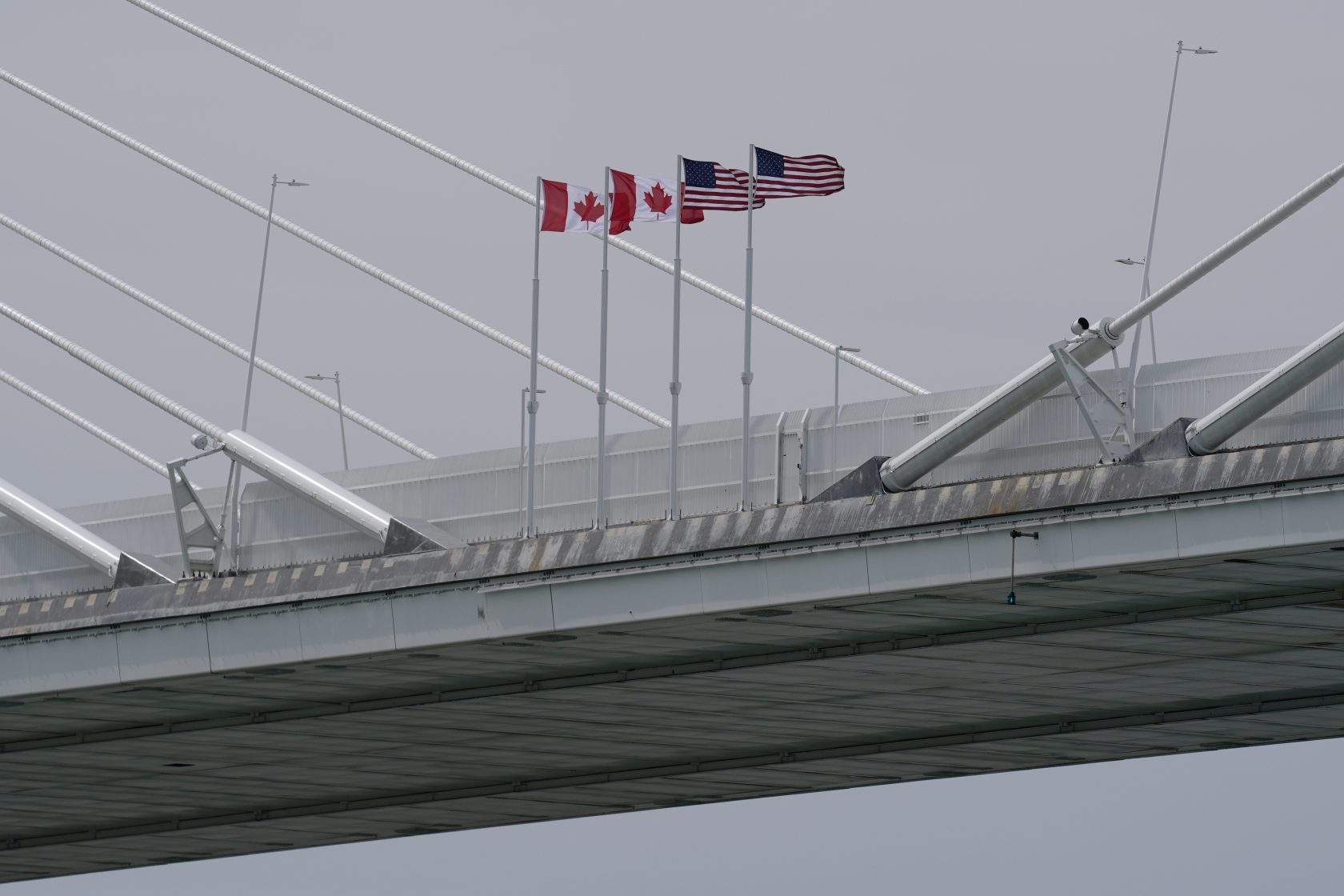
The corporate press wants you to believe the sudden delay of the Gordie Howe International Bridge was just a minor administrative hiccup. It wasn't. It was a high-stakes game of political chicken that almost crippled the busiest trade corridor in North America.
Invitations were already printed. Dignitaries had cleared their schedules for the June 12 ribbon-cutting ceremony. Then, at the absolute eleventh hour, the United States government pulled the plug. For weeks, a completed $6.4 billion megaproject sat empty over the Detroit River while politicians argued behind closed doors. Discover more on a related topic: this related article.
Now, insiders confirm the standoff has broken. The bridge will officially open to commercial traffic on July 27. It's a massive relief for supply chains, but the story behind the delay reveals exactly how fragile international trade infrastructure can be when domestic politics get in the way.
The 2012 Handshake That Sparked a 2026 Feud
To understand why Washington abruptly halted the opening, you have to go back to the original deal signed in 2012. Back then, Canada made a highly unusual offer to Michigan Governor Rick Snyder. Ottawa agreed to pay for the entire construction of the bridge. Every single cent. Further reporting by USA.gov highlights related perspectives on the subject.
Canada took on the multi-billion-dollar financial risk because the Canadian economy depends on this border crossing. Roughly one-quarter of all trade between Canada and the United States passes through the Windsor-Detroit gateway. For Canada, a bottleneck here is a direct threat to national GDP. The plan was simple. Canada builds the bridge, collects the tolls to recoup its massive investment, and eventually splits the profits with Michigan.
Things changed when the White House decided the old deal wasn't good enough anymore.
In February, Washington started making noise about the arrangement. The administration claimed Canada was taking advantage of American infrastructure and threatened to block the opening unless the United States received immediate compensation. Commerce Secretary Howard Lutnick intervened directly in June, forcing the Windsor-Detroit Bridge Authority to postpone the grand opening.
American officials started rewriting history. They publicly claimed that the idea of Canada paying for the bridge was a myth, ignoring the billions of dollars Ottawa had already spent. It was an aggressive renegotiation tactic, plain and simple.
Follow the Money and the Ambassador Bridge Monopoly
You can't talk about this delay without talking about the billionaire Moroun family. They own the aging Ambassador Bridge, which has held a literal monopoly on commercial truck traffic in the region for nearly a century. A new, modern public bridge is bad for their private bottom line.
The Morouns have spent decades funding legal challenges and political campaigns to kill the Gordie Howe project. Reports indicate that Matthew Moroun met privately with Commerce Secretary Lutnick right before the White House started attacking the bridge deal.
Congressional Democrats immediately launched an investigation into whether the Moroun family used political influence to deliberately obstruct the opening. They demanded logs of all communications between the family and the White House. While that political theater plays out in Washington, the economic reality on the ground became too big to ignore.
The current border setup is a logistical nightmare. The Ambassador Bridge is old. It requires trucks to crawl through local Windsor streets, hitting dozens of traffic lights before they ever reach the highway. It causes idling emissions, missed shipping windows, and constant frustration. The region desperately needs the new crossing, regardless of who gets to brag about the toll revenue.
What the New Deal Actually Means for Logistics
The new agreement finalized on July 10 patches over the cracks, but it shifts the financial math. While full details are still emerging, the compromise includes a 15-year economic development fund tied directly to a portion of the bridge profits.
American politicians are already taking victory laps. Some claim the United States will now see up to half of the toll revenue and get a direct hand in setting toll rates. There are also strict new clauses designed to prevent Chinese-manufactured electric vehicles from utilizing the corridor to bypass tariffs.
Canadian Prime Minister Mark Carney downplayed the drama. He framed the renegotiation as a routine clarification of terms. That's diplomatic code for giving up just enough revenue to make the problem go away. Canada wanted this bridge open. The cost of a prolonged delay outweighed the cost of sharing the toll booth profits.
Financially, the stakes are staggering. The automotive sector relies heavily on this specific crossing. Car parts cross the Detroit River multiple times during the manufacturing process. A bumper made in Ontario might be shipped to Michigan for painting, sent back to Canada for assembly, and then shipped back to the United States for sale.
When the border slows down, assembly lines stall. The new bridge bypasses local streets completely, linking Ontario's Highway 401 directly to Michigan's Interstate 75. It changes everything for freight efficiency.
What Happens Next for Border Crossers
With the July 27 opening date set, logistics managers and daily commuters need to pivot immediately. You shouldn't wait for the official political ribbon-cutting ceremony to adjust your routes.
If you manage freight or drive a commercial rig, you need to update your customs profiles now. Ensure your customs brokers are fully briefed on the new port of entry codes for the Gordie Howe crossing. Test your documentation pipelines early to avoid teething issues during the first week of operation.
Expect massive traffic fluctuations at the old Ambassador Bridge as carriers test the new infrastructure. Some fleets will switch to the Gordie Howe bridge on day one, while others will wait to see how customs processing times handle the initial volume. Monitor real-time border wait times closely during the final week of July.
The political games delayed the project, but they couldn't kill it. The bridge is finally ready, and it's time to change your route.