Rahm Emanuel didn't just break diplomatic protocol this week. He took a sledgehammer to it.
When a prominent American politician with presidential ambitions books a flight to Tel Aviv, they usually go to kiss the ring, reaffirm unbreakable bonds, and pose for photo-ops. Instead, Emanuel stood at Tel Aviv University on July 8, 2026, and delivered an absolute blistering takedown of Prime Minister Benjamin Netanyahu. Recently making waves in this space: Why The New India Campaign For Unsc Non-permanent Seat Is A High Stakes Diplomatic Battle.
His message was blunt. The historic alliance between the United States and Israel is at a definitive crossroads. It cannot survive as it has been.
For decades, the standard playbook for centrist Democrats was unconditional public backing for Israel, mixed with quiet, behind-the-scenes grumbling. Emanuel—a former Chicago mayor, White House chief of staff, and son of a Jerusalem-born Irgun fighter—just permanently closed that playbook. Further insights regarding the matter are covered by The New York Times.
By declaring that the United States must end its defense budget subsidies to Israel and push for direct sanctions against extremist settlers, Emanuel signaled a massive, structural tectonic shift in American politics. The old guard of the Democratic Party isn't just worried about losing progressives anymore. They're changing their own core position.
The Illusion of Unconditional Support
The biggest mistake Washington made for decades was thinking silence equaled friendship. Emanuel admitted this out loud in his speech, calling it "our mistake."
For too long, American policy operated on the assumption that backing Jerusalem meant standing behind its government blindly, without demands or consequences. That blank-check policy backfired. It allowed Netanyahu to operate under the assumption that he could ignore American strategic concerns without ever paying a price.
Now, the bill has come due.
The numbers back up why Emanuel is taking this risk. Public opinion has fundamentally broken down. A recent AP-NORC poll shows that 58% of Democrats now believe the U.S. is "too supportive" of Israel, a major jump from previous years. Almost half of the party's voters believe Israel’s military campaign in Gaza has crossed the line into genocide—a claim the U.S. government officially rejects, but one that carries immense political weight among the voters Emanuel needs if he launches a 2028 presidential bid.
Netanyahu has spent years tilting his chips heavily toward Donald Trump and the Republican Party. He bet that he could bypass Democratic critics entirely. Emanuel’s speech is proof that the strategy has created a massive structural fault line.
Losing Europe and Heading for a Dead End
Emanuel didn't mince words about Israel's growing isolation. He warned the audience directly that under Netanyahu’s current path, Israel is fast becoming a pariah state.
"You've lost Europe," Emanuel warned. He pointed out the quiet, creeping institutional boycott already happening. Israeli scientists are getting frozen out of international research networks. Artists and academics are finding doors shut in their faces at global conferences.
The pursuit of a "Greater Israel"—including the creeping annexation of the West Bank and the total destruction of Gaza without a political endgame—is what Emanuel labeled a fanatical, self-destructive fantasy. He explicitly tied it to the extremist Palestinian chant "from the river to the sea." Both, he said, are dangerous illusions that lead nowhere.
But Emanuel’s critique wasn't a one-sided progressive lecture. He leaned heavily on his deep personal ties to the country. He mentioned his uncle's grave on Jerusalem’s Mount of Olives. He acknowledged that Israel has offered sovereignty to Palestinians three times since the 1990s, only to be met with rejection and violence.
Yet, he argued, Israel cannot let its policy be held hostage by a past defined entirely by recriminations. You can't fight forever against a world that has stopped believing you have a right to fight.
Moving Beyond the Discredited Two-State Formula
The most surprising policy shift in Emanuel’s speech was his declaration that the traditional two-state solution is dead and discredited. Instead, he proposed what he calls a "23-state solution."
The concept replaces the isolated Israeli-Palestinian dynamic with a regional integration framework. It calls for:
- The 21 nations of the Arab League to step up, stop using Palestinian rights as a mere political slogan, and actively help govern a viable Palestinian authority.
- Arab leadership to hold Palestinians accountable to being real partners in peace who recognize the historic Jewish connection to the land.
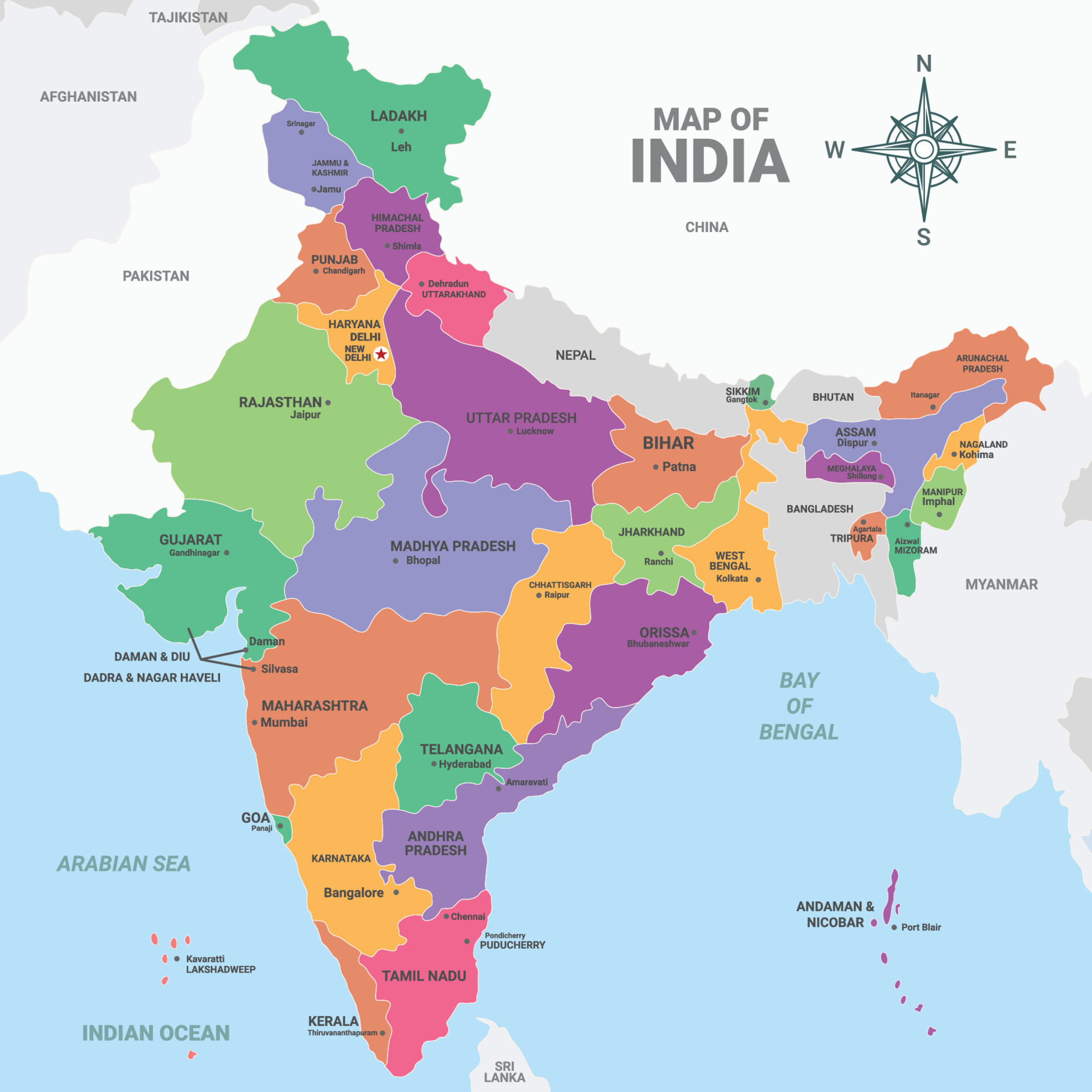
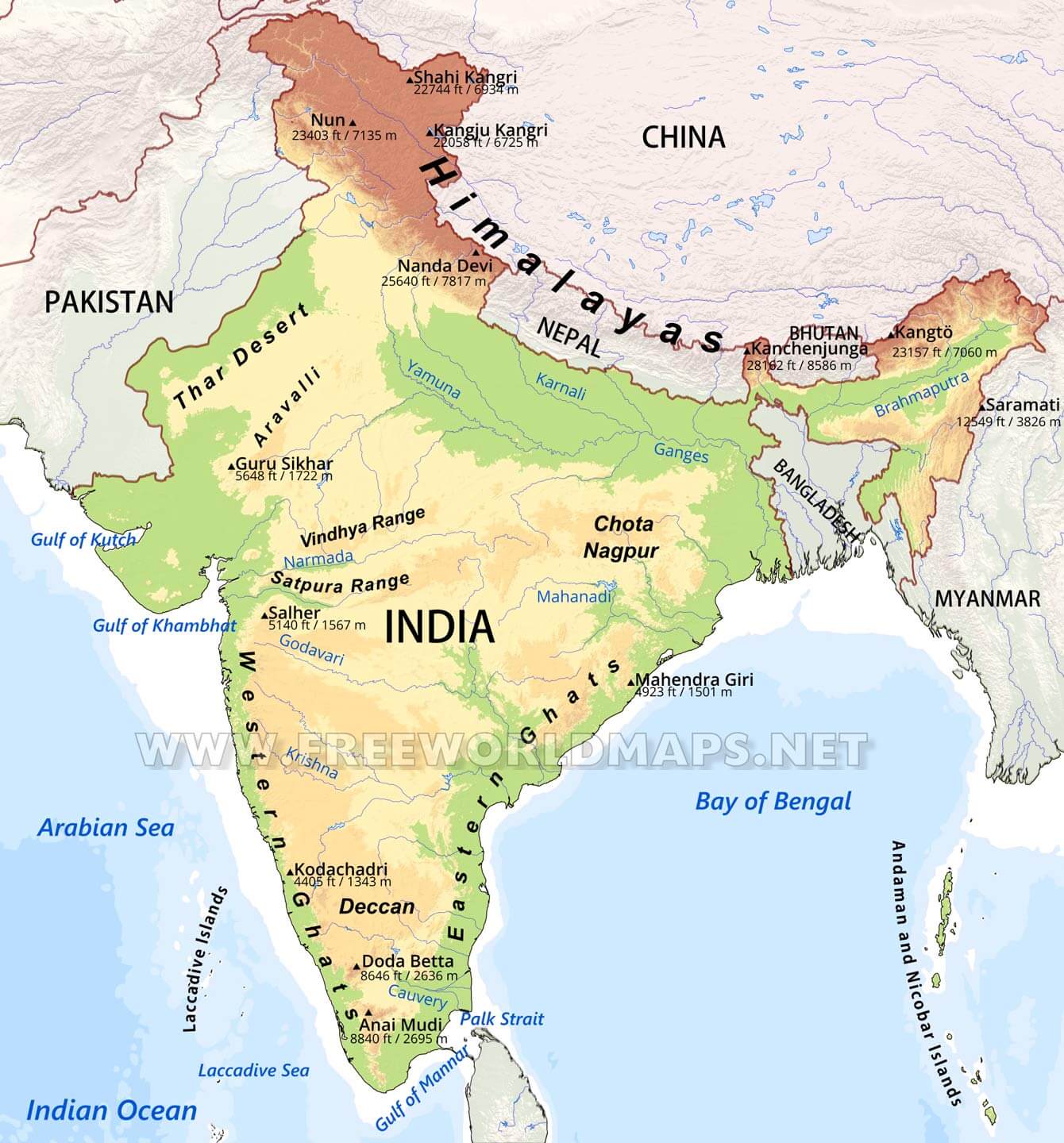
- A massive economic trade corridor linking Europe to India via a secure, technologically integrated Middle East hub.
It sounds ambitious, maybe even idealistic. But it shifts the burden of security and governance away from a bilateral standoff and forces regional actors to put skin in the game.
What This Means for the Future of American Aid
If you want to know where the actual leverage is, look at the money. Emanuel laid out concrete policy shifts that would have been unthinkable for a centrist Democrat a few years ago.
First, he called for a total end to the American taxpayer subsidy of Israel's defense budget. Under his proposal, Israel would still buy American weapons, but under the exact same financial terms, restrictions, and legal requirements as any other trusted ally. No special carve-outs. No special accounting.
Second, he backed direct U.S. sanctions against extremist settlers who attack Palestinian civilians in the West Bank, as well as the banks and corporations that fund them.
This isn't just a speech to change minds in Tel Aviv. It’s a blueprint for a brand-new type of Democratic foreign policy. Emanuel is testing the waters for a non-traditional presidential campaign after the 2026 midterms, and he's betting that the American electorate is ready for a much tougher, transactional relationship with its closest Middle Eastern ally.
If Israel wants to preserve its most critical alliance, its leaders will have to realize that the old rules no longer apply. The status quo is officially unsustainable.