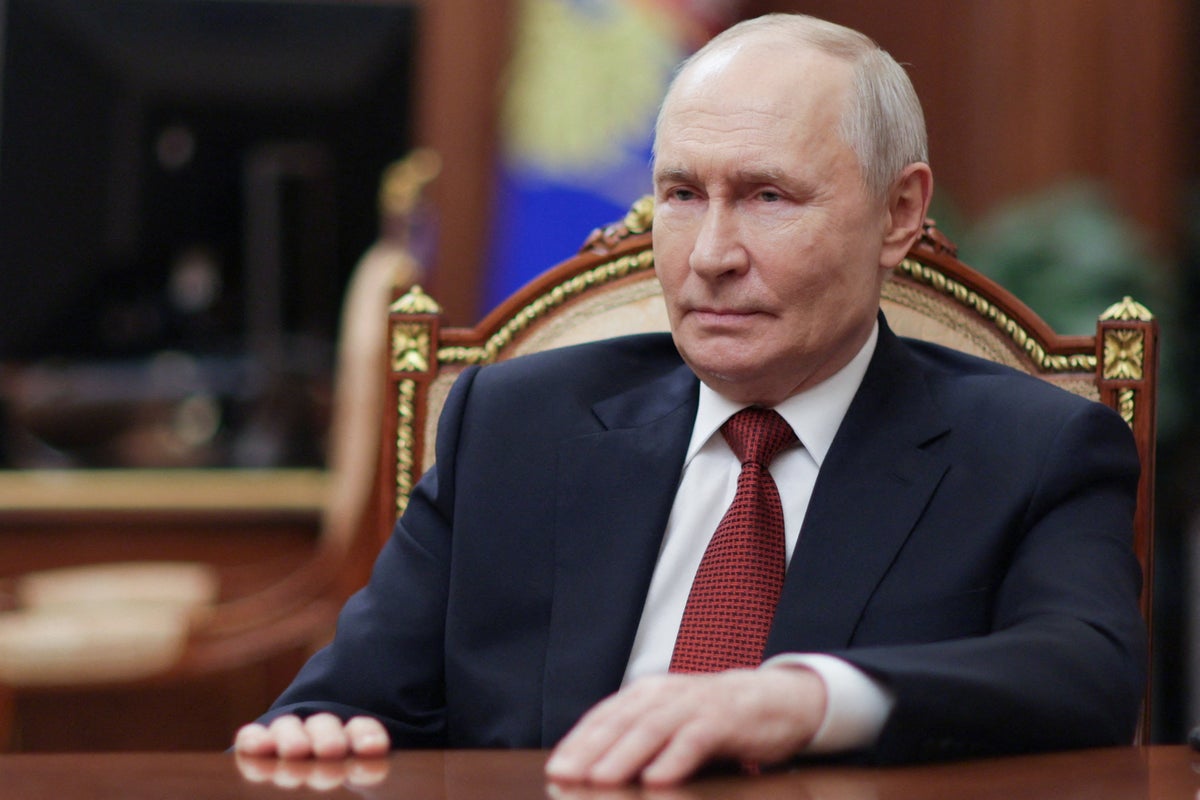
Vladimir Putin doesn't apologize, and he definitely doesn't admit failure. That's why his recent Sunday address to ruling party members sent shockwaves through the international community. For the first time since launching the full-scale invasion of Ukraine in 2022, the Russian president publicly conceded that his country is facing severe problems. He specifically pointed to fuel shortages and the relentless wave of Ukrainian drone strikes hitting domestic infrastructure.
It's a massive shift in tone. For years, the official line from Moscow was that everything was going precisely according to plan. Now, that facade has cracked.
You have to look at what's actually happening on the ground to understand why this matters. This isn't just political theater. It's a rare moment of honesty forced by undeniable economic strain. Ukraine has spent months targeting the literal fuel of the Russian economy, and it's working. If you're trying to figure out what happens next in this conflict, you need to look past the battlefield stalemates and focus on the empty gas stations inside Russia itself.
The Sunday Confession That Shocked Moscow
When Putin stood in front of his ruling party, nobody expected him to go off-script. He acknowledged that Russia is going through a tough period. He admitted the country has learned painful lessons. That might sound like mild political speak to an outsider, but in the context of Russian state media, it's an earthquake.
For nearly four years, state television has insulated everyday citizens from the frontlines. They called it a special military operation. They jailed people for calling it a war. They claimed Russian defenses were impenetrable.
That lie is no longer sustainable.
Ukrainian drone strikes have surged by an astonishing 2600% over the last two years. Think about that number. This isn't a few isolated incidents anymore. It's a coordinated, systematic air campaign targeting the deep interior of the country. Drones are flying hundreds of miles past the border, evading radar, and slamming into oil refineries, storage depots, and supply hubs.
Putin had to address it because his citizens are filming the explosions on their phones. When an oil refinery blows up in St. Petersburg during a major international economic forum, you can't tell people it was a scheduled maintenance drill. The smoke columns are visible from high-rise apartments. The public knows. Putin knows they know. His admission was a desperate attempt to manage the narrative before panic takes over.
Gas Station Reality Beats State Propaganda
The real crisis isn't just the physical damage to these factories. It's the economic ripple effect hitting ordinary citizens. Russia is one of the biggest oil producers on earth, yet its own people are now facing fuel rationing.
Refinery strikes have knocked out huge chunks of Russia's domestic refining capacity. Because of this, regional governments have quietly started restricting gasoline and diesel purchases. Imagine pulling up to a gas station in a major Russian city and being told you can only buy a few liters, or that premium fuel is entirely out of stock. It causes immediate, localized anger.
Social media networks in Russia are buzzing with complaints. People are sharing videos of long lines at pumps. They're venting about sudden price spikes. The war was fine when it stayed on television. It's a completely different story when you can't fill up your car to drive to work.
The chaos extends to the skies as well. Air travel across western Russia is facing constant disruption. Drone alerts frequently shut down airspace around major cities. Flights get diverted. Passengers end up trapped at airport gates for days at a time. The smooth, normal daily life that the Kremlin promised to protect is falling apart.
To make matters worse, the government just rolled out sweeping new internet restrictions. Officials claim these blockages are necessary to stop Ukraine from coordinating drone paths using public networks. But the public isn't stupid. They see that the internet is slow, apps don't work, and the drones are still hitting their targets anyway. It's a double blow to public morale.
Why Air Defenses are Failing to Stop the Drones
A lot of military analysts are asking a simple question. How is a global military superpower failing to shoot down relatively slow, cheap drones?
The answer comes down to math and geography. Russia is massive. You can't protect every square inch of the sky.
Historically, Russian air defense networks were built to stop high-altitude jets and massive ballistic missiles coming from NATO countries. They weren't designed to spot a flock of low-flying, carbon-fiber drones that cruise just above the treeline at double-digit speeds. These drones have incredibly small radar cross-sections. By the time a local defense unit spots them, it's usually too late.
Ukraine is exploiting this vulnerability perfectly. They launch saturation attacks, sending dozens of drones toward a single target simultaneously. Even if Russian systems shoot down 80% of them, the remaining 20% still get through. And when it comes to an oil refinery full of flammable chemicals, a single hit is all it takes to cause millions of dollars in damage and weeks of downtime.
Russia has been forced to make hard choices. Do they pull air defense systems away from the frontlines in Ukraine to protect factories at home? If they do, their soldiers on the ground get hammered by Ukrainian artillery. If they don't, their domestic economy bleeds out. It's a classic no-win scenario.
The Two Front Pressure Forcing a Strategy Shift
The Kremlin is caught in a vise right now. The pressure isn't just coming from Ukrainian tech outside the borders. It's building from inside the Russian military apparatus itself.
Reports from independent military analysts and veteran networks paint a dark picture of life in the ranks. Russian formations are heavily depleted. Some estimates suggest the military is functionally missing dozens of organized battalions due to staggering casualty rates. Frontline soldiers and security figures are openly furious about systemic corruption, incompetent commanding officers, and meat-wave assaults that offer zero chance of survival.
This internal anger is dangerous for Putin. He remembers the brief mutiny by Yevgeny Prigozhin and the Wagner group. That event showed everyone how quickly state authority can freeze when armed men decide they've had enough. While a massive military coup isn't guaranteed tomorrow, the grumbling among nationalist bloggers and military veterans is getting louder and harder to censor.
So, how does Moscow respond? Historically, when Putin feels cornered, he escalates. Expect to see intensified missile strikes against Ukrainian cities and transport webs. The goal will be brutal deterrence. The Kremlin wants to raise the cost of these drone strikes so high that Kyiv backs off.
But Ukraine shows no signs of stopping. Their security services have made it clear that hitting Russia's economic foundation is their best path to forcing a settlement. They aren't just fighting for muddy trenches in the Donbas anymore. They're taking out the financial engine that funds those trenches.
What to Watch Next
The coming weeks will show whether Putin's admission was a brief slip or the start of a massive policy shift. If you want to track where this conflict is heading, ignore the vague statements from politicians and keep your eyes on these concrete indicators.
First, watch the domestic fuel prices and export numbers out of Russian ports. If Russia stops exporting refined oil products completely to salvage its local market, its war budget takes a massive hit.
Second, monitor the frequency of airspace closures around Moscow and St. Petersburg. Frequent flight cancellations mean the air defense gaps are remaining wide open.
Finally, look at the intensity of Russian internet censorship. If the Kremlin tightens its grip on local communication networks even further, it's a sure sign they're terrified of growing public discontent. The war has finally come home to Russia, and no amount of state television spin can hide the smoke.


.jpg)