A quiet suburban neighborhood on the outskirts of Lisbon just became the latest backdrop for an alarming trend. The targeted shooting of Indian-origin businessman Kishore Gujarati in Odivelas, Portugal, isn't just a local police matter. It points to a far more disturbing reality that the global Indian diaspora can no longer ignore. Organised crime syndicates from the subcontinent are expanding their footprint into European territories previously considered safe havens.
The attack took place in the Cidade Nova area of Odivelas. Unidentified gunmen targeted Gujarati, leaving him injured. What happened next moved this incident from a standard local crime report into a full-blown international security concern. Within hours of the shooting, a social media account operating under the name "Rahul RK Meena" explicitly claimed responsibility for the hit. The post paired the admission with terrifying threats of further violence against other individuals.
People tracking this story are asking if extortion rackets from India have successfully migrated to Southern Europe. Let's look at what actually happened on the ground, what the digital footprint reveals, and why this marks a dangerous shift for overseas professionals.
Inside the Odivelas Attack
Local authorities confirm that the shooting was calculated and swift. A video capturing the exact moment of the attack began circulating widely across social media networks, showing the ruthless nature of the ambush. Gujarati survived the shooting, but the brazen nature of an open-daylight hit in a peaceful Portuguese municipality has shattered the local community's sense of security.
Portuguese investigators are analyzing surveillance footage and forensic material from the scene. While local police traditionally handle standard property crimes or isolated local disputes, they face a completely different beast here. The attack bears all the hallmarks of a contract hit designed to send a clear message to the broader community.
The Digital Fingerprint of a Transnational Threat
The shooting itself is only half the story. The aftermath playing out online is where the real horror lies. The "Rahul RK Meena" account didn't just claim the shooting; the user posted a chilling warning. The message stated that ignoring previous communications from their group would amount to "inviting death."
This isn't an isolated internet troll looking for attention. The post explicitly named several known criminal factions, including:
- The Sunil Meena Gang
- The Aman Sahu Gang
- Naresh Abohar
- Archit Chaprana
The account operator claimed to possess a global network capable of executing hits anywhere. A second video emerged shortly after, showing an individual directly taking responsibility for the shooting, framing it as an act of retaliation.
"Ignore our messages, and you are inviting death."
— Excerpt from the viral post claiming responsibility
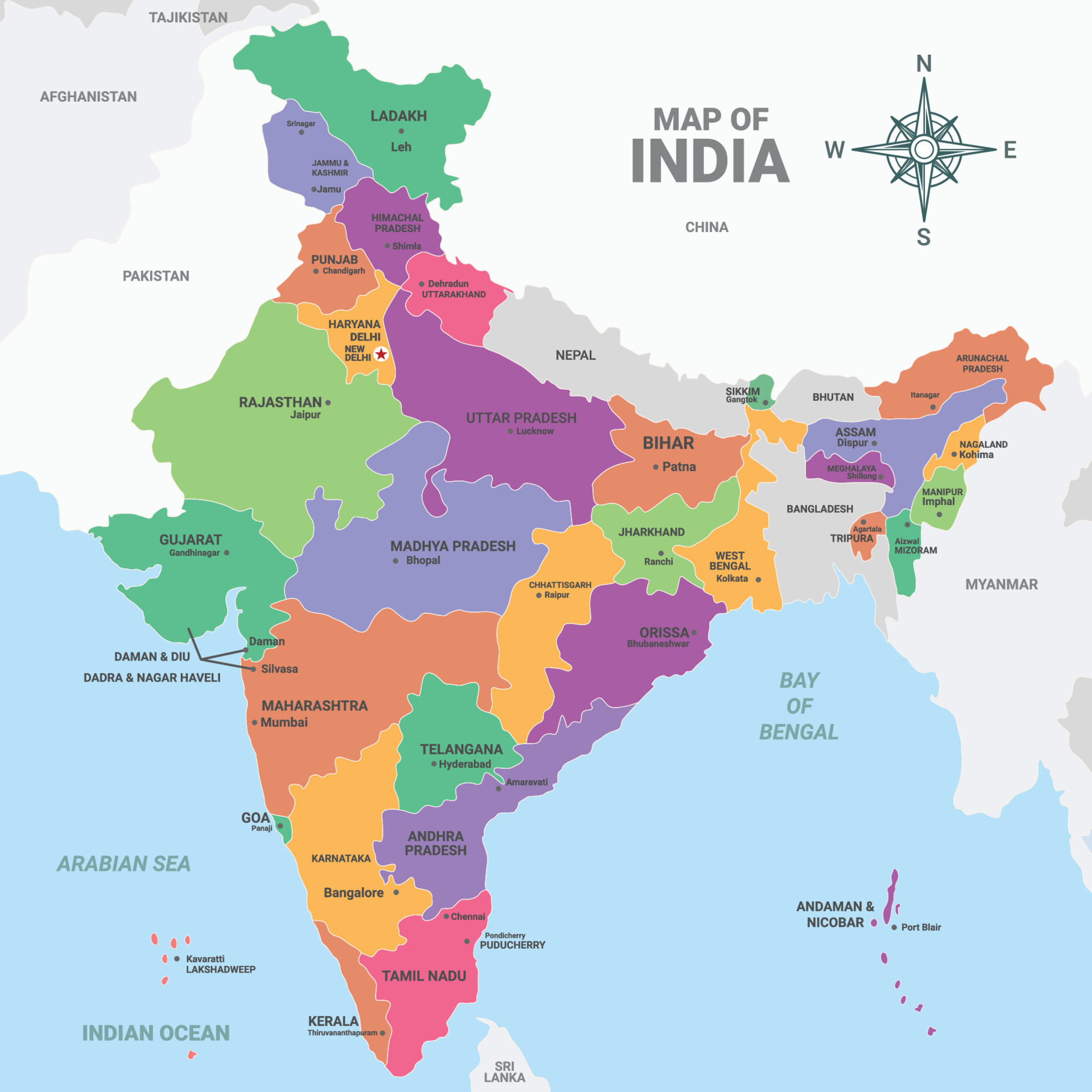
This tactic mirrors the extortion plays heavily used by regional gangs operating out of Punjab, Haryana, and Rajasthan. They use localized violence, record it, and blast it across digital channels to terrify dozens of other potential extortion targets simultaneously. By pulling this off in Europe, they prove their reach is global.
Why This Changes Everything for the Indian Diaspora in Europe
For decades, moving to countries like Portugal, Spain, or Italy offered Indian entrepreneurs an escape from the systemic security challenges back home. Portugal, with its accessible immigration pathways and peaceful reputation, became a hotspot for South Asian business owners.
This shooting shatters that illusion. If criminal networks can coordinate hits in Odivelas using local assets or imported shooters, no diaspora hub is truly safe. Gangs are using the borderless nature of modern communications to track successful overseas businessmen, extract contact info, and send threatening messages via encrypted apps. If the target refuses to pay, local enforcers get hired to pull the trigger.
Portuguese law enforcement agencies urge extreme caution. They haven't officially authenticated the viral videos or verified the social media claims. They're working to trace the digital origin of the threats to see if the strings are truly being pulled by gangs operating thousands of miles away.
Security Realities for Overseas Business Owners
If you operate a business abroad, you can't assume geographical distance protects you from regional rivalries or extortion syndicates. You need a proactive security strategy.
- Audit your digital footprint: Remove personal phone numbers, home addresses, and explicit wealth indicators from public social media profiles.
- Take digital threats seriously: If you receive strange extortion messages on WhatsApp or Signal from unknown international numbers, do not delete them. Document everything and head straight to local authorities.
- Upgrade physical surveillance: Ensure your business premises and private residences have high-resolution cameras that record directly to cloud servers. Local police rely heavily on this data to track getaway vehicles.
- Establish direct embassy lines: Keep the contact details of the nearest Indian embassy or consulate on speed dial. International pressure helps speed up cross-border criminal investigations.
The probe into Kishore Gujarati's shooting is active and ongoing. The outcome will tell us whether European law enforcement can cut these networks off at the root, or if the diaspora must brace for a new wave of transnational extortion.