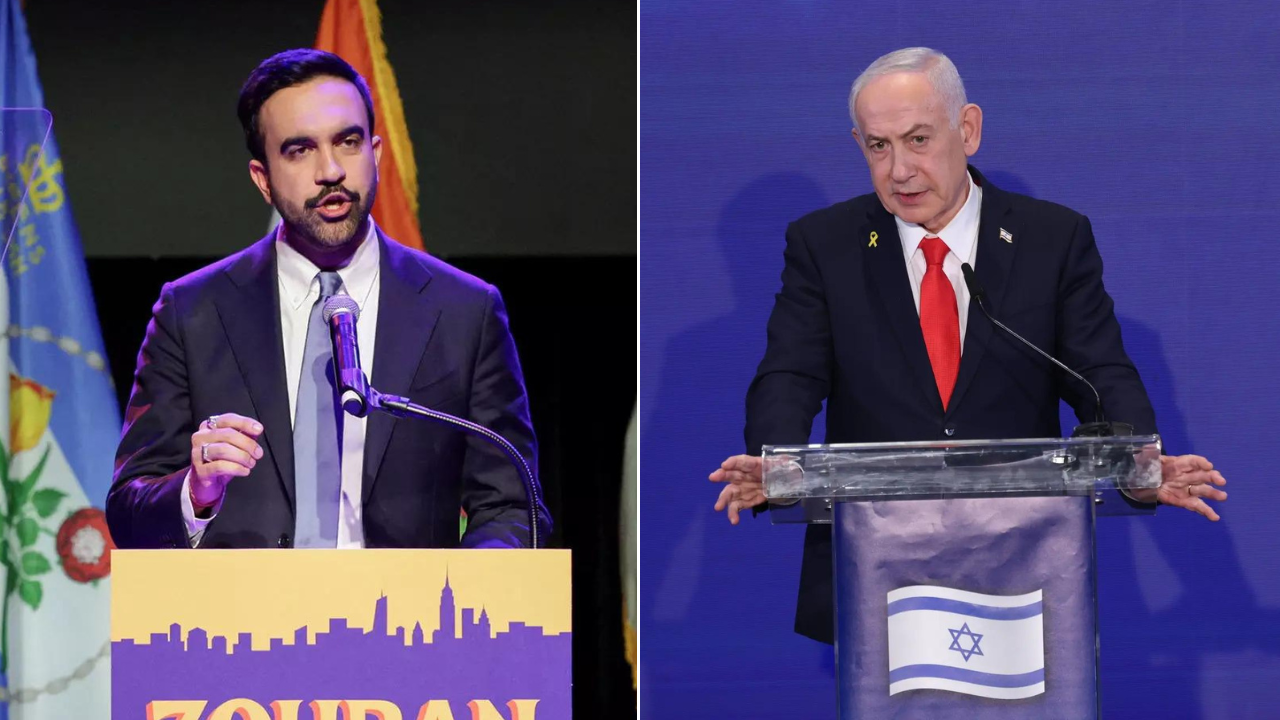
New York City Mayor Zohran Mamdani wants Benjamin Netanyahu in handcuffs. He explicitly stated that the Israeli Prime Minister belongs in the Hague. But saying you want to arrest a foreign head of state on American soil is vastly different from actually pulling it off.
With Netanyahu expected to arrive in Manhattan this September for the United Nations General Assembly, Mamdani is facing a massive reality check. He told reporters he is in active talks with the city's legal team to figure out exactly what his options are. Read more on a connected issue: this related article.
The problem is quite simple. The local police department cannot just bypass United States federal law to enforce international warrants.
The Legal Wall Blocking the NYPD
Mamdani built a portion of his mayoral campaign on the promise that he would deploy local law enforcement to execute International Criminal Court warrants. He named Netanyahu and Russian President Vladimir Putin as specific targets. It makes for a great political headline. In practice, it violates fundamental principles of American law. Additional analysis by Reuters delves into related perspectives on the subject.
The United States is not a member of the ICC. Not only does the court lack local jurisdiction, but federal statutory frameworks actively prevent local entities from assisting it. Under long-standing federal statutes, local officials are explicitly barred from cooperating with or facilitating the actions of the ICC.
Furthermore, foreign heads of state travel with diplomatic immunity. Federal protection mandates ensure visiting leaders are shielded from domestic arrest and prosecution. If the NYPD attempted to intercept Netanyahu's motorcade, officers would be violating federal protection laws designed to keep foreign officials safe from local interference.
Rhetoric Meets Reality at City Hall
Even within the state of New York, the mayor lacks the executive authority to execute a geopolitical arrest. Governor Kathy Hochul made it clear last year that City Hall does not possess the legal power to execute international warrants.
Mamdani seems to be realizing his legal limits. In his recent interview, his language shifted from definitive campaign promises to a far more cautious tone. He noted that while he believes Netanyahu is a war criminal, New York City will not be rewriting its own laws to force an arrest.
"Whatever the law allows me to do in New York City, that's what we will do, but we won't be writing our own laws to that end," Mamdani admitted.
His political opponents are using this legal overreach to attack his domestic performance. Israel's United Nations Ambassador Danny Danon fired back immediately, stating that Netanyahu will address the General Assembly as planned. Danon argued that Mamdani should focus on governing New York City and addressing local security concerns rather than chasing international headlines.
What Happens in September
Netanyahu has made it clear that threats from the New York mayor will not deter his travel plans. He previously dismissed the rhetoric, accusing Mamdani of carrying water for extremist groups and failing to understand the security realities of the Middle East.
When September arrives, expect massive protests outside the UN headquarters, heavy security details, and plenty of fiery speeches. What you should not expect is the NYPD executing an arrest warrant.
If you are tracking this political standoff, keep an eye on the official statements from the New York City Law Department over the next few weeks. Their legal analysis will likely provide the final, quiet end to a highly publicized campaign promise that was never legally viable to begin with.