Imagine having to cancel your child's 18th birthday party because the sky looks grey. Not because you are worried about a ruined barbecue, but because you are terrified that within an hour, raw sewage and muddy river water will be floating through your basement.
This is not a hypothetical scenario. It is the reality for Melissa St. Germain, a resident of Fleming Street in the Montreal borough of Pierrefonds-Roxboro. St. Germain bought her childhood home from her parents, a house she has loved since the 1970s. Over the last few decades, she has watched her property flood nearly a dozen times.
The trauma is real. The financial devastation is worse.
For the people living on Montreal's West Island, especially in Pierrefonds, flooding has stopped being an occasional act of God. It is now a predictable, repeating disaster.
The Day the Streets Became Rivers
On June 20, 2026, a series of near-stationary thunderstorms sat directly over Montreal’s West Island. In a matter of hours, the skies dumped between 150 and 170 millimetres of rain on communities like Pierrefonds-Roxboro and Dollard-des-Ormeaux.
The volume of water was staggering.
Sewer systems failed instantly. Streets transformed into fast-flowing rivers. Firefighters responded to over 800 emergency calls, rescuing more than a dozen people trapped inside vehicles that were quickly submerging. More than 300 homes in the area reported flooded basements.
This came less than two years after the remnants of Tropical Storm Debby shattered local records in 2024, leaving homeowners still clutching unpaid insurance claims and half-finished basement renovations.
The physical clean-up is bad enough. The emotional toll of watching the clouds, wondering if this is the storm that takes the rest of your savings, is exhausting. St. Germain says she simply cannot keep losing everything. You cannot blame her.
The Paper Trail the City Tried to Ignore
Just down the street from St. Germain, another resident has taken a different approach to the crisis. Miruna Mazilu has spent years acting as a self-taught forensic investigator. She has dug through municipal files, public registries, and historical engineering reports to understand why her neighborhood is drowning.
What she found points to a systemic failure.
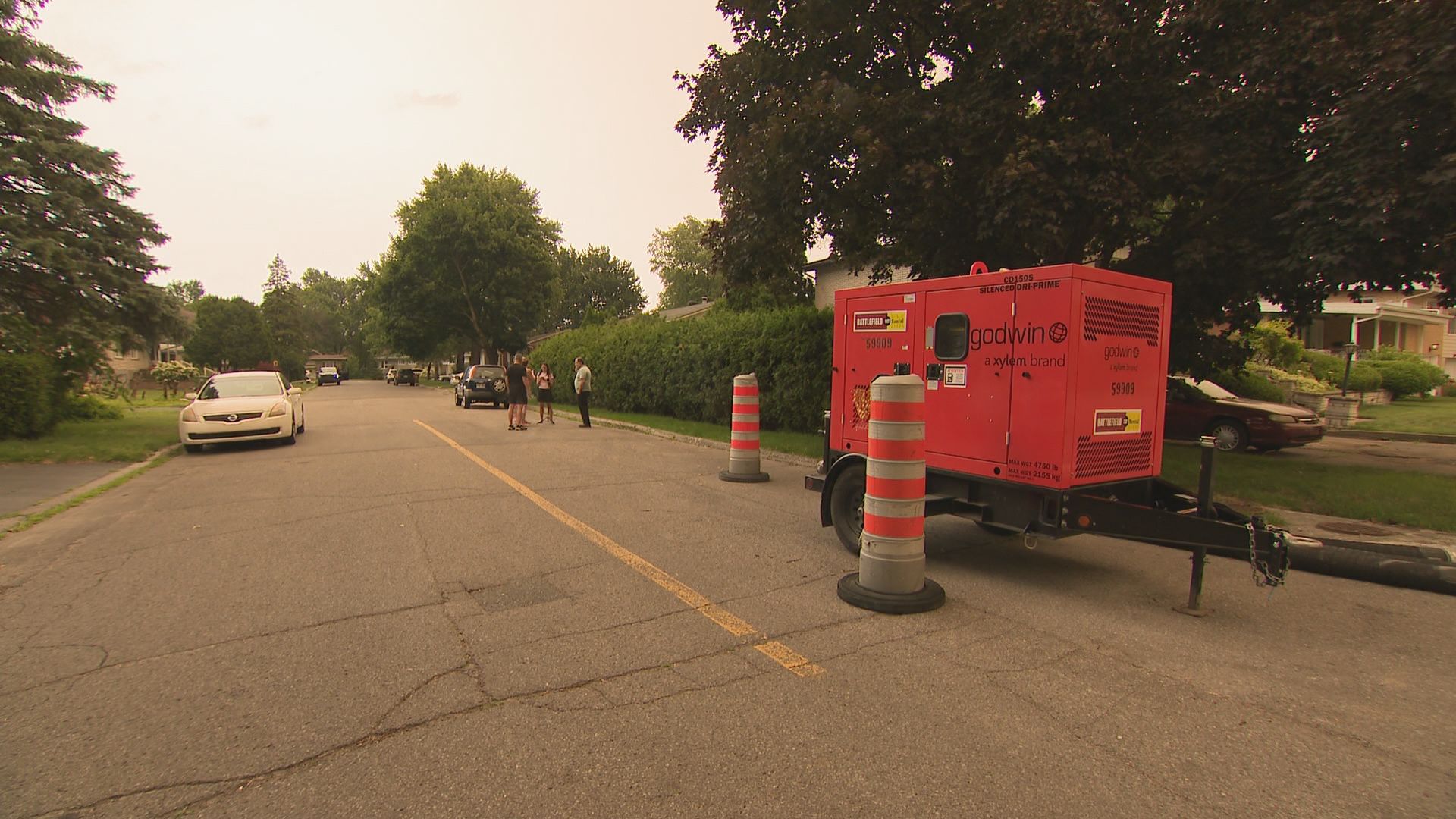
According to residents, the city has long known about the specific infrastructure bottlenecks that cause Fleming Street to flood. The municipality even placed a temporary pump right outside Mazilu’s home. It seems like an easy fix, right?
It would be, if the pump actually worked when needed.
Mazilu recounts frustrating instances where the pump was installed incorrectly by municipal crews or left completely unmonitored during major storms. Having a massive, multi-thousand-dollar piece of flood prevention machinery sitting right in front of your driveway while water pours into your basement anyway is a special kind of bureaucratic torture.
The city claims they are trying to manage the situation. They point to climate change, extreme weather events, and the sheer volume of water that no historic sewer system was built to handle. But residents argue that standard maintenance, proper pump operation, and basic municipal competence should not be too much to ask.
The Fight Goes to Court
Since pleading with the borough and calling 311 has yielded little progress, residents are turning to the justice system.
A major proposed class-action lawsuit has been filed in Quebec Superior Court by the Consumer Law Group. The lawsuit targets the City of Montreal, the borough of Pierrefonds-Roxboro, and the neighboring City of Dollard-des-Ormeaux.
The core of the legal argument is simple: the municipalities knew about the severe flooding risks and failed to act.
Jeff Orenstein, the lead attorney on the class action, argues that the cities failed to install adequate modern systems, such as "sponge parks" and advanced retention basins, designed to absorb and slowly release rainwater.
Over 600 residents have already signed on to the action. For citizens like Myriam Guadelli, whose basement was wrecked in the June 20 storm, the lawsuit is about survival. She spent weeks in limbo waiting for insurance adjusters to reply, all while living in a mold-prone home.
"If we can stop this from happening again, that's a win," Guadelli said. "But that change is not going to happen unless we force it."
How to Protect Your Home When the City Fails You
You cannot control when the city updates its storm sewers. You cannot make the borough monitor its pumps. If you live in Pierrefonds, or any flood-prone Canadian suburb, you have to become your own line of defense.
Relying entirely on insurance or local government is a recipe for a ruined home. Here is how seasoned West Island homeowners are adapting their properties to survive the next deluge.
Rethink Your Basement Materials
If your basement has flooded twice in three years, stop putting drywall and floating laminate wood floors back in. They are water magnets that turn to toxic mush.
- Epoxy Flooring: Clean, durable, and completely waterproof. If it floods, you squeegee it out, sanitize it, and go about your day.
- Removable Wall Panels: Instead of running drywall all the way to the concrete floor, cut out the bottom two feet. Replace it with easily removable plastic or composite panels. If a flood happens, pop the panels off, let the studs dry out, and pop them back in. No mold, no demolition required.
- Metal Furniture: Swap out heavy wooden tables and fabric couches for elevated metal shelving, plastic storage bins, and lightweight, water-resistant furniture.
Upgrade Your Pump Strategy
A single sump pump plugged into the wall is not enough. When the skies open up, the power often goes out.
- Get a Backup Pump: Install a secondary pump slightly higher in the pit than your primary pump.
- Battery Backup: Ensure your secondary pump runs on a high-capacity deep-cycle marine battery. This will keep the pump running for hours even if the power grid dies.
- Dual-Fuel Generator: Buy a portable generator and keep it maintained. If a storm knocks out the local substation, you need a way to run those pumps and keep your fridge cold.
Install a Backflow Prevention Valve
This is the single most important mechanical defense for sewer backup. A backflow valve allows waste water to leave your home but blocks municipal sewer water from backing up into your basement drains. Have a licensed plumber install one and make sure you clean it annually. If it gets clogged with debris, it will fail when you need it most.
Your Immediate Flood Action Plan
If you live in a high-risk flood zone, do these things today.
- File Your Notice of Claim: If you were affected by the recent storms, file a formal notice of claim with your municipality immediately. Quebec law generally requires this to be done within 15 days of the event to preserve your right to sue for damages. Even if you are joining a class action, protect your individual claim first.
- Document Everything: Keep a digital folder of every photo, video, and receipt related to water damage on your property.
- Inspect Your Valves: Check your sump pump, test the float switch by pouring a bucket of water into the pit, and open up your backflow valve to ensure no debris is blocking the flap.
- Move Valuables Up: Get everything of sentimental or high financial value out of the basement permanently. Photos, tax documents, and vintage electronics belong on the second floor.
Waiting for municipal infrastructure to catch up to modern rainfall patterns will take years, if not decades. Stop waiting for the city to save you. Take control of your property's defenses now.