Civilian control of the military is a cornerstone of American democracy, but what happens when that control turns into a sweeping political purge? Defense Secretary Pete Hegseth is finding out the hard way that treating the Pentagon like a corporate restructuring project doesn't sit well with the lawmakers who hold the purse strings—even those in his own party.
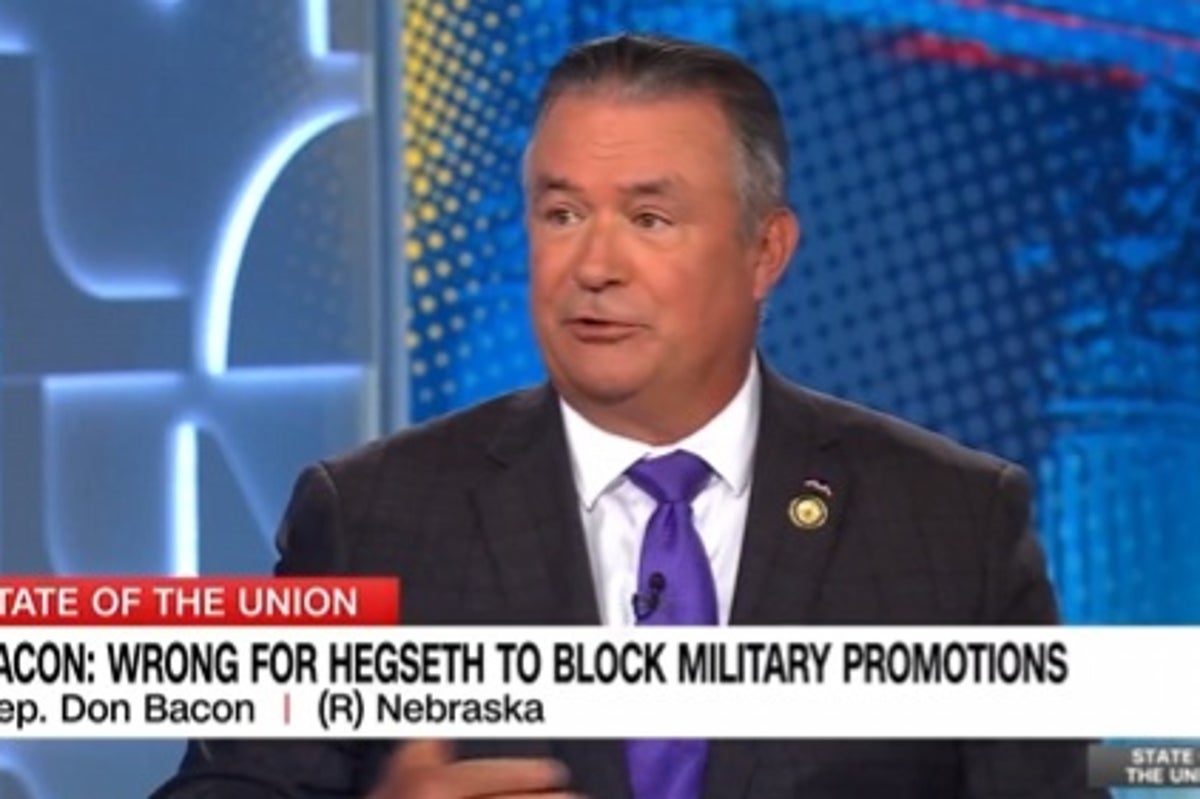
The latest friction point surfaced on Capitol Hill, where Representative Don Bacon, a Nebraska Republican and a key member of the House Armed Services Committee, voiced deep anxiety over the way top-tier military leaders are being systematically pushed out. Bacon didn't mince words, calling the ongoing wave of sudden dismissals of generals and admirals without transparency "unacceptable."
This isn't just a spat about standard bureaucratic reshuffling. It is a fundamental disagreement over institutional trust, meritocracy, and troop morale at a time when the U.S. military is navigating active operational strains.
The Quiet Purge of the Top Brass
For months, the Pentagon under Hegseth has executed a series of high-profile, unexplained personnel shifts. The administration forced out Joint Chiefs Chair Gen. CQ Brown and Army Chief of Staff Gen. Randy George. More recently, reports emerged that Gen. Christopher "C.D." Donahue, one of the Army's most celebrated combat commanders and a former leader of the elite Delta Force, was facing an early retirement.
While Pentagon officials frequently claim these departures are personal retirement decisions, lawmakers see a clear pattern of pushing out independent, highly capable officers.
"What we don't like is that there's no explanation," Bacon noted. "We have probably about 20 generals and admirals been fired for no reason. I know many of them, and they're very good, so that is concerning. It's not decent when you fire people with no explanation."
Bacon, a retired Air Force brigadier general who understands the internal mechanics of military promotion and morale, emphasizes that this lack of transparency directly damages the force. When lifelong service members see the "best of the best" dismissed without cause, it erodes trust in the fairness of the entire system.
Messing with the Promotion Pipeline
The friction isn't limited to firing sitting four-star generals. Hegseth has aggressively intervened in lower-level promotion slates, breaking sharply with standard historical norms.
Typically, independent military selection boards rigorously vet candidates based entirely on service records, operational performance, and leadership capability. The Secretary of Defense traditionally signs off on these peer-reviewed recommendations before forwarding them to the White House and the Senate for confirmation.
Hegseth has upended that process. He recently pulled four qualified colonels from a routine promotion list to brigadier general. According to internal reports, the officers removed included two women and two Black men, sparking fierce pushback from senior military leaders who defended the integrity of the selection boards.
During a tense House Armed Services Committee hearing, Representative Marilyn Strickland pressed Hegseth on the specific legal grounds for withholding these promotions under Department of Defense instructions. Hegseth deflected, claiming past promotions under previous leadership relied on "social engineering" rather than raw qualifications. He insisted his interventions are strictly focused on correcting the system and prioritizing battlefield performance.
But critics point out that bypassing the established board process undermines the core principle of a merit-based pipeline. It sends a chilling signal down the ranks: moving up the ladder may now depend more on ideological alignment and political fealty than on decades of exemplary service.
Paranoia vs Professionalism
The backlash against Hegseth's personnel management is crossing over into the Senate, where Republican lawmakers are expressing identical frustrations. Senator Thom Tillis of North Carolina went a step further, attribute the erratic management style to a lack of deep executive experience. Tillis suggested that Hegseth—a former Fox News host and National Guard officer—is systematically removing commanders who possess far more tactical and operational expertise than he does.
"It's just another example of Hegseth's paranoia, where having people more capable than him around him is a problem," Tillis remarked, defending the record of commanders like Donahue. He argued that successful organizations thrive by surrounding leadership with the most capable professionals available, rather than clearing them out.
Hegseth has defended his sweeping personnel changes by arguing that the military's senior ranks have become bloated, overly bureaucratic, and disconnected from the realities of modern warfare. His stated goal is to reduce the overall number of general and flag officer billets, shifting authority and resources back toward front-line lethality.
However, defense hawks in Congress argue that trimming bureaucracy shouldn't mean blindsiding the institution with unexplained fires. When the Pentagon refuses to brief Congress on major personnel changes, it compromises the oversight role of the Armed Services committees.
Why This Matters for the Defense Budget
The timing of this internal personnel crisis couldn't be worse for the Pentagon. Hegseth is currently on Capitol Hill trying to sell a massive defense spending pitch to a deeply divided House Republican caucus.
The administration wants Congress to pass an $87.6 billion emergency supplemental spending bill to fund active operational costs, replenish munitions stockpiles, and cover ongoing operations. On top of that, they are pushing for a broader $1.5 trillion defense footprint for fiscal year 2027, which relies heavily on a complex legislative reconciliation package.
Lawmakers like Bacon are generally supportive of boosting the defense budget to modernize the fleet and scale up munitions production. But they aren't giving Hegseth a blank check, and the trust deficit created by the personnel purges is directly clouding the budget negotiations. Front-line Republicans are already hesitant about the fiscal cuts required to fund the defense increase, and Hegseth's perceived volatility gives them even more reason to pause.
If the Pentagon expects Congress to back historic spending bills and trust its strategic vision, civilian leadership must demonstrate a basic respect for the institutional knowledge of the military's senior ranks. Pushing out decorated combat veterans without public explanation doesn't build a more lethal fighting force. It just creates a highly unstable command structure at the worst possible moment.
Actionable Next Steps for Tracking This Issue
To understand how this defense standoff will impact military readiness and upcoming legislative battles, keep your eyes on three specific pressure points over the next few weeks:
- Watch the Senate Confirmation Hearings: As Hegseth’s modified promotion slates hit the Senate, look closely at whether defense hawks use their confirmation power to hold up nominees until the Pentagon provides full transparency on why the previous candidates were removed.
- Monitor the FY2027 Reconciliation Debate: Pay attention to whether House Armed Services Republicans condition their votes on the $350 billion defense reconciliation package on strict adjustments to civilian personnel authorities, effectively capping Hegseth's ability to unilaterally alter promotion boards.
- Look for Official Inspector General Inquiries: Keep tabs on whether members of Congress formally request an independent Department of Defense Inspector General review into the legality of the promotion list removals under current statutory guidelines.
For a closer look at how these internal shifts are affecting broader operations, you can watch this analysis of the current Pentagon leadership friction which breaks down the long-term impact of these unprecedented promotion blocks on troop readiness.