When twin earthquakes measuring 7.2 and 7.5 magnitude tore through northern Venezuela on June 24, 2026, the world watched a familiar script unfold. Headlines flashed breaking news alerts. International rescue teams packed up their gear. Politicians promised immediate aid. Now, the initial panic has faded from the global news cycle, but the actual nightmare is only getting worse.
The official numbers are staggering. Over 3,342 people are confirmed dead. Another 16,700 are injured. But the statistic that should keep you up at night is 50,000. That is how many people are still missing or completely unaccounted for according to United Nations estimates.
If you think those 50,000 people are simply waiting to be found under the rubble, you don't understand the brutal reality on the ground. The critical 72-hour survival window slammed shut days ago. International rescue crews are already packing up their gear and heading home. The phase has shifted entirely from search and rescue to mass mourning and burials. In the secluded La Esperanza cemetery in La Guaira, gravediggers are busy using heavy machinery to carve out long trenches for rows of simple white crosses. Many bodies are going into the earth completely unidentified.
The Myth of a Purely Natural Disaster
It's easy to blame nature when a massive fault line slips. But nature didn't kill thousands of people in towns like Morón or the coastal high-rises of La Guaira. Decades of structural neglect did.
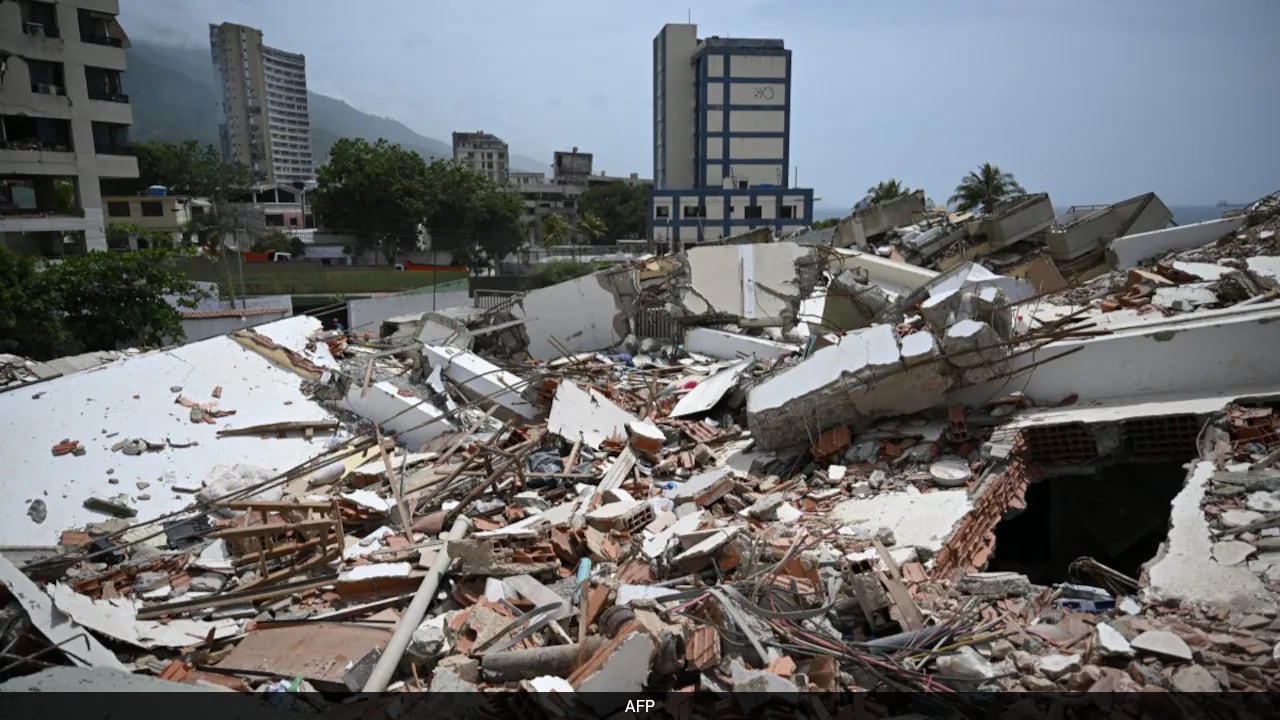
Venezuela was already mired in a severe economic crisis before the ground started shaking. Infrastructure across the country was fragile, brittle, and entirely unequipped for any seismic activity, let alone back-to-back major shocks within a single minute. When the earthquakes hit during a public holiday, entire multi-story apartment complexes didn't just crack. They pancaked.
Over 58,000 buildings are estimated to be damaged or completely destroyed, including nearly 200 that suffered a total collapse. If you look at the structures that fell, they weren't reinforced against earthquakes. They were concrete traps built without proper safety oversight.
Why the Missing Number Is Not Going Down
A common question people ask when looking at these reports is why the number of missing people remains stuck at 50,000 even as the death toll climbs.
Honestly, the logistics are a chaotic mess. The national water system failed completely across seven states, leaving millions without safe drinking water. When survival becomes a daily scramble for clean water and basic food, tracking down missing relatives through official channels takes a back seat.
On top of that, the government militarized the hardest-hit zones like La Guaira, imposing strict permit requirements just to enter the disaster areas. This has strangled the flow of local volunteer groups who were originally digging through the rubble with their bare hands.
Another massive hurdle is aid coordination. While tons of international aid arrived quickly, a lack of local organization meant significant food supply spoiled at distribution centers. The systems simply aren't there to process the sheer volume of help, meaning local hospitals are facing massive surgical backlogs while warehouse floors are packed with undistributed supplies.
What Needs to Happen Next
The time for miracle rescue stories has passed. The current focus must pivot toward preventing a secondary humanitarian disaster among the survivors.
If you want to help or keep track of what actually matters right now, focus on these immediate priorities.
First, secure clean water infrastructure. With the water grid offline, waterborne diseases represent the next major threat to the 17,000 people currently crammed into temporary shelters and parks.
Second, support family tracing networks. Organizations like the International Rescue Committee are prioritizing family reunification and child protection, which is vital given the thousands of children separated from their families during the initial chaos.
Third, bypass bloated bureaucratic channels by donating directly to verified on-the-ground medical teams and local non-profits rather than large centralized government funds. Direct aid ensures supplies actually reach the crowded medical units in Caracas and Caraballeda instead of rotting in a blocked warehouse.
The tragedy in Venezuela isn't over just because the cameras are leaving. The real work of rebuilding tens of thousands of shattered lives is only beginning.