Dharmesh Patel walked out of a San Mateo County courtroom on Monday as a free man. He turned to the gallery, embraced his wife, and left the building. To anyone watching from the outside, it felt completely surreal. This is the same man who, three years ago, intentionally drove his Tesla off a notorious 250-foot cliff at Devil's Slide along the Pacific Coast Highway with his entire family inside.
The public is understandably furious. How does someone escape trial after an act that looked like a clear-cut attempt at murder? The answer isn't a legal technicality or a wealthy doctor buying his way out of prison. It's the result of a controversial California law that prioritizes psychiatric treatment over standard incarceration. The news that the US court dismisses charges against Indian-origin doctor in Tesla cliff crash case has reignited a fierce national debate about mental illness, public safety, and accountability in the justice system.
Understanding this case requires looking past the shocking headlines. It requires analyzing what actually happened on that cliff, what the doctors found in the psychiatric wards, and why the local district attorney is vows to change the law.
The Reality Behind the US Court Dismisses Charges Against Indian-Origin Doctor in Tesla Cliff Crash Case
The legal mechanism that cleared Patel's record is California's mental health diversion program. Under this law, if a defendant commits a crime that was substantially driven by a qualifying mental illness, they can be ordered into treatment instead of standing trial.
San Mateo County District Attorney Steve Wagstaffe made it clear that his office had no choice in the matter. The law required the judge to dismiss the three counts of attempted murder once Patel successfully finished his two-year court-approved treatment plan.
Patel spent over a year in jail without bail before a judge ruled him eligible for the diversion program in 2024. From there, he spent two years under intense supervision. He lived with his parents in Belmont under strict conditions, which included wearing a GPS tracking device, surrendering his passport, and giving up his driver's license. He had to check in with the court every single week. He worked extensively with a Stanford University psychiatrist and a family therapist. Because he met every requirement of his medical plan, his criminal record has been wiped completely clean. Legally, the system treats it as if the crash never occurred.
The Miraculous Survival and the Dark Delusions
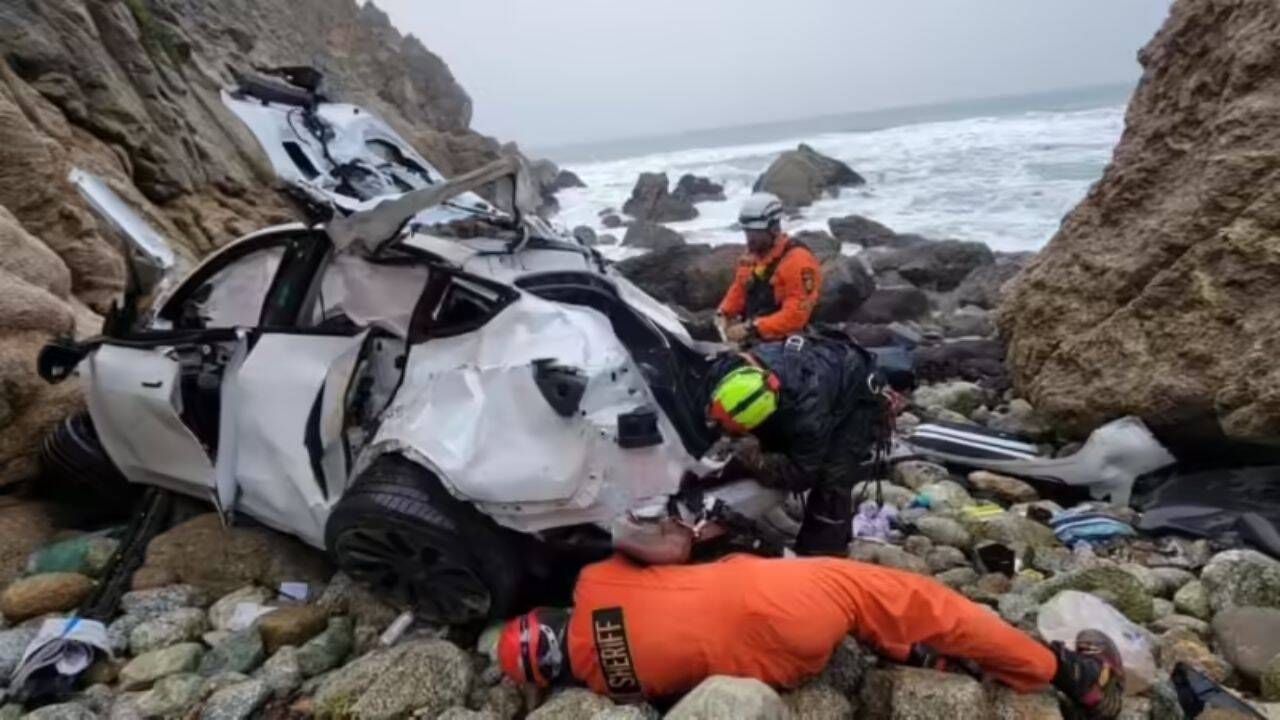
To understand how Patel ended up here, you have to go back to January 2, 2023. The Pasadena radiologist was on a road trip with his family in the Bay Area. Without warning, his Tesla plunged over the edge of Devil's Slide, a terrifying stretch of Highway 1 north of Half Moon Bay. The vehicle tumbled down a rocky beach, crashing into a crumpled heap of metal.
First responders who rushed to the scene called their survival an absolute miracle. The top of the Tesla was completely sheared off. Somehow, Patel, his wife Neha, and their two children—aged four and seven at the time—all survived with non-life-threatening injuries. Rescuers used ropes to pull the children up the cliff face and utilized helicopters to hoist the parents out of the wreckage.
The narrative shifted instantly from a tragic traffic accident to a horrific criminal investigation. Right after the crash, Neha Patel told paramedics that her husband had intentionally driven off the cliff to kill them. Investigators quickly confirmed that the Tesla's automated driving features played no role in the drop. Patel had steered the car over the edge on purpose.
Later psychiatric evaluations exposed a terrifying reality. Two psychiatrists testified that Patel was in the middle of a massive psychotic breakdown during the drive. He suffered from severe major depressive disorder coupled with vivid hallucinations. Patel truly believed his children were at risk of being kidnapped and trafficked by international cartels. In his delusional mind, plunging off the cliff was a desperate, twisted attempt to protect his family from a fate he deemed far worse.
Why the District Attorney Is Fighting the System
The dismissal of these charges has caused massive friction within California’s legal system. District Attorney Steve Wagstaffe fought the defense's diversion request from day one. He argued that a crime as severe as trying to kill an entire family should instantly disqualify a person from skipping jail time.
Wagstaffe publicly stated that Patel received the break of a lifetime. The prosecution's core argument is simple: public safety should outrank medical diversion when a case involves premeditated violence against children. If any member of the family had died during that 250-foot fall, Patel would have faced first-degree murder charges and a life sentence. Because they survived, the law allowed him to take the treatment route.
This case has turned into a major political flashpoint. Wagstaffe and several other California prosecutors are actively lobbying state lawmakers to rewrite the mental health diversion statute. They want to explicitly ban attempted murder from being eligible for treatment programs. The district attorney has made it clear that he isn't dropping the issue, promising to keep pushing for legislative updates to ensure this kind of outcome doesn't happen again.
The Unusual Stance of the Victims
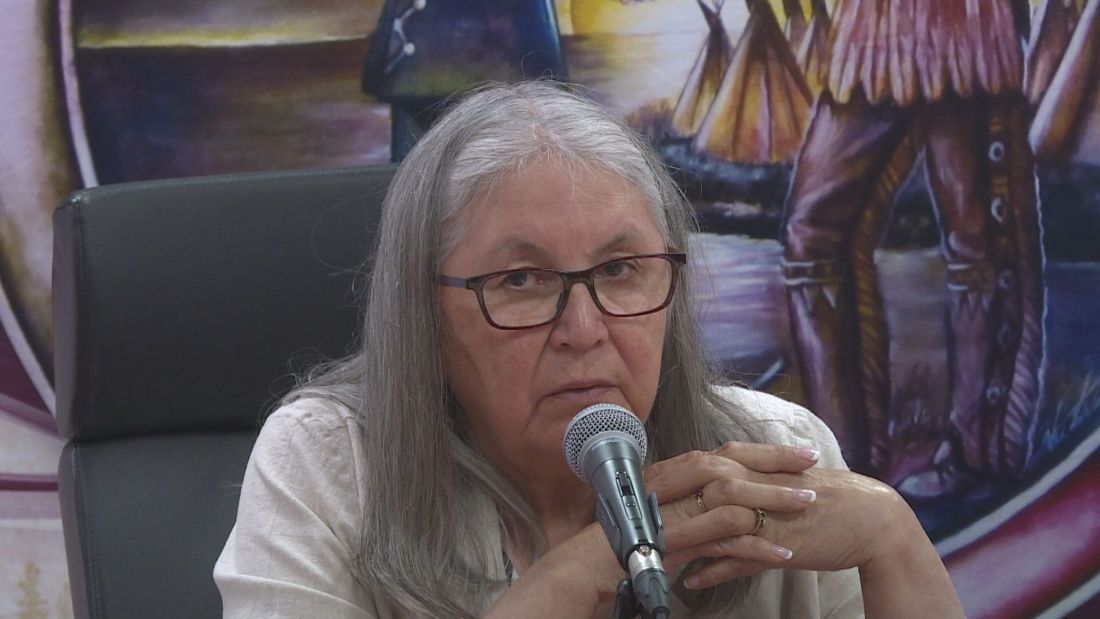
One of the most complex elements of this entire case is the behavior of Patel's family. Usually, in attempted murder cases, victims push for the maximum possible punishment. Neha Patel did the exact opposite.
During the court proceedings, she begged the judge to grant her husband medical diversion instead of sending him to prison. She described him as her best friend for more than 25 years and called him a kind, altruistic father. She stated directly that the family was not whole without him and that their children missed him terribly.
As Patel progressed through his medical treatment, the court slowly allowed him to reunite with his family, who had relocated to the San Francisco Bay Area to be near him. He was even permitted to take them out on supervised drives. Her complete forgiveness played a heavy role in the judge's original decision to grant the diversion back in 2024.
Moving Forward and What Happens Next
While Patel's criminal record is clear, his life as a prominent medical professional is permanently over. The Medical Board of California immediately barred him from practicing medicine after his arrest. Patel officially surrendered his California medical license, meaning he can never practice as a radiologist again.
If you are looking at this case and trying to understand how to process it, here are the core facts to take away:
- California law mandates the total erasure of charges if a diversion program is completed successfully.
- Multiple independent medical experts confirmed Patel was suffering from severe psychosis, not malice, during the incident.
- The victims actively supported his treatment and welcomed him back into the home.
- The local district attorney is using this outcome to try and change state laws surrounding violent crimes.
The legal chapter of the Devil's Slide plunge is officially closed, leaving behind a family trying to quietly rebuild their lives from the wreckage of a mental health disaster.