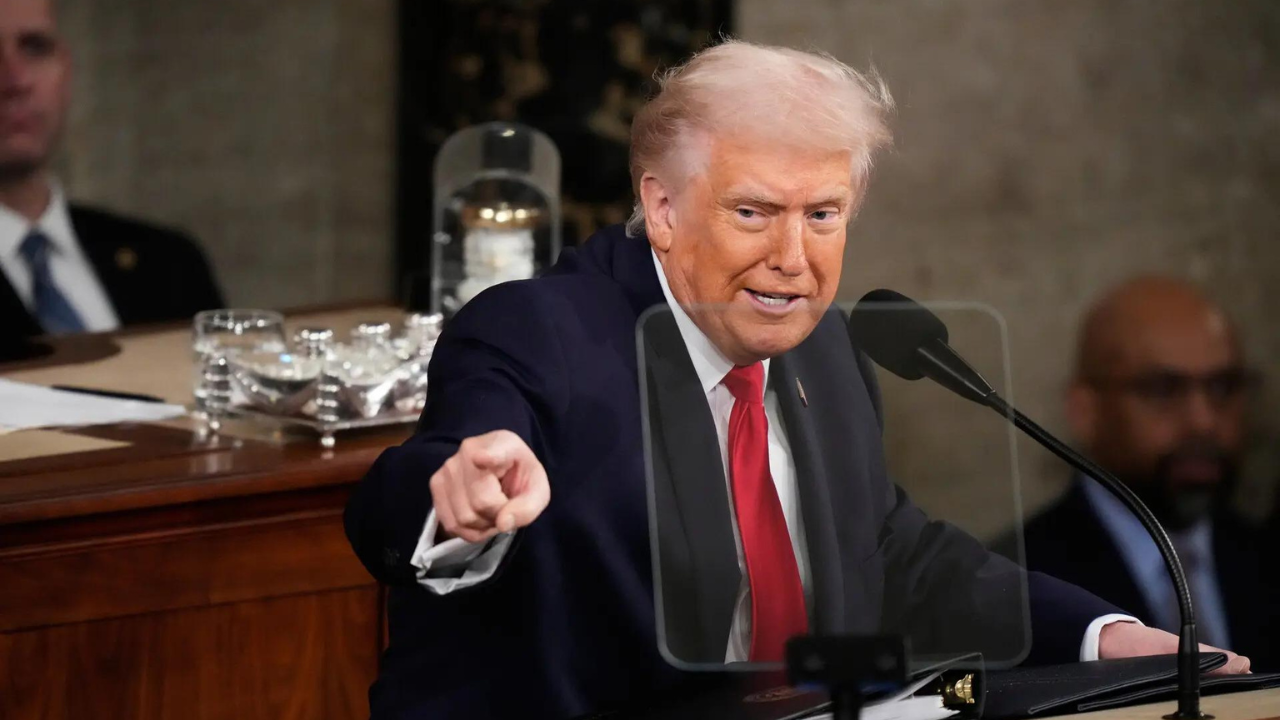
Donald Trump loves the theater of absolute leverage. When reports surfaced that Trump briefed on all-out Iran war options, but chooses talks, the predictable chorus of hawks and doves immediately misread the room. The hawks wanted a final curtain call for the regime in Tehran. The doves breathed a sigh of relief, thinking diplomacy won the day. Both sides missed the point.
The reality isn't about sudden pacifism or a fear of escalation. It's about a cold, transactional calculus that has defined this administration's approach since Operation Epic Fury lit up the Middle East sky back on February 28. Trump isn't holding back out of kindness. He's holding back because he thinks he's already broken Iran's back, and bombing the rubble won't get him the deal he wants.
The Reality Behind the Pentagon War Plans
We need to look at what actually happened behind closed doors at the Pentagon. Defense Secretary Pete Hegseth and General Dan Caine, the Chairman of the Joint Chiefs of Staff, laid out explicit plans to finish the job. They didn't just present a standard slideshow. They gave the president a mapped-out menu of what it would take to completely dismantle the remaining elements of the Iranian state machine.
They looked at hitting what's left of the missile factories, targeting hidden command bunkers, and completely shutting down Kharg Island. Trump listened. He always listens when his generals talk about massive military power. Yet he walked away from the trigger.
You have to understand the sheer scale of what already happened this year to see why he paused. During the initial wave of Operation Epic Fury, American forces struck over 13,000 targets across Iran. They didn't just degrade capabilities. They destroyed the conventional arsenal of drones and ballistic missiles that Tehran spent three decades building. They even killed Ayatollah Ali Khamenei. The regime you see today is a ghost of its former self, operating under a shaky interim memorandum of understanding signed on June 18.
Resuming a massive bombing campaign right now brings diminishing returns. If the U.S. military spends another three weeks dropping precision munitions, what is left to destroy? Trump himself leaked his internal logic to reporters. He noted that while bombing is easy, it guarantees the Strait of Hormuz stays closed for months. That means global oil prices skyrocket, supply chains snap, and the domestic economy takes a massive hit. He doesn't want that chaos on his watch.
Why Trump Briefed on All-Out Iran War Options But Chooses Talks Now
The decision to stick with diplomatic channels through the August 18 deadline isn't a retreat. It's an aggressive use of leverage. Trump told his inner circle that he's perfectly fine letting negotiations blow past that 60-day window. He wants Tehran to feel the suffocating weight of economic isolation while U.S. warships stand guard in the Gulf.
The administration's current posture balances on a simple rule. If Iran behaves, the talks continue. If Iran steps out of line, the U.S. strikes back immediately but limitedly. We saw this exact playbook in action over the weekend when crossfire erupted in the Persian Gulf. Iran tested the waters, the U.S. delivered targeted retaliatory strikes, and then both sides stood down. It's a brutal game of micro-escalation.
The strategy also relies heavily on a parallel pressure track involving Israel. Prime Minister Benjamin Netanyahu openly warned that his forces would enter Iran a third time if necessary to ensure Tehran never acquires nuclear weapons. This double-cop routine lets Washington play the role of the reasonable negotiator holding back an furious ally. Trump can look at the Iranian envoys and say that they better make a deal with his team, or he'll step aside and let Israel finish the task.
The Real Sticking Points Holding Up Peace in Doha
If you want to know why a permanent peace deal remains elusive, stop looking at grand ideological battles. Look at the ledger. Right now, Steve Witkoff and Jared Kushner are working through indirect channels in Qatar to fill in the blanks of the vague memorandum of understanding. The technical negotiations aren't stalled over abstract philosophy. They are stalled over cold hard cash and maritime transit rights.
The biggest fight centers on the Strait of Hormuz. One-fifth of the world's energy supply relies on this narrow corridor. Iran insists on its right to co-manage the waterway with Oman and wants to charge billions of dollars in service fees for ships transiting the strait. The U.S. position is non-negotiable. The waterway must remain completely free to transit, exactly as it was before the war erupted on February 28.
Then comes the battle over the $12 billion in frozen assets held in Qatar. Iranian President Masoud Pezeshkian recently claimed that $6 billion of that money was about to be released as a major victory for his people. The White House immediately threw cold water on that narrative. Vice President JD Vance has been adamant that any funds released will remain under strict U.S. control. The administration wants that money earmarked solely for purchasing American agricultural products, meaning the funds flow straight back into the pockets of American farmers. Tehran rejects this condition entirely, claiming they have the sole right to choose how to spend their capital.
- The U.S. Demand: Total free transit in the Strait of Hormuz and strict oversight on all frozen asset distribution.
- The Iranian Demand: Maritime toll collection authority and immediate, unconditional access to $12 billion in Qatari accounts.
- The Mediator Position: Qatar and Pakistan are pushing for a middle-ground compromise on agricultural vouchers, but neither side is budging.
The Hidden Risks of Letting Diplomacy Drag On
This waiting game isn't without significant danger. By extending the runway for negotiations past August, Trump risks giving Iran the space to play for time. Critics in Congress are already furious. Lawmakers from both parties recently passed a resolution aiming to block the administration from resuming unilateral war actions without congressional approval. The White House claims the resolution lacks the force of law, but the political friction is real.
There is also the nuclear question. The weekend strikes and the current maritime disputes have completely overshadowed the core reason this war started. None of the technical working groups in Doha are actively focusing on the dismantlement of Iran's nuclear enrichment facilities. They are kicking the nuclear can down the road to handle immediate ceasefire violations. This creates a dangerous window where rogue elements within Iran's fragmented military command could make a desperate push toward enrichment while the diplomats argue over shipping fees.
Your Strategic Steps to Track the Gulf Crisis
Don't get distracted by the daily headlines shouting about imminent world war or sudden breakthroughs. Watch the underlying mechanics of the conflict instead. Follow these concrete indicators to see where this crisis actually heads next.
First, monitor the commercial shipping volume moving through the Strait of Hormuz. If major international logistics firms continue to send tankers through without waiting for U.S. Navy escorts, it means the private sector believes the ceasefire will hold. If insurance premiums for Gulf shipping spike again, expect military options to return to the top of Trump's desk.
Second, watch the rhetoric out of Muscat and Doha. Oman's joint committee meetings with Iranian officials regarding the management of the strait will signal whether Tehran plans to enforce its threatened mid-August toll system. If Iran attempts to forcibly halt a commercial vessel to collect a fee, the technical talks in Qatar will collapse instantly, and the Pentagon's all-out war options will turn into live operational orders. Stay locked into the specific movements of maritime freight and asset releases rather than the political theater in Washington.
U.S., Iran talks planned as tensions ease
This broadcast highlights the fragile nature of the current diplomatic track in Qatar and details how recent military strikes have complicated the negotiation process.



.jpg)