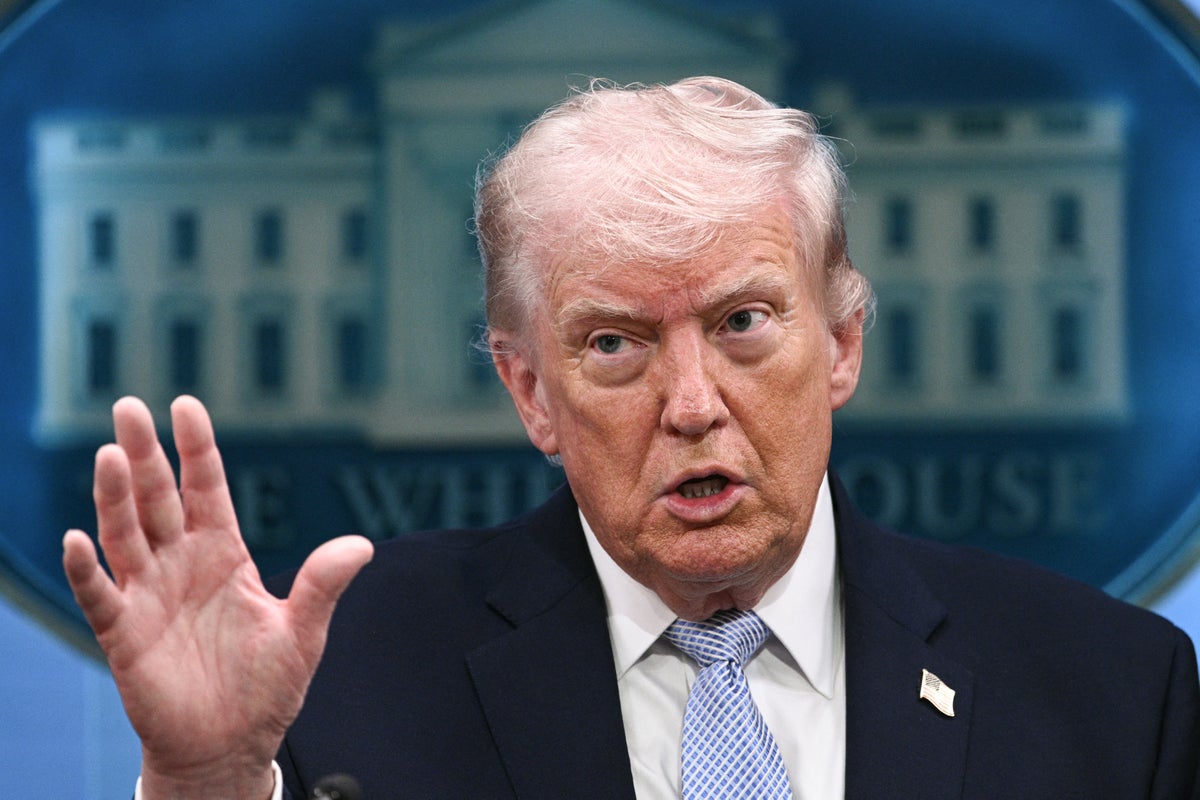
For years, the political consensus seemed set in stone. Donald Trump was viewed as the ultimate defender of Israel, an American leader whose face regularly appeared on giant billboards overlooking the Ayalon Highway in Tel Aviv. Right-wing politicians in Israel proudly tied their entire political brands to his name.
That era is over.
Recent data reveals a massive, unprecedented collapse in how the Israeli public views the former president. The numbers don't lie. A massive shift has occurred across the country, driven by a highly controversial United States-Iran agreement that many Israelis feel leaves them completely exposed. If you think the alliance between Trump and the Israeli public is unbreakable, you're looking at an outdated picture. The reality on the ground in June 2026 tells a completely different story.
The Broken Trust in American Guarantees
A fresh television poll broadcast by Israel's Channel 12 news dropped a bombshell on the domestic political arena. According to the data, a staggering 71% of Israelis explicitly state they do not trust Trump to look out for their country's interests as he negotiates a new deal with the Islamic Republic of Iran. Just 13% of respondents expressed confidence in his intentions. The remaining 16% said they didn't know.
Think about that for a second. More than two-thirds of the population in one of America's closest global allies has lost faith in the man who once moved the American embassy to Jerusalem.
This isn't a minor dip in popularity. It's a total reassessment of a relationship. Just one week prior to this poll, the distrust level stood at 62%, with 21% still holding onto some semblance of trust. In a matter of days, support evaporated. The immediate trigger was the formal signing of a US-Iran memorandum of understanding. The document, hammered out behind closed doors in Pakistan's capital, deliberately left Israel out of the loop. For the Israeli public, being excluded wasn't a minor administrative oversight. It was the entire point of the diplomatic exercise.
The Grim Verdict on the Iran War
The public anger isn't just about diplomatic snubs. It is deeply rooted in how the recent military conflict with Iran actually ended. While political leaders in Jerusalem tried to spin the outcome as a strategic success, ordinary citizens see things clearly.
The Channel 12 poll asked Israelis who won the war. The responses were brutal for the current government.
Only 11% of Israelis believe their country won the war.
Meanwhile, 43% openly say Israel lost the conflict. Another 41% believe the fighting ended in a completely inconclusive stalemate. When you look at separate data from the Agam Institute, conducted alongside the Hebrew University, the numbers get even worse. In that survey, an overwhelming majority of respondents expressed deep dissatisfaction with the outcome, with many stating that the campaign actively weakened Israel's long-term national security.
People look at the facts on the ground. Iran's regional proxy networks remain intact. The ballistic missile threat was not permanently dismantled. The strategic gains that were promised before the military operations began simply never materialized.
Dissecting the Public Opinion Shift
To see how deep this rot goes, you have to look at the numbers compiled by the Israel Democracy Institute in their latest Israeli Voice Index. The institute tracked a sharp decline in the percentage of Israelis who believe that their nation's security is even a minor consideration for the American administration.
In March 2026, during the height of the military operations known as Operation Roaring Lion, 64% of Jewish Israelis believed that Trump had their back. By June, that number plummeted to just 41%. That is the lowest level of confidence recorded since tracking began in late 2024.
The disillusionment crosses almost all political lines. In Israel's highly polarized society, finding consensus is usually impossible. Yet, the Jewish People Policy Institute found that opposition to the recent US-Iran deal bridges the gap between political rivals. Huge majorities of voters from the right-wing Religious Zionist Party, the secular nationalist Yisrael Beytenu, and the centrist Yesh Atid all view the Washington-brokered agreement negatively.
Arab Israelis view the situation differently. Around 61% of Arab respondents in the same survey viewed the ending of hostilities and the new diplomatic arrangement positively. This stark internal division highlights how complicated the domestic political scene has become.
The Growing Friction Between Allies
Behind the poll numbers lies a series of bizarre, volatile public statements from Trump himself. The political marriage of convenience between the US president and Prime Minister Benjamin Netanyahu is fracturing under immense pressure.
Israeli media recently reported that Netanyahu's Likud party had to abruptly shelve a massive, expensive election campaign. The campaign was built entirely around highlighting Netanyahu's close personal ties to the American leader. They had to pull the ads because the association has become radioactive with voters.
Trump hasn't helped matters. In private conversations leaked to reporters, he used explicit language to bash Netanyahu, questioning his sanity and judgment. Publicly, his statements are just as erratic. He told reporters that he would most likely endorse Netanyahu in the upcoming fall elections, but then immediately qualified it by saying he wants to see who else runs first.
He then doubled down on his own narrative during a radio interview, claiming that the Israeli public should love his new deal because it supposedly took the nuclear threat away. He added his classic line that if it wasn't for him, Israel wouldn't even exist right now.
That transactional view of foreign policy is exactly what makes the defense establishment in Tel Aviv nervous. Trump views the Middle East through the lens of a dealmaker who wants to wrap up costly foreign commitments. He wants American troops out. He wants regional trade routes open. If achieving those goals means forcing Israel to accept a flawed deal with Tehran, he will do it without blinking.
Real Security Compromises
The strategic divergence between Washington and Jerusalem isn't theoretical. It has already cost Israel major operational opportunities.
Reports recently surfaced detailing an eleventh-hour phone call between Turkish President Recep Tayyip Erdogan and the White House. Following that conversation, Trump reportedly ordered Netanyahu to completely scrap a highly sensitive Mossad operation. The plan involved backing armed Kurdish factions to trigger an internal insurrection against the theocratic regime in Tehran.
Because Washington wanted to preserve its own diplomatic track with Iran and maintain ties with Turkey, the operation was killed. Israel was forced to stand down before achieving its primary security goals.
This incident exposed the hard truth that many Israeli analysts have warned about for a long time. The alliance with Washington is highly conditional. When American national interests diverge from Israeli survival tactics, Washington wins every single time. The public is finally waking up to this reality.
Netanyahu's own standing has taken a massive hit as a result. The Channel 12 poll found that 52% of Israelis believe the prime minister's personal conduct directly harmed national interests during the US-Iran negotiations. Only 24% thought he helped. Trust in his leadership has hit rock bottom, with 44% reporting very low trust in his ability to manage the country's defense decisions.
Strategic Realignment for the Future
Israel cannot simply wish away its dependency on American logistics, funding, and veto power at the United Nations. However, relying on the personal whims of a single American leader has proven to be a failed strategy.
The immediate next steps for Israeli policymakers require a massive pivot away from partisan American politics. For over a decade, the leadership in Jerusalem openly aligned itself with the Republican party, alienating large segments of the Democratic base and the broader American public. That gamble backfired. Now, even the Republican leadership is prioritizing an America First exit strategy from the Middle East.
Israel must diversify its diplomatic alliances and focus heavily on building self-reliant defense manufacturing capabilities. Relying on foreign leaders to protect regional interests is a proven path to strategic isolation. The public understands this clearly now. The politicians in Jerusalem will have to catch up quickly if they want to survive the political fallout.

:max_bytes(150000):strip_icc()/TAL-nassau-bahamas-BEAUTCARIB0323-4fbfce903e5a4418b895e03717e3de0d.jpg)