The fragile peace lasted exactly sixteen days. If you thought the June ceasefire was going to permanently stabilize global energy markets, Washington just handed you a massive reality check. The Trump administration wiped out its brand-new Iranian oil sanctions waiver, launching heavy military strikes alongside the economic hammer.
Everyone is reacting to the immediate chaos, but most analysts are missing the bigger picture. This isn't just a sudden temper tantrum from the White House. It's the immediate collapse of a performance-based diplomatic experiment that never stood a chance.
The US Treasury Department hit the kill switch on General License X. That was the specific legal mechanism keeping Iranian oil flowing. Now, the global energy map is back in the danger zone, and the consequences will hit your wallet sooner than you think.
The Short Life of General License X
To understand why everything fell apart on July 7, you have to look back at the memorandum of understanding signed on June 21. The US and Iran had been locked in a brutal, direct conflict. Shipping lanes were virtually paralyzed. In a bid to stop the bleeding, both nations signed a 14-point interim agreement.
The deal was simple on paper. Iran agreed to a 60-day ceasefire, promised not to charge tolls in the Strait of Hormuz, and pledged to clear naval mines from primary shipping channels. In exchange, the US issued General License X. This waiver gave Iran a 60-day window to produce, sell, and deliver crude oil without facing secondary American sanctions.
It looked like a diplomatic breakthrough. Trump praised it as a win that would secure global energy supplies. More than 200 merchant ships filtered through the strait in a single week.
But the administration explicitly built the deal on a conditional framework. Iran only kept the economic lifeline if they behaved. They didn't.
Three Tankers and a Broken Agreement
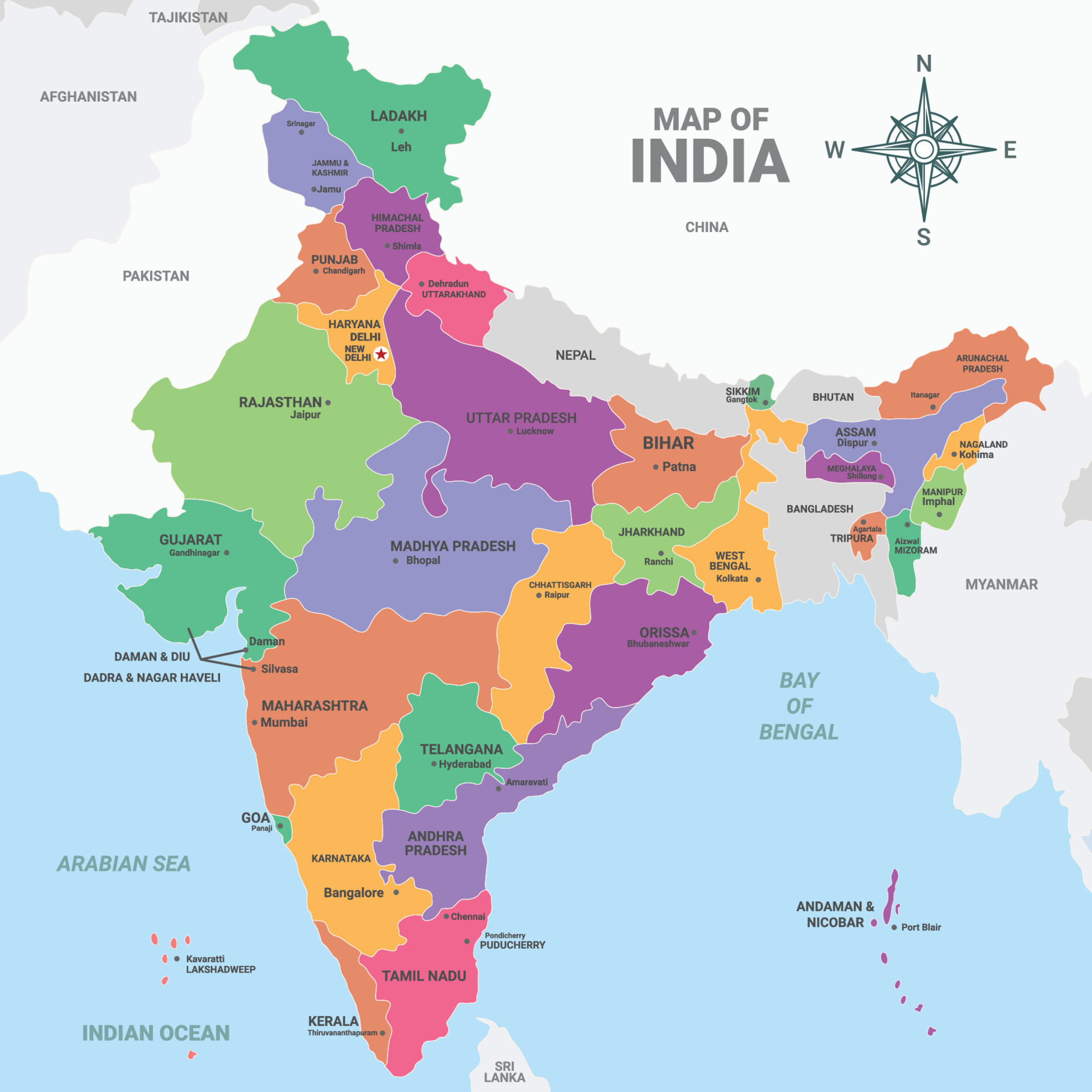
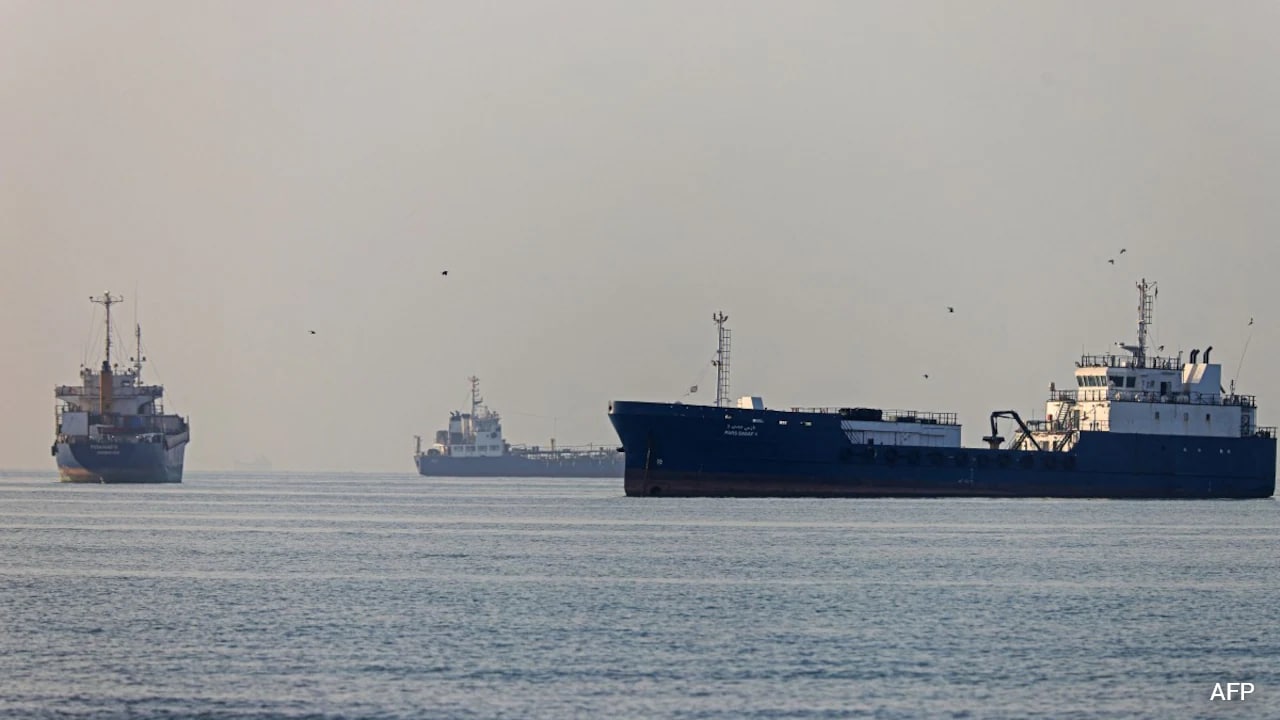
The illusion of stability shattered over a chaotic 24-hour period. Three commercial tankers transiting the Strait of Hormuz came under direct attack. One of those vessels was an India-bound oil tanker that barely survived gunfire before limping toward its destination. Another suffered significant structural damage from a missile strike.
The US blamed the Islamic Revolutionary Guard Corps for the coordinated offensive. According to intelligence reports, Iran fired at least two missiles at commercial ships during the spree.
Why did Iran sabotage its own economic lifeline? The timing tells the story. The attacks coincided with intense domestic mourning and commemorations for former Supreme Leader Ayatollah Ali Khamenei, who was killed earlier in the conflict.
Iran had also begun rewriting the rules of the strait. Tehran issued a chilling warning that ships were only safe if they used a specific route hugging the Iranian coast. They explicitly rejected the US-coordinated southern route near Oman. When commercial vessels refused to play along, the missiles flew.
The Shift from License X to License X1
The White House response was swift and calculated. The Office of Foreign Assets Control didn't just tweak the rules. They completely replaced the legal architecture.
General License X is dead. In its place sits General License X1.
If you are running a maritime logistics firm or a commodities trading desk, you need to understand the brutal mechanics of this new rule. It is a total lockdown disguised as a wind-down.
- Immediate Ban on New Sales: No new purchases, loadings, or contracts for Iranian crude or petrochemicals are allowed after July 7.
- The 10-Day Grace Period: The Treasury gave companies until July 17 to finish transactions that were already actively in motion under the old license.
- The Financial Trap: Any revenue generated from those legacy sales during the grace period cannot go to Tehran. The cash must be deposited directly into blocked, interest-bearing US bank accounts.
Iran gets hit twice. They lose all future sales, and they cannot even touch the cash from the oil currently sitting on ships in transit.
Naturally, Tehran is furious. Deputy Foreign Minister Kazem Gharibabadi took to social media to blast the move, calling it a blatant violation of the June memorandum. Mohsen Rezaei, an advisor to the new supreme leader Mojtaba Khamenei, announced on state television that Washington had intentionally led the entire negotiation process to failure.
Oil Markets React Instantly
Wall Street doesn't care about diplomatic finger-pointing. It cares about supply. About a fifth of the world's petroleum and liquefied natural gas passes through this narrow choke point.
The moment the news hit the tickers, energy markets went vertical. Brent crude surged past $74 a barrel on Tuesday, settling three percent higher before exploding an additional six percent in after-hours trading. It quickly touched a two-week high of $76.36.
This price spike isn't just speculation. It reflects real physical panic. In Pakistan, officials involved in gas procurement are scrambling. They rely heavily on LNG shipments from Qatar, which must transit the strait. Some vessels have already performed dramatic U-turns at sea to avoid the danger area. Others are reluctantly shifting their routes away from American air cover near Oman, steering directly into Iranian-patrolled waters just to avoid being targeted.
Insurance premiums for transit through the Gulf are skyrocketing again. That cost gets passed directly to consumers.
Military Force Complements Economic Warfare
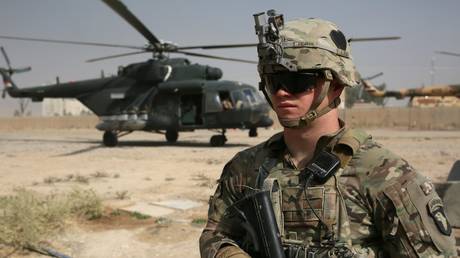
If you think this is just a trade dispute, look at the sky. Alongside the Treasury announcement, US Central Command ordered powerful military strikes against Iranian targets inside the region.
CENTCOM made its objectives clear. The strikes were designed to impose heavy, immediate costs for targeting civilian commercial crews. The Pentagon is signaling that the era of relying solely on economic sanctions to deter kinetic maritime attacks is over.
This creates a highly volatile feedback loop. The US launches airstrikes, Iran threatens to close the strait entirely, oil prices climb higher, and shipping companies refuse to send vessels into the Gulf without military escorts.
What to Do Next
The diplomatic runway has run out. If you are tracking this situation for business, investing, or national security reasons, you have to stop looking at old models.
First, watch the July 17 deadline. Any tanker currently hauling Iranian crude under the old agreement will face immense legal pressure to clear port and settle accounts before that date. Expect a flurry of frantic shipping maneuvers over the coming days.
Second, monitor the shift in shipping routes. The Joint Maritime Information Center officially raised its threat assessment for the Strait of Hormuz from substantial to severe. If major shipping conglomerates decide the Omani route is too dangerous despite US air cover, global supply lines will constrict dramatically.
Do not expect a quick return to the negotiating table. With US forces actively striking regional targets and Iran mourning its past leadership, the political willpower for a compromise is completely gone. Prepare for sustained energy volatility and higher prices at the pump for the foreseeable future.