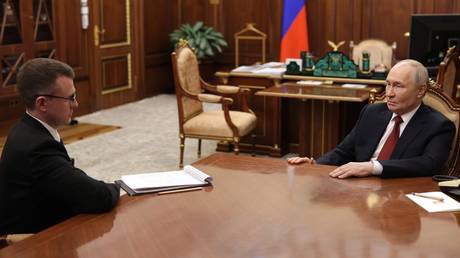
Vladimir Putin wants everyone to believe the Russian advance is completely unstoppable. Speaking to state television reporters after another massive wave of Ukrainian drone strikes hit a critical southern Russian oil refinery, the Russian president put on a brave face. He claimed that deep strikes on domestic infrastructure have absolutely zero impact on the frontline. According to him, Kyiv is running out of options, retreating across the entire line of contact, and attempting to force a ceasefire on terms advantageous to the West.
But if you look past the stage-managed television appearances, a much different picture emerges. Honestly, the bravado hides a massive vulnerability that Moscow is scrambling to fix.
For the first time, Putin admitted that Russia is facing what he called a temporary deficit of fuel. This isn't just a minor issue. Months of relentless Ukrainian intermediate and long-range drone strikes have hammered Russian energy infrastructure. They have choked domestic fuel supplies, caused lines at gas stations, and forced regional authorities to implement strict fuel rationing.
You don't talk about importing fuel and ordering your arms industries to panic-build air defense systems if everything is going according to plan.
The Reality Behind the Frontline Numbers
Putin told the public that the Russian advance will keep pushing forward no matter what. The state media echo chamber constantly repeats this narrative. They present the battlefield as a steady, inevitable march westward.
The hard numbers tell a wildly different story.
Data from independent military analysts, including the Institute for the Study of War (ISW) and open-source intelligence groups like DeepState, show that the Russian advance has slowed down to a grueling, incremental crawl. Between late May and late June 2026, Russian forces managed a net gain of just 12 square miles of Ukrainian territory. To put that in perspective, that is about half the size of Manhattan. In some sections of the front, Russian forces actually suffered a net territory loss due to highly localized Ukrainian counterattacks.
Recent Battlefield Gains/Losses (Late May – Late June 2026)
------------------------------------------------------------
Russian Net Territorial Gain: ~12 square miles
Pre-war Ukraine Territory Controlled by Russia: ~19%
Main Frontline Focus: Kostyantynivka, Donbas region
Moscow currently holds roughly 19% of Ukraine, an area comparable to the state of Pennsylvania. Most of this was seized early in the 2022 invasion or during the initial 2014 conflict. The idea that Ukrainian drone strikes aren't affecting the front is completely detached from the reality of military logistics. If you blow up the refineries producing the diesel, the tanks on the frontline eventually stop moving.
Propaganda and the Rise of Faked Success
Because real progress on the ground is so slow, the Russian Ministry of Defense has resorted to aggressive cognitive warfare. Military analysts have caught the Kremlin using artificial intelligence to alter and fabricate battlefield footage.
They regularly post videos of flag-raising ceremonies in villages that are actually highly contested "gray zones." In one recent incident in Hulyaipilske, a lone Russian soldier ran into an area to wave a flag for a propaganda photo op. Ukrainian forces targeted him immediately after. The video was edited anyway to show a supposed capture of the area.
They are using these high-tech fabrications to saturate the information space. The goal is simple. They want to make Western allies believe Ukraine is on the verge of total collapse so they stop sending weapons.
The Oil Infrastructure Crisis Is Real
During his recent address, Putin claimed that all damaged energy facilities are being restored quite quickly and that the issues aren't critical. He even made a specific promise to solve the immediate fuel shortages plaguing Crimea by increasing land and sea deliveries.
But you can't fix a complex, multi-million-dollar distillation column overnight. Western sanctions have cut Russia off from specialized refinery components. Replacing this equipment takes months, sometimes years.
Ukraine's 40-day intermediate- and long-range strike campaign has systematically targeted these facilities because they are the economic and logistical engine of the Russian war machine. Just look at the timeline of events leading up to Putin's latest public defense.
How the Energy Conflict Escalated
The current crisis didn't happen in a vacuum. It is the result of a deliberate shift in Ukrainian military strategy to hit Russia where it hurts most.
What This Means for Negotiations
Putin continues to demand complete Ukrainian capitulation before any formal peace talks can begin. He insists that any negotiations must be based on the old 2022 Istanbul Protocols, his June 2024 maximalist demands, and the alleged August 2025 Anchorage understandings with the United States.
Basically, he wants Ukraine to hand over the rest of Luhansk, Donetsk, Zaporizhia, and Kherson oblasts, give up its NATO aspirations, and severely shrink its own military.
Kyiv is using these deep drone strikes to rewrite that equation. By hitting the refineries, natural gas plants, and satellite communication centers, Ukraine is proving it can inflict severe economic and domestic pain inside Russia. They are showing that the cost of maintaining the Russian advance might eventually become too high for the Kremlin to sustain.
Practical Next Steps for Tracking the Conflict
If you want to understand what is actually happening in this war without getting blinded by Kremlin propaganda or Western wishful thinking, stop listening to political speeches. Focus on the logistics.
- Monitor regional fuel prices inside Russia: Watch for expanding fuel rationing in Russian border regions and Crimea. Localized gas lines tell you more about the success of drone strikes than official military press releases.
- Track open-source territorial data: Use verified OSINT mapping projects like DeepState or the daily updates from the Institute for the Study of War. Look at the actual net square mileage gained or lost, not just the names of small villages.
- Watch the air defense deployments: Look for reports of Russia moving air defense systems away from the frontlines to protect domestic refineries. If they are moving systems back to Moscow and southern oil hubs, it means the Ukrainian strikes are breaking through.